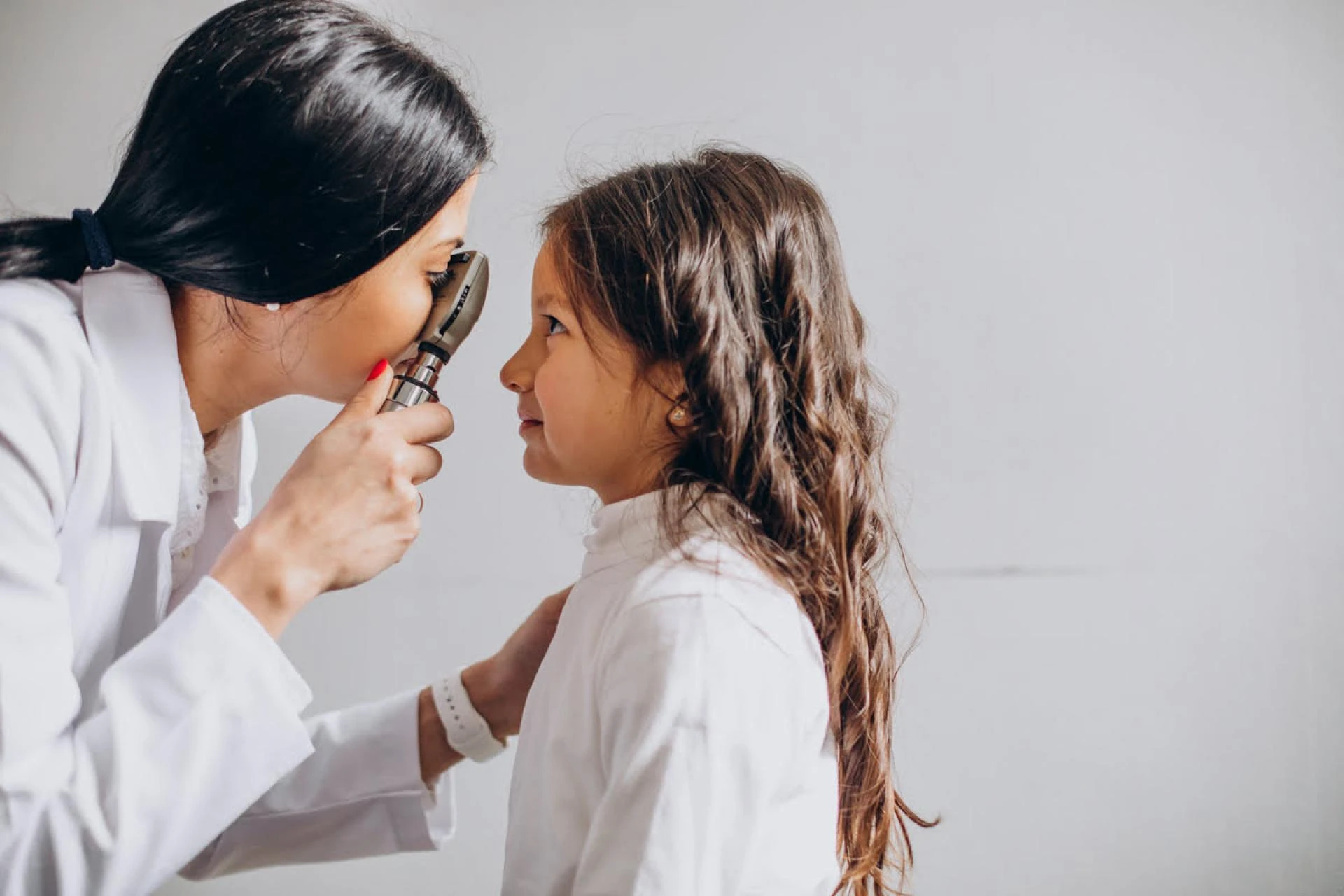
Myopia, commonly known as nearsightedness, is one of the most prevalent vision problems affecting both children and adults today. It occurs when the eye grows too long or the cornea is too curved, causing distant objects to appear blurry while near objects remain clear. Without proper care, myopia can interfere with daily activities like school, work, and driving. Fortunately, myopia treatment in Hamilton offers effective solutions for all ages. Whether you’re a parent concerned about your child’s vision or an adult seeking clearer eyesight, understanding your options is crucial.
What is Myopia?
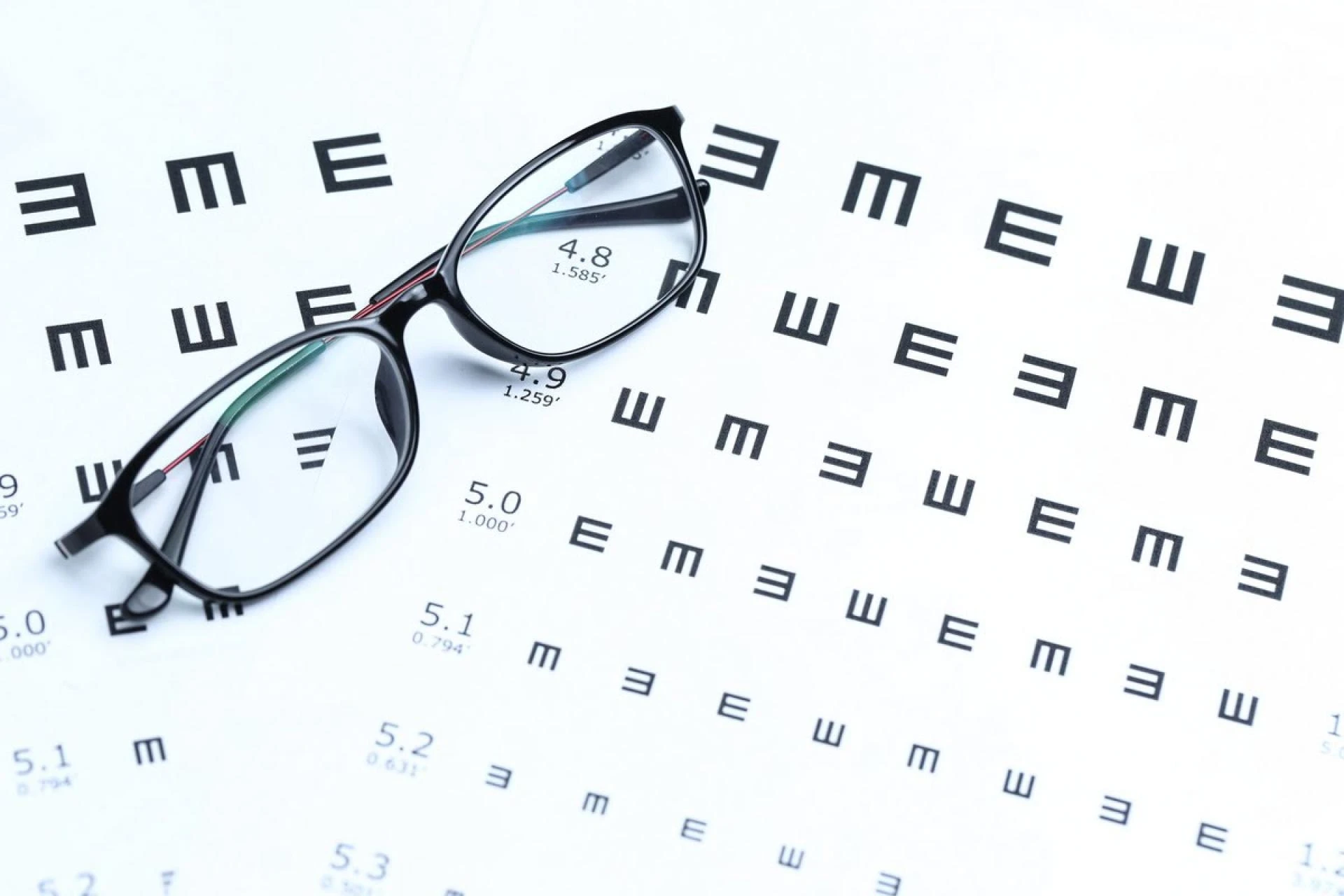
Myopia is a refractive error that prevents light from focusing correctly on the retina. It can result in blurred distance vision. Myopia can develop due to several factors, including genetics, environmental conditions, and lifestyle habits. Children with myopic parents are at a higher risk of developing the condition, and prolonged near work, such as reading or excessive screen time, can accelerate its progression.
Symptoms vary between age groups. In children, myopia often presents subtly, with signs like squinting, difficulty seeing the classroom board, or sitting too close to screens. Adults, on the other hand, may notice blurred distance vision, headaches, or increased eye strain. Understanding these differences helps families and individuals seek timely care.
How Myopia Affects Daily Life
Myopia impacts many aspects of life. For children, poor distance vision can interfere with learning and classroom participation. Adults may struggle with activities like driving, sports, or even attending meetings where clear vision is essential. If left uncorrected, myopia can worsen over time, potentially leading to complications such as retinal issues or glaucoma later in life. Seeking professional guidance from an eye doctor in Hamilton ensures proper management and reduces these long-term risks.
Importance of Early Detection
Early detection of myopia is crucial, particularly in children. Regular eye exams allow an eye doctor in Hamilton to monitor eye growth and detect vision changes before they become severe. Early intervention can slow myopia progression, improving quality of life and reducing the likelihood of needing more invasive treatments later.
For adults, early detection is equally important. Vision naturally changes with age, and identifying myopia early helps prevent eye strain, headaches, and other complications. Even if you do not notice significant symptoms, routine check-ups are a proactive way to maintain optimal eye health.
Common Signs of Myopia in Children
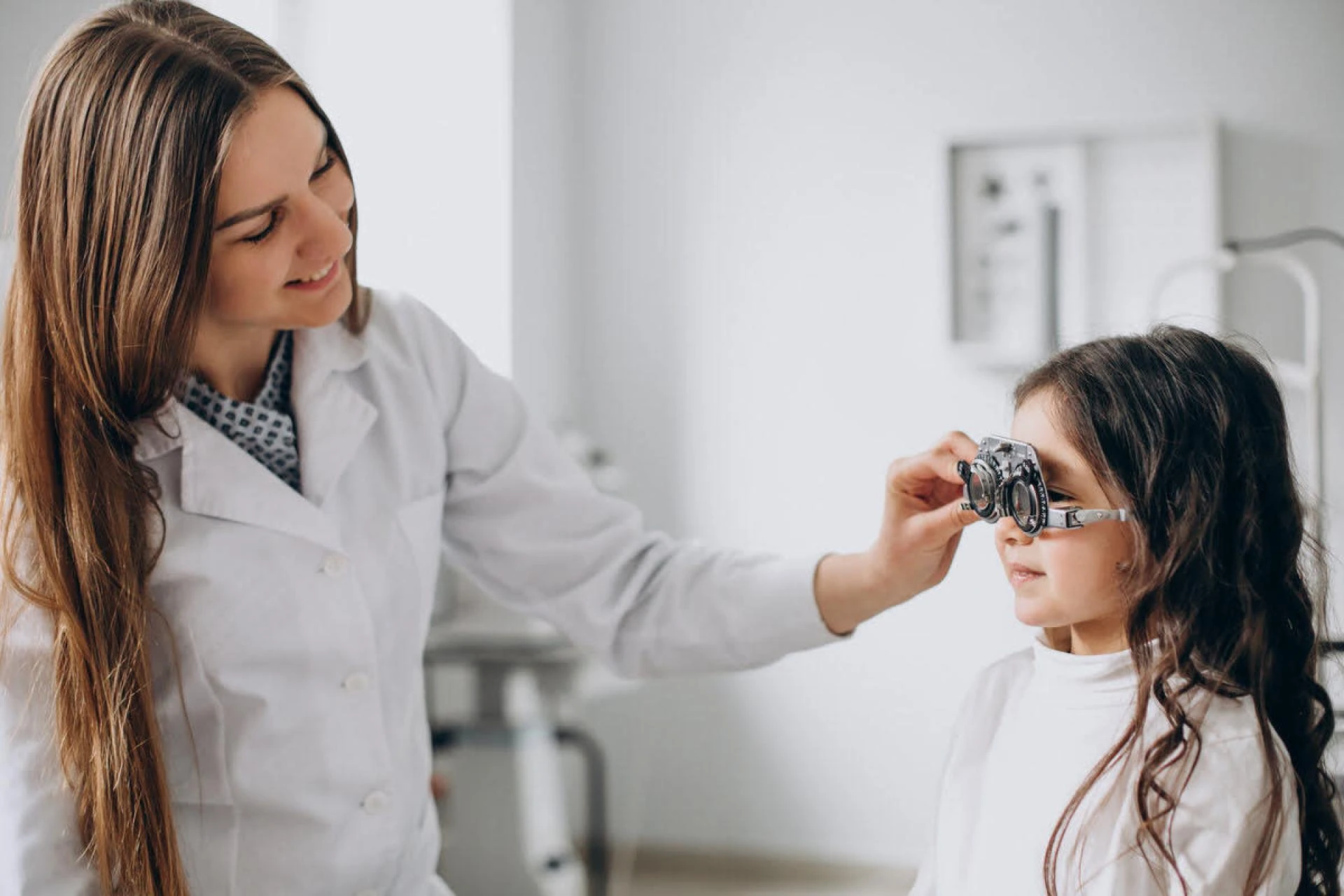
Children often cannot articulate their vision problems clearly, making it essential for parents to recognize early warning signs:
- Squinting or rubbing eyes frequently
- Difficulty reading or seeing the classroom board
- Sitting too close to screens, books, or television
- Complaints of headaches or eye fatigue after school
Noticing these behaviours early and consulting an eye doctor in Hamilton can prevent rapid progression and ensure children receive the most effective treatment.
Common Signs of Myopia in Adults
Adults may experience more obvious symptoms, including:
- Blurred distance vision, especially while driving
- Frequent headaches due to eye strain
- Difficulty seeing street signs or objects at a distance
- Increased reliance on glasses or contact lenses over time
Recognizing these signs early allows adults to explore effective myopia treatment in Hamilton, maintaining visual clarity and comfort in daily life.
Myopia Treatment Options in Hamilton
Hamilton offers a range of treatments for both children and adults, from non-surgical methods to lifestyle interventions and surgical procedures. Choosing the right option depends on age, lifestyle, and the degree of myopia.
Non-Surgical Treatments
Prescription Glasses
Glasses remain the most common and accessible solution for correcting myopia. They work by focusing light properly on the retina, providing clear distance vision. Modern lenses are lightweight, durable, and available in various styles for children and adults.
Contact Lenses
Contact lenses are a flexible alternative to glasses, offering clear vision without altering appearance. Options include soft lenses and specialty lenses like orthokeratology (Ortho-k), which temporarily reshape the cornea overnight to provide clear vision during the day. Ortho-k lenses are particularly beneficial for children, as they can help slow the progression of myopia.
Myopia Control Lenses for Children
These specially designed lenses aim to reduce the rate of myopia progression in growing children. Many families in Hamilton are turning to these lenses as part of a long-term vision management strategy.
Lifestyle and Behavioural Approaches
Non-medical interventions are also important for managing myopia:
- Screen Time Management: Limiting prolonged near work and taking regular breaks reduces eye strain.
- Outdoor Activities: Encouraging children to spend more time outside in natural light can slow myopia progression.
- Visual Hygiene Practices: Maintaining proper posture while reading, holding books at an appropriate distance.
Integrating these habits with professional care enhances the effectiveness of myopia treatment in Hamilton.
Surgical Options for Adults
For adults seeking a more permanent solution, surgical interventions such as LASIK and PRK are available. These procedures reshape the cornea to correct refractive errors, reducing or eliminating the need for glasses or contact lenses. An eye doctor in Hamilton can assess eligibility, explain the risks and benefits, and recommend the best surgical approach based on individual needs and lifestyle.
How to Choose the Right Myopia Treatment
Selecting the most suitable treatment involves several considerations:
- Age: Children benefit most from non-surgical options and myopia control strategies, while adults may explore surgical procedures.
- Lifestyle: Consider daily activities, screen usage, and sports participation when choosing corrective options.
- Severity of Myopia: Higher degrees of myopia may require specialized lenses or surgery for effective correction.
Consulting a trusted eye doctor in Hamilton ensures a personalized plan tailored to your or your child’s needs. Combining treatments, such as prescription lenses with lifestyle adjustments, often yields the best long-term results.
Long-Term Myopia Management
Managing myopia is not a one-time event; it requires ongoing care. Regular follow-ups with an eye doctor in Hamilton allow for monitoring eye growth, adjusting prescriptions, and updating treatment plans as needed.
For children, consistent monitoring is essential to slow myopia progression and prevent complications. Adults should maintain routine eye exams to detect any changes early and ensure vision remains stable. Combining corrective lenses, lifestyle interventions, and, when appropriate, surgical options offers the most comprehensive approach to maintaining clear vision and overall eye health.
When to See an Eye Doctor in Hamilton
It is important to schedule an appointment with an eye doctor in Hamilton if you or your child notices:
- Difficulty seeing distant objects clearly
- Frequent headaches or eye strain
- Squinting or rubbing eyes frequently
- Changes in vision that affect daily activities
Even if no noticeable symptoms exist, routine eye exams are essential. Timely intervention not only corrects vision but also protects long-term eye health.
Conclusion
Myopia can affect anyone, regardless of age, but effective myopia treatment in Hamilton is available for both children and adults. Early detection, personalized treatment plans, and long-term management are key to maintaining healthy eyesight.
Whether through prescription glasses, contact lenses, lifestyle changes, or surgical options, professional guidance from an experienced eye doctor in Hamilton ensures optimal results. If you or your child is experiencing blurry distance vision, now is the time to take action. With the right care, clearer vision and improved quality of life are well within reach.