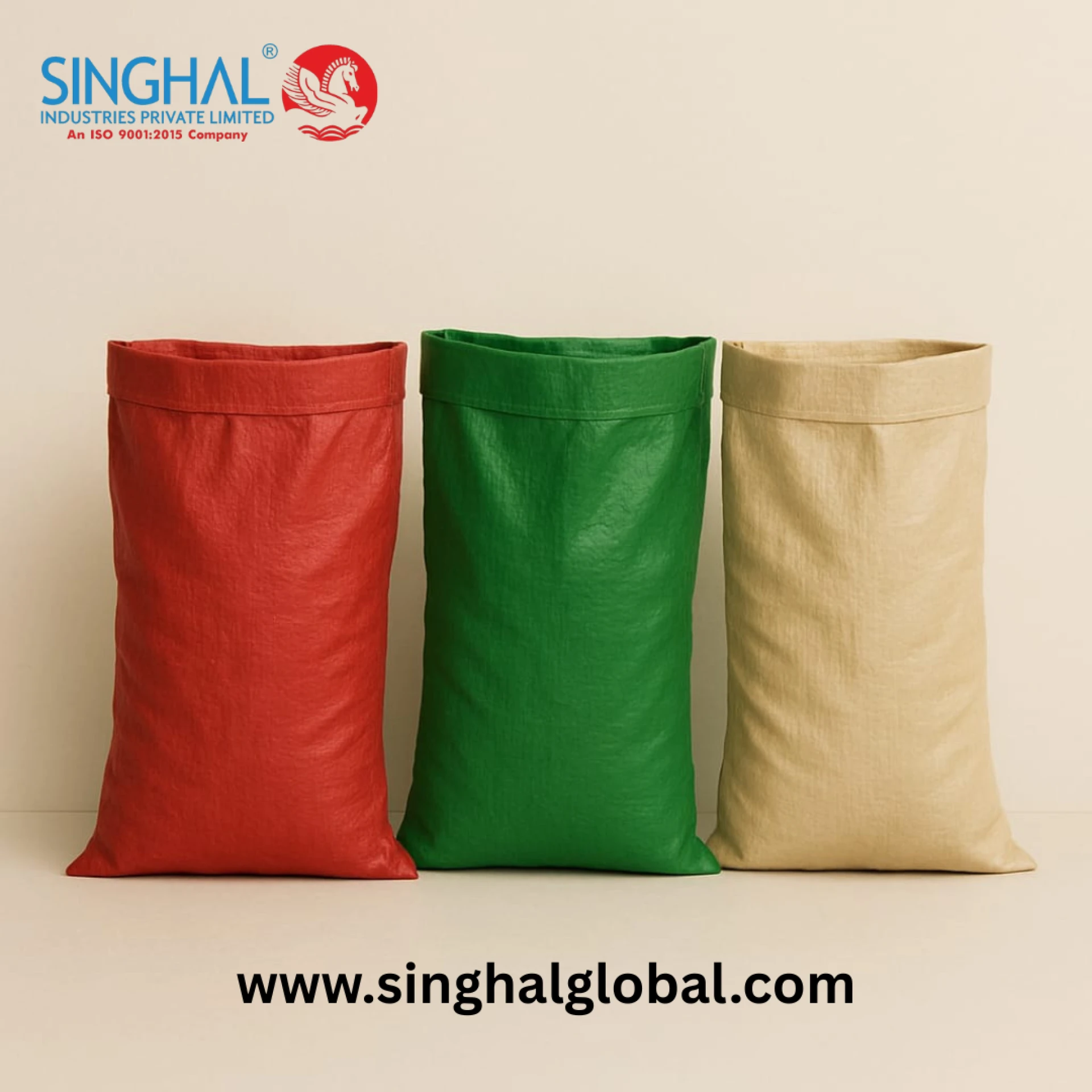
Polypropylene (PP) sacks are ubiquitous in business and industrial packaging due to their toughness, low cost, and environmental friendliness. Composed of fragments of polypropylene sewn together in a robust fabric, the sacks are used in many industries such as agriculture, food processing, construction, and retailing. Their popularity lies in attributes like excellent tensile strength, waterproofing (when laminated), and recyclability.
From grains transport to material storage, PP woven bags are the best. They exist in different forms—plain woven, laminated, or lined—and each is specifically designed to serve some needs.
Why are PP Woven Bags unique?
The weaving enhances the tear strength, making them suitable for rough handling during storage or shipping. Lightweight construction also reduces shipping cost, which gives a cost savings benefit for bulk packaging requirements.
Breathability of uncoated woven bags makes them most appropriate for packaging of fresh produce like potatoes, onions, and seeds, without moisture buildup. The laminated varieties are better, however, where proofing against moisture is needed.
Uses Across Industries
The functionality of PP woven bags has made them adoptable across different types of industries. They are also used for storing sand, cement, and aggregates by construction firms. The printed woven sacks are used by retail stores for branding where they can easily be printed with their names, product description, or offer designs.
Food processors utilize PP woven rice bags to pack and transport rice in bulk because they offer clean, long-lasting, and watertight packaging. Apart from ensuring the product remains in a good state during transit, the bags also qualify as food-safe when fabricated using food-grade material.
The price factor and durability of the pp woven rice bag have resulted in it being a highly preferred product with the grain traders, exporters, and retailers. It is well-liked due to the fact that it can bear weight without tearing apart, as well as the fact that companies are able to brand it easily by having it printed with customized designs.
Types of PP Woven Bags
There are numerous types of PP woven bags which have been manufactured for various purposes:
1. Unlaminated PP Woven Bags: Suitable for the use of air percolation.
2. Laminated PP Woven Bags: It has a coating that prevents moisture and dust entry.
3. Gusseted Bags: They contain additional room and have a box-like profile to offer better stacking.
4. BOPP Printed Bags: These are superior, high-graphic bags with better retail display.
Each bag type has certain advantages specific to its construction. Laminated PP woven bags, for example, are especially desired by the food and chemical industries due to their water- and contamination-resistant properties.
For companies that need high-strength moisture barriers, buying laminated pp woven bags from a reliable Laminated pp woven bag manufacturer ensures product protection and the consistency of quality. Laminated bags take advantage of the power of woven fabric and the covering strength of a coated finish, ensuring an added layer of confidence for manufacturers and exporters in shipping products abroad.
Advantages of PP Woven Bags
There are several advantages that render PP woven bags the best choice:
1. Great Strength: The polypropylene strands being interwoven give tensile strength higher than most competition.
2. Lightweight: Despite being strong, the bags themselves are light in weight, and hence efficient large-volume shipping becomes possible.
3. Reusability: The bags can be reused multiple times, which meets sustainability goals.
4. Personalization: PP woven bags may be printed with logos, handling instructions, or design patterns.
5. UV Resistance: Pre-addition of UV stabilizers on an optional basis can protect outdoor-exposed contents.
6. Cost-Effectiveness: PP woven bags are cost-effective since they have lower raw material and production costs.
These advantages make them a first choice among companies that need a mix of value and performance in packaging.
Sustainability and Environmental Impact
Sustainability is arguably the biggest buzzword when it comes to packaging today. PP woven bags contribute positively by delivering recyclability and extended use cycles. PP material can be recycled to produce plastic furniture, containers, and secondary packaging if managed responsibly.
In addition, because these bags decrease the consumption of secondary packaging materials, they contribute to low carbon footprints in warehousing and logistics.
Customers and businesses today seek more plastic alternatives that are capable of fulfilling both operational and environmental sensitivity needs. Consequently, Plastic pp bags manufacturers now invest in cleaner production facilities and post-consumer recycling facilities to cater to current environmental needs.
These manufacturers ensure the bags are of international standard quality with minimal wastage and offering customization for multiple uses.
Branding and Customization Opportunities
Another reason why PP woven bags are so popular is that they can be branded and marketed. Organizations can choose from a variety of customization options such as:
1. Color printing and images
2. Laminated glossy or matte finish
3. UV printing for extra strength
4. Embossed logos or QR codes
BOPP (Biaxially Oriented Polypropylene) lamination can also be utilized to maximize appearance and visibility of storage for retail use.
This provides small and medium-sized enterprises the convenience of creating branded packaging that suits their market personality without breaking the bank.
Global Market and Trends
The global demand for PP woven bags is increasing owing to increase in agriculture, food exports, and infrastructure development. The consumption is led by Asian-Pacific regions but is also being fueled by Africa, Europe, and North America because of increasing food security concerns and infrastructure development.
More and more businesses are searching for packaging that is cost-effective, eco-friendly, and sustainable, so the PP woven bag is currently trendy. New digital print technology and biodegradable additives are also leading the way to the future of the bags.
With greater emphasis on eco-friendly logistics, the future for PP woven bags is bright. Whether a regional grain exporter with minimal resources or huge multi-national grain exporter, they have products that meet all the criteria—strength, cost, sustainability, and marketing.
Conclusion
PP woven bags are the commodity answer to bulk packaging needs of most industries. They are strong, flexible, and eco-friendly, making them a staple in contemporary supply chains. From carrying rice, to holding construction materials, to advancing your retail branding with a step-up, there's a PP woven bag for that.
Both economically and functionally, they are worth more than most traditional packaging materials.
Whether you need a daily use pp woven rice bag or you are planning to purchase from a reliable laminated pp woven bag manufacturer, there is no doubt that PP woven packaging will be a pioneer in bulk packaging. For businesses on the lookout for affordable and environmentally friendly logistics, partnership with plastic pp bags manufacturers can be long-term in impact and effectiveness.
Frequently Asked Questions (FAQs)
Q.1. Are PP woven bags recyclable?
Yes, PP woven bags can be recycled. They must be washed clean and delivered to recycling centers for polypropylene-related products. The majority of recyclers turn them into furniture, pipes, or secondary packaging.
Q.2. Who is the largest manufacturer of PP Woven Bags?
Singhal Industries Pvt. Ltd. is highly reputed as being one of the largest manufacturers of PP Woven Bags in India. Its quality and innovation allow it to export across many countries and offer different types of woven packaging solutions tailored for agriculture, construction, and industry businesses.