
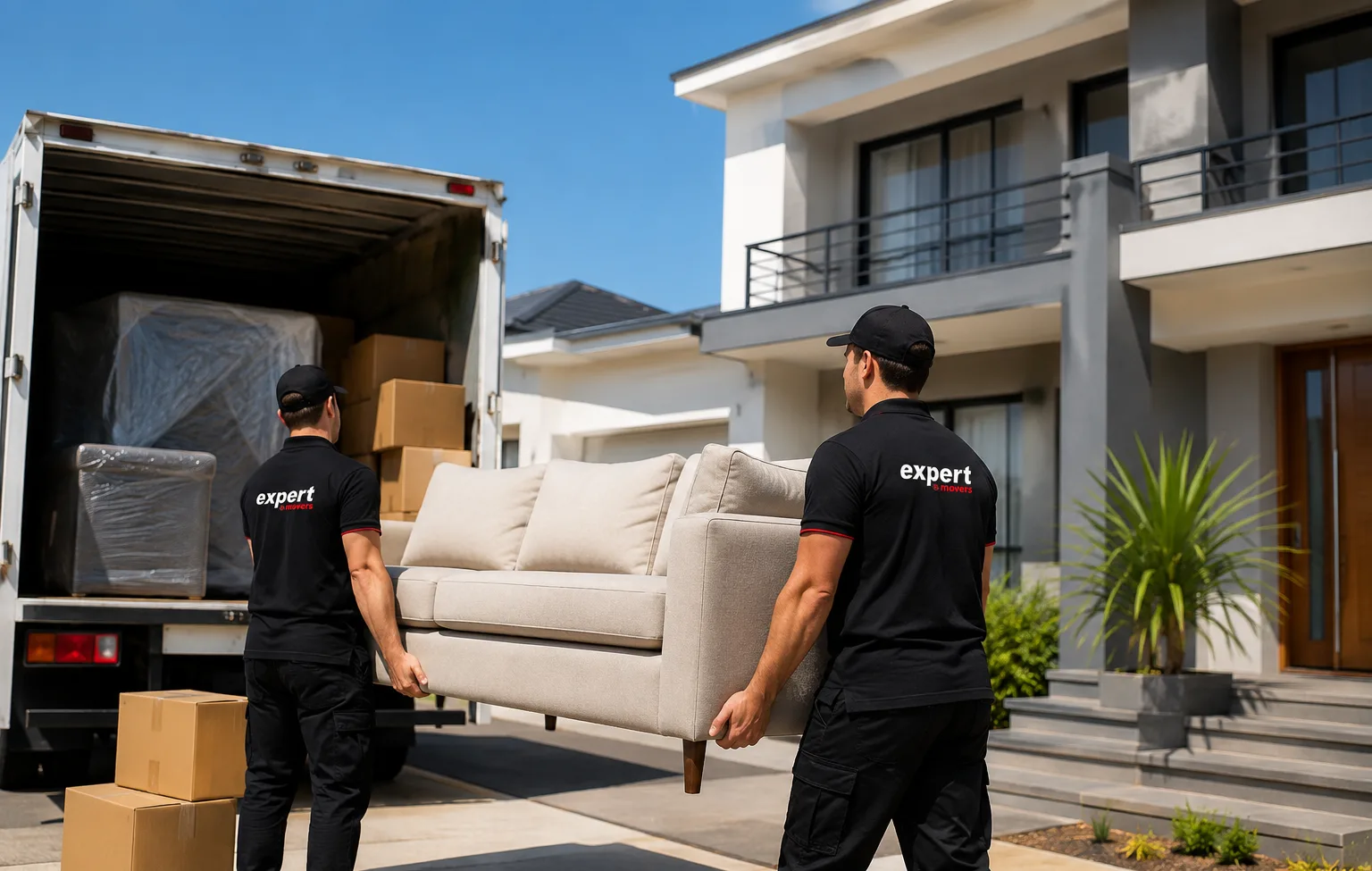
Moving to a new home can be an exciting experience, but it also comes with plenty of planning and preparation. If you are moving to Seddon, having a clear plan can make the process much easier. Professional Removalists Seddon can help you manage heavy furniture, protect fragile belongings, and make your relocation more organised from start to finish. With the right preparation, you can reduce last-minute stress and settle into your new home comfortably.
Start Planning Your Move Early
One of the easiest ways to make moving less stressful is to start planning well in advance. Avoid leaving everything until the final few days. Create a simple moving checklist and divide your tasks across several weeks.
Begin by deciding your preferred moving date, checking your new property's access arrangements, and organising transportation. If you plan to use professional movers, contact them early so you have a better chance of securing your preferred date.
A written plan also helps you keep track of important tasks such as packing, cleaning, changing your address, and arranging utilities.
Declutter Before Packing
Moving is a good opportunity to decide what you really need. Instead of packing every item in your home, go through your belongings room by room.
Separate things into four groups:
- Items you want to take
- Items you can donate
- Items you can sell
- Items that need to be discarded
Reducing the number of belongings you move can save packing materials, space, time, and effort. It can also make unpacking at your new home much easier.
Pay particular attention to old clothing, unused kitchen items, duplicate furniture, paperwork, and other belongings that have been sitting unused for a long time.
Pack Room by Room
Packing can quickly become confusing if items from different rooms are placed together. A room-by-room approach keeps everything organised.
Start with belongings that you do not use every day. Seasonal clothing, books, decorations, spare kitchenware, and similar items can usually be packed first.
Use strong boxes and avoid making them too heavy. Books, for example, should be packed in smaller boxes so they are easier to carry. Clothes and lighter household items can go into larger boxes.
Try to keep similar belongings together. This makes unpacking much quicker when you arrive at your new property.
Protect Fragile Belongings
Glassware, electronics, artwork, mirrors, and other delicate items require extra care during a move. Wrap fragile belongings individually using suitable protective materials.
Use bubble wrap, packing paper, towels, or other soft materials to provide cushioning. Place heavier items at the bottom of boxes and lighter items on top.
Do not overfill boxes containing fragile items. A little extra space filled with suitable padding can provide better protection during transportation.
Clearly mark boxes containing delicate belongings so they can receive additional care during loading and unloading.
Prepare Furniture for Transportation
Large furniture can be difficult to move through doorways, hallways, and staircases. Where possible, disassemble suitable furniture before moving day.
Beds, tables, shelving units, and some cabinets may be easier to transport when separated into smaller parts. Keep screws, bolts, and other fittings in labelled bags so you can easily find them later.
For valuable or delicate furniture, consider using protective blankets or specialised wrapping to reduce the risk of scratches and surface damage.
If a large item cannot be safely disassembled, professional movers can help determine the safest way to handle it.
Check Access at Your New Home
Before moving day, check how easily the moving vehicle can access your new property. Narrow streets, restricted parking, stairs, elevators, gates, and tight entrances can affect the moving process.
If your new home is in an apartment building, check whether there are any building rules regarding moving times or elevator use. Some buildings may require residents to reserve a lift for larger deliveries.
Knowing these details beforehand can help prevent delays on moving day.
Keep an Essentials Box
One of the most useful moving tips is to prepare a box or bag containing the things you will need immediately after arriving.
Your essentials could include:
- Toiletries
- Phone chargers
- Basic kitchen items
- Drinking water
- Medicines
- Important documents
- Change of clothes
- Towels
- Basic cleaning supplies
Keep this box separate from your other belongings and make sure it is easy to access. You do not want to search through several packed boxes just to find a phone charger or toothbrush.
Label Every Box Clearly
Labelling boxes may seem like a small task, but it can make a major difference during unpacking. Write the room name and a short description of the contents on each box.
For example, a box could be labelled “Kitchen – Plates & Bowls” or “Bedroom – Winter Clothes.”
You can also use simple numbering to keep track of your boxes. If you are moving many belongings, creating a basic inventory can help you identify anything that may be missing.
Choose Professional Moving Support
While some smaller moves can be handled independently, larger household relocations may require professional assistance. Experienced movers have the equipment and knowledge needed to handle heavy furniture and awkward items more safely.
Professional assistance can also save time and reduce the physical effort involved in loading, transporting, and unloading your belongings.
When selecting a moving company, look for clear communication, suitable moving equipment, experienced staff, and transparent service information. It is also useful to discuss your requirements before moving day so there are no misunderstandings about the work involved.
Prepare for Moving Day
The day before the move, complete as many tasks as possible. Finish most of your packing, charge your phone, keep important documents nearby, and make sure walkways are clear.
On moving day, keep children and pets away from busy loading areas where possible. This can make the process safer and give movers enough space to work.
Before leaving your old property, check cupboards, wardrobes, drawers, storage areas, garages, and outdoor spaces. It is surprisingly easy to leave small belongings behind.
Once you reach your new home, check the condition of your belongings before unpacking everything. Place boxes in their correct rooms to avoid unnecessary movement later.
Make Unpacking Easier
You do not need to unpack the entire house on the first day. Start with the essentials and focus on making the home comfortable.
Set up your bedroom, bathroom, and basic kitchen items first. After that, work through the remaining boxes one room at a time.
Taking a gradual approach can make the process feel much more manageable. As each room becomes organised, you will quickly start feeling settled in your new surroundings.
Conclusion
Moving to Seddon can be a positive new beginning when you take the time to prepare properly. Starting early, removing unwanted belongings, packing carefully, protecting furniture, checking property access, and labelling boxes can make your relocation much more organised. For larger or more demanding moves, professional moving support can also reduce physical effort and help protect your belongings throughout the process.
With a practical plan and the right support, you can avoid many common moving-day problems and enjoy a smoother transition into your new Seddon home.