Moving to a New Home in Fremantle can be exciting, but the actual moving process can feel like a lot. There are boxes to pack, furniture to move, addresses to update, and countless small things to remember. The good news is that you do not have to handle everything at the last minute. With some planning and the right approach, you can make your move much easier and less stressful.
Give Yourself Enough Time to Prepare
One of the biggest reasons moving becomes stressful is leaving everything until the last few days. When you are trying to pack an entire house in a short time, even simple tasks can feel overwhelming.
Start preparing a few weeks before moving day if possible. You do not need to pack the whole house at once. Instead, spend some time each day working on one small task.
For example, you could spend one day sorting a closet and another day packing books or decorations. This keeps the workload manageable and gives you time to deal with anything unexpected.
A simple moving plan can include:
- Choosing your moving date
- Booking removalists early
- Sorting belongings
- Buying packing supplies
- Packing less-used items first
- Arranging utilities at your new home
- Updating your address
- Preparing for moving day
- Planning how you will unpack
The earlier you start, the less likely you are to spend the night before your move surrounded by half-packed boxes.
Get Rid of Things You No Longer Need
Moving is a good time to look honestly at what you own.
It is easy to keep things simply because you have had them for years. But if you have not used something in a long time, ask yourself whether you really want to carry it into your new home.
Go through your belongings room by room. Make separate piles for things you want to keep, donate, sell, or throw away.
Start with areas that often collect unused items, such as:
- Garage
- Storage cupboards
- Spare rooms
- Attic areas
- Closets
- Kitchen cabinets
There is no point spending time and money packing something you are unlikely to use again.
Decluttering before the move also means fewer boxes, less work, and a much easier unpacking process when you arrive.
Pack One Room at a Time
Packing can quickly become confusing when belongings from different rooms end up in the same boxes.
Instead, try to finish one room before moving on to another. Start with things you do not use every day, such as seasonal clothing, books, decorations, and extra kitchen items.
Make sure every box has a clear label. You do not need a complicated labeling system. Simply write the room name and a short description on the outside.
For example:
- Kitchen – Glasses and Plates
- Bedroom – Winter Clothes
- Living Room – Books
- Bathroom – Towels
This small step can save you a surprising amount of time later.
When the boxes arrive at your new home, you will know exactly where they belong instead of opening each one to figure it out.
Be Careful With Furniture
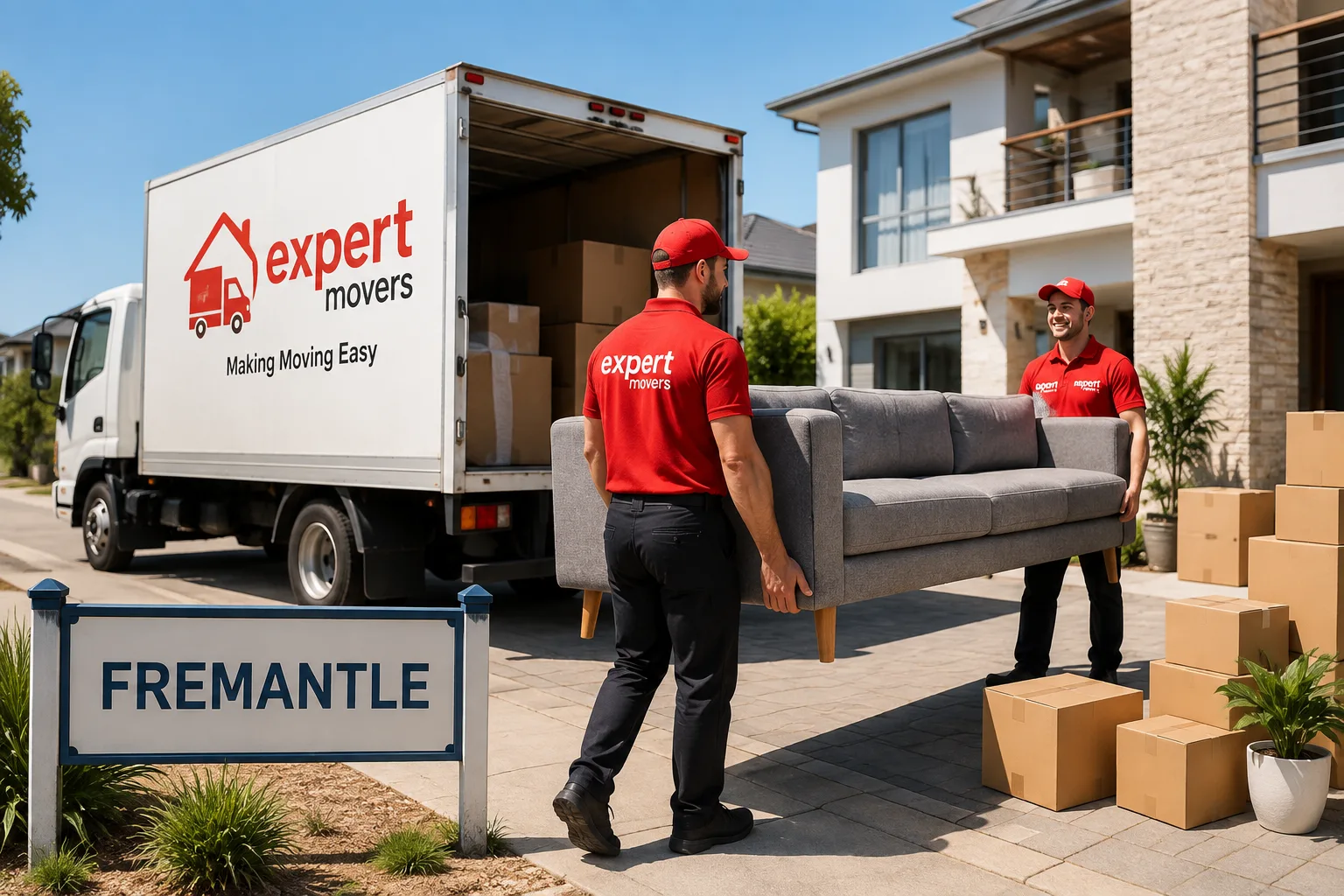
Furniture is often one of the hardest parts of moving. Large sofas, beds, wardrobes, tables, and cabinets can be heavy and difficult to carry through doorways.
Before moving large pieces, check the route from the room to the moving vehicle. Measure furniture and doorways if you are unsure whether something will fit.
You can also prepare furniture by:
- Emptying drawers and cabinets
- Removing detachable parts
- Taking apart larger pieces when appropriate
- Keeping screws and small parts in labeled bags
- Covering furniture to prevent scratches
- Protecting glass surfaces
- Securing doors and drawers
Do not wait until moving day to discover that a large wardrobe cannot get through the staircase.
A few measurements beforehand can prevent a lot of frustration.
Keep an Essentials Box With You
Imagine arriving at your new home after a long day of moving and realizing your toothbrush, phone charger, or clean clothes are buried inside one of twenty boxes.
An essentials box can prevent this problem.
Pack the things you are most likely to need during the first night separately. Keep the box somewhere easy to reach rather than loading it underneath other belongings.
You may want to include:
- Toiletries
- Phone chargers
- Basic medications
- Toilet paper
- Snacks
- Bottled water
- A change of clothes
- Towels
- Basic cleaning products
- Important documents
- Basic tools
If you have children or pets, pack their essentials separately as well.
Prepare Your New Home Before Moving Day
If you have access to your new home before the move, use that time wisely.
Cleaning an empty property is much easier than cleaning after furniture and boxes have arrived. If possible, clean the floors, bathrooms, kitchen surfaces, and storage areas beforehand.
It is also worth checking that your basic services are ready. Make sure electricity and water are available, and arrange internet installation if needed.
Think about where your larger furniture will go before the movers arrive. You do not need a perfect interior design plan. Just knowing where the main pieces belong can make unloading much smoother.
Decide Whether You Need Professional Moving Help
Not every move requires professional help. If you are moving a small number of belongings a short distance, you may be comfortable handling it yourself.
But larger household moves can be very different.
Heavy furniture, stairs, narrow entrances, fragile items, and long carrying distances can make moving physically demanding. Trying to handle everything yourself can also take much longer than expected.
Professional removalists can take care of the heavy lifting and transportation while you focus on other parts of the move.
When comparing moving companies, do not look at the price alone. Check what is actually included in the service.
Consider:
- Experience with residential moves
- Services included in the quote
- Moving equipment
- Furniture handling
- Fragile-item support
- Insurance or protection options
- Customer reviews
- Additional charges
- Availability on your preferred date
A slightly higher quote may offer better value if it includes services that another company charges extra for.
Talk to Your Movers Before the Move
Clear communication can make a big difference on moving day.
Tell your movers about anything that could make the move more difficult. This could include stairs, narrow hallways, limited parking, large furniture, fragile belongings, or difficult access to the property.
For example, one customer may need to move a large sofa through a narrow staircase, while another may have several heavy appliances. Giving the moving team this information ahead of time allows them to prepare properly.
Give Fragile Items Extra Attention
Not everything in your home can be packed in the same way.
Glassware, mirrors, electronics, artwork, and other fragile belongings need extra protection. Wrap individual items carefully and use enough cushioning to stop them from moving around inside the box.
Avoid putting too many heavy items into one box. A box that is difficult to lift can become a safety problem as well as a packing problem.
When packing fragile belongings:
- Wrap individual items properly.
- Add cushioning around them.
- Fill empty spaces inside the box.
- Avoid overpacking.
- Close the box securely.
- Label it clearly as fragile.
If something is especially valuable or sentimental, consider keeping it with you instead of placing it on the moving truck.
Remember the Small Administrative Tasks
Moving is not just about packing boxes.
There are several small tasks that are easy to forget because they do not seem urgent. Updating your address is one example.
Depending on your situation, you may need to update your details with:
- Banks
- Insurance providers
- Your employer
- Government services
- Schools
- Subscription services
- Delivery accounts
- Important personal contacts
Make Moving Day Easier for Children and Pets
Moving day can be confusing for children and stressful for pets.
There will probably be unfamiliar people coming in and out, doors opening frequently, and furniture being moved around. Keep pets somewhere secure where they cannot accidentally escape.
For children, keep a few familiar things nearby. Favorite toys, snacks, books, and a change of clothes can help them feel more comfortable.
You do not need to make the move perfect for everyone. Just try to keep a few familiar routines in place while everything else is changing.
Do Not Try to Unpack Everything in One Day
Once you reach your new home, it can be tempting to unpack every box immediately.
You do not have to.
Start with the rooms you need most. Getting the bedroom, bathroom, and basic kitchen set up will make the first night much more comfortable.
A practical order might be:
- Set up the bed and bedroom.
- Put away basic bathroom items.
- Set up essential kitchen supplies.
- Unpack everyday clothes.
- Arrange important electronics.
- Work through the remaining boxes over the next few days.
Give yourself permission to take your time. A few unopened boxes after moving day are not a sign that you did something wrong.
Common Moving Mistakes to Avoid
A few simple mistakes can make a move harder than it needs to be.
Packing Too Late
Leaving everything until the last minute can lead to rushed packing and damaged belongings.
Forgetting to Measure Furniture
A large item that fits perfectly in your old home may not fit through the entrance or staircase at your new property.
Using Unlabeled Boxes
You may remember what you packed today, but after several days and dozens of boxes, those details can become difficult to remember.
Choosing a Company Only Because It Is Cheap
Always check what the quote includes before making your decision.
Packing Everyday Items Too Early
Keep the things you use daily until closer to moving day.
Making Boxes Too Heavy
Heavy boxes are difficult to lift and can increase the risk of damage.
Make Your Fremantle Move More Manageable
Moving to a new home does not have to be a chaotic experience. The key is to break the process into smaller tasks instead of trying to do everything at once.
Start early. Get rid of things you do not need. Pack room by room and label your boxes clearly. Prepare an essentials box and make sure your new home is ready before the furniture arrives.
If your move involves large furniture, stairs, fragile belongings, or a tight schedule, a reliable Fremantle moving service can make the process much easier.
You can also use our moving checklist to keep track of important tasks before, during, and after the move.
Final Thoughts
Moving to a New Home in Fremantle is a big change, but it does not have to become an exhausting experience. A little preparation can make the difference between a rushed moving day and a well-organized one.
Give yourself enough time, pack carefully, protect your furniture, keep essential items close, and communicate clearly with your movers. Most importantly, do not put unnecessary pressure on yourself to have everything perfect on day one.
If you are preparing for a move, start your planning now and take it one step at a time. With the right preparation and support, your move to a new home in Fremantle can be much simpler—and you can focus on enjoying the fresh start waiting for you.