
Moisture management has become one of the most critical performance factors in modern sportswear. Athletes demand garments that keep them dry, regulate body temperature, and maintain comfort during intense physical activity. As a result, moisture-wicking standards are no longer optional—they are essential benchmarks in professional apparel production.
From team uniforms to high-performance gym apparel, manufacturers must follow strict textile engineering practices to meet the expectations of professional athletes and sports organizations. Today, many brands collaborate with experienced custom clothing manufacturers Pakistan to produce technically advanced garments that align with international performance standards.
This article explores how moisture-wicking works, the global standards involved, and why it matters in professional sportswear manufacturing.
What Is Moisture-Wicking?
Moisture-wicking refers to a fabric’s ability to pull sweat away from the skin and transport it to the outer surface of the garment, where it can evaporate quickly. Unlike traditional cotton fabrics that absorb moisture and remain wet, moisture-wicking textiles are engineered to:
- Move sweat efficiently
- Dry rapidly
- Maintain breathability
- Reduce odor buildup
- Improve thermal regulation
These properties are essential in professional sports, where performance and comfort are directly connected.
Why Moisture Management Matters in Professional Sports
Athletes push their bodies to the limit. Excess moisture trapped inside garments can lead to:
- Skin irritation
- Chafing
- Increased body temperature
- Reduced mobility
- Discomfort during prolonged activity
Professional teams working with sportswear wholesale suppliers prioritize fabrics that meet strict moisture-control requirements to ensure athletes perform at their peak.
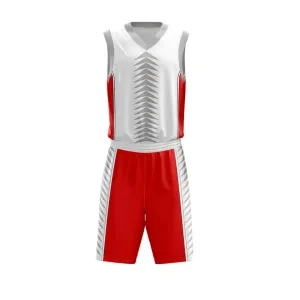
Moisture-wicking standards are especially important in high-intensity sports like football, cricket, basketball, and field hockey, where players experience continuous physical exertion.
How Moisture-Wicking Fabrics Work
Moisture management depends on advanced textile construction. The process typically involves:
1. Synthetic Fiber Engineering
Most moisture-wicking garments are made from polyester, nylon, or blended fabrics. These fibers are hydrophobic, meaning they repel water rather than absorb it.
Microfiber structures enhance capillary action, pulling sweat away from the skin.
2. Fabric Construction
Knitting patterns such as mesh panels improve airflow. Some fabrics include dual-layer construction:
- Inner layer: Pulls moisture from the skin
- Outer layer: Spreads moisture for faster evaporation
Professional gym wear manufacturers often use performance-knit fabrics specifically designed for high-sweat environments.
3. Chemical Treatments
Certain fabrics receive moisture-wicking finishes during production. These treatments enhance sweat dispersion and drying speed without compromising fabric softness.
Global Moisture-Wicking Testing Standards
Professional sportswear must meet recognized textile testing standards to ensure consistent performance.
Moisture Management Test (MMT)
This test measures how effectively fabric transports liquid moisture across its surface.
It evaluates:
- Absorption rate
- One-way transport capability
- Drying speed
- Overall moisture management capacity
Brands sourcing from experienced custom clothing manufacturers pakistan often request MMT test reports before approving bulk production.
Vertical Wicking Test
This method assesses how quickly moisture travels vertically through the fabric. Faster movement indicates better sweat distribution and evaporation.
Air Permeability Testing
Breathability is closely connected to moisture control. Air permeability tests determine how easily air flows through the fabric.
Professional athletes require garments that allow both moisture escape and airflow regulation.
Moisture-Wicking in Team Uniforms
Team sports demand highly durable and performance-driven apparel. Uniforms must withstand:
- Repeated washing
- Intense physical contact
- Harsh environmental conditions
For example, field hockey uniform manufacturers must design kits that manage sweat effectively during fast-paced matches played under varying weather conditions.
If moisture accumulates, it increases garment weight and reduces comfort.
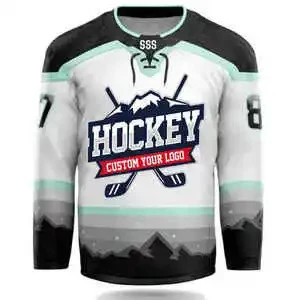
Therefore, professional uniforms incorporate moisture-wicking panels in high-sweat zones such as:
- Back panels
- Underarm areas
- Side inserts
This strategic design approach enhances both performance and durability.
The Role of Fabric Blends
While polyester dominates moisture-wicking sportswear, modern performance apparel often includes blended fabrics.
Polyester-Spandex Blends
These provide stretch while maintaining moisture control, ideal for compression garments and gym wear.
Polyester-Cotton Blends
Some street-inspired athletic collections combine cotton comfort with synthetic moisture management. Brands involved in wholesale streetwear Pakistan increasingly adopt hybrid fabrics to merge fashion with functionality.
Blended textiles offer versatility while maintaining essential moisture-wicking properties.
Durability and Wash Resistance
Moisture-wicking performance must remain intact after repeated washing. Professional sportswear undergoes rigorous laundering cycles, especially for team uniforms.
High-quality sportswear wholesale suppliers conduct wash tests to evaluate:
- Fabric shrinkage
- Moisture retention changes
- Print durability
- Seam integrity
Long-term performance ensures athletes continue benefiting from moisture management throughout the garment’s lifespan.
Design Integration and Ventilation Zones
Moisture-wicking standards extend beyond fabric choice. Garment construction also plays a major role.
Strategic Paneling
Manufacturers often place breathable mesh panels in high-heat areas.
Seam Positioning
Flatlock seams reduce chafing and enhance airflow.
Laser Cut Ventilation
Advanced techniques create micro-perforations for enhanced breathability without weakening fabric strength.
Leading gym wear manufacturers incorporate these features into training apparel designed for high-intensity workouts.
Moisture-Wicking and Temperature Regulation
Effective moisture management contributes to thermoregulation. When sweat evaporates efficiently, it cools the body naturally.
Professional athletes competing in hot climates require garments that:
- Prevent overheating
- Reduce sweat saturation
- Maintain lightweight feel
Manufacturers serving global markets, including custom clothing manufacturers pakistan, increasingly adopt advanced cooling technologies to meet these demands.
Sustainability in Moisture-Wicking Production
Sustainability is becoming a priority in sportswear manufacturing. Brands now look for eco-friendly moisture-wicking fabrics such as:
- Recycled polyester
- Low-impact dyeing processes
- Water-saving finishing treatments
Many sportswear wholesale suppliers are integrating recycled fibers into high-performance collections without compromising moisture-control efficiency.
This approach aligns with growing consumer demand for environmentally responsible athletic wear.
Quality Control in Professional Sportswear
Consistency is critical when producing moisture-wicking apparel at scale.
Quality control processes typically include:
- Fabric testing before cutting
- Inline moisture performance checks
- Post-production garment testing
- Random sampling inspections
Uniform manufacturers, including specialized field hockey uniform manufacturers, follow strict guidelines to ensure every garment meets performance expectations.
Small deviations in fabric composition or finishing treatments can significantly affect moisture-wicking efficiency, making strict oversight essential.
Common Challenges in Moisture-Wicking Apparel
Despite technological advancements, manufacturers face several challenges:
Over-Treatment
Excessive chemical finishing can reduce fabric softness or durability.
Poor Fabric Selection
Not all polyester fabrics perform equally. Low-grade materials may trap moisture rather than wick it.
Improper Construction
Even high-performance fabric can fail if garment construction restricts airflow.
Brands partnering with experienced gym wear manufacturers reduce these risks through structured development and testing phases.
The Future of Moisture-Wicking Technology
Innovation continues to shape professional sportswear. Emerging technologies include:
- Smart textiles with embedded cooling fibers
- Moisture-responsive ventilation fabrics
- Antimicrobial treatments combined with sweat control
The integration of data-driven textile engineering ensures that moisture-wicking standards continue evolving alongside athletic performance demands.
As competition intensifies in global markets, manufacturers involved in wholesale streetwear pakistan and performance apparel production are investing heavily in research and development to stay ahead.