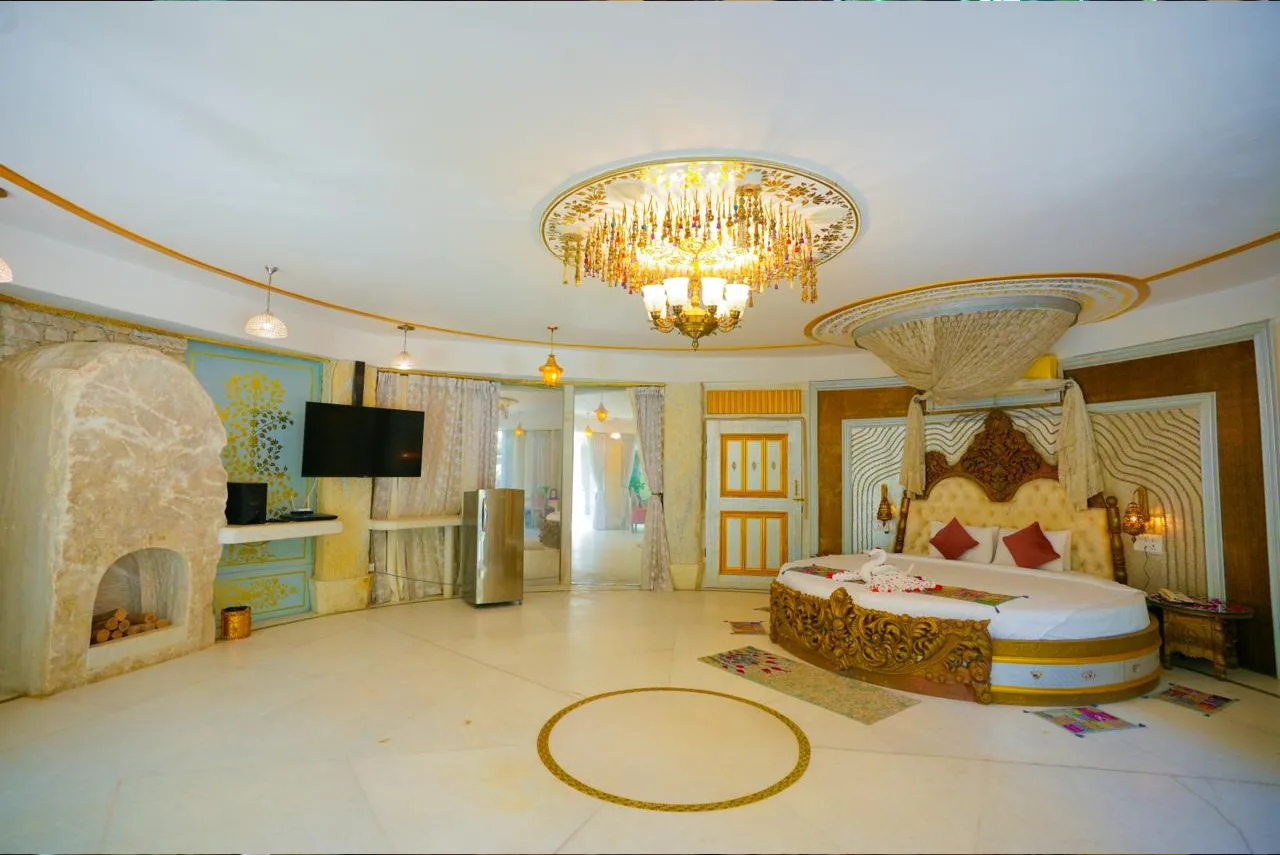
A destination wedding venue does more than accommodate ceremonies and guests. Its architecture establishes the visual language of the celebration before the décor team begins its work. It influences how guests feel when they arrive, how ceremonies are staged, how photographs appear and how naturally different wedding themes fit into the surroundings.
In Jaipur, couples generally encounter two broad architectural directions. Modern luxury properties offer refined interiors, contemporary layouts and spaces that can be extensively customised. Heritage and heritage-inspired properties use courtyards, domes, arches, traditional façades and regional design details to create a distinctly Rajasthani atmosphere.
The choice between them should not be based only on which venue looks more impressive in photographs. Couples must understand how the architecture will interact with their décor, ceremonies, guests and complete wedding programme.
How Architecture Establishes the Wedding’s Identity
A wedding venue is the largest visual element in every function. Floral installations, furniture and lighting can modify a space, but the architecture remains visible throughout the celebration. It therefore has a direct influence on whether the wedding feels contemporary, royal, traditional, intimate or theatrical.
Modern architecture usually provides clean surfaces, symmetrical layouts and neutral backgrounds. These spaces work like flexible canvases and can accommodate minimalist weddings, glamorous receptions, international themes and large entertainment productions.
Heritage architecture brings a stronger pre-existing identity. Traditional arches, textured walls, courtyards and carved details immediately connect the wedding with Rajasthan. Instead of creating the complete atmosphere through temporary decoration, the wedding design can respond to the venue’s permanent character.
Neither approach is universally better. The right choice depends on whether the couple wants to transform the venue or allow the venue itself to guide the celebration.
Understanding the Modern Luxury Wedding Style
Modern luxury wedding architecture generally prioritises comfort, scale and flexibility. Large halls, landscaped lawns, spacious entrances and professionally planned service routes can support elaborate production without placing excessive pressure on the property.
This style is especially useful for couples who want a different visual concept for every function. A pastel garden mehendi can be followed by a contemporary sangeet, a traditional wedding ceremony and a glamorous reception. Neutral architectural backgrounds allow designers to introduce new colours, structures and themes without competing with permanent decorative elements.
Modern venues may also be better prepared for large stages, LED walls, suspended installations, professional lighting and advanced sound systems. Their electrical capacity, ceiling height and vendor access should still be inspected, but purpose-built event spaces usually provide greater production freedom.
The possible disadvantage is that some modern properties may not feel noticeably connected to Jaipur. If the architecture resembles a luxury hotel that could exist in any city, additional décor and cultural programming may be needed to create a sense of destination.
Understanding the Royal Heritage Wedding Style
Heritage architecture gives a wedding an immediate cultural and emotional identity. It creates the feeling that the celebration belongs specifically to Jaipur rather than simply taking place there.
A traditional courtyard can provide an intimate setting for family rituals. A grand façade can become the background for the wedding ceremony, while arches, balconies and stone pathways can support bridal portraits and family photography. Regional materials and artistic details can also make simple décor appear richer.
The venue’s character can reduce the need to cover every surface with flowers or constructed panels. Carefully placed lighting, textiles and floral arrangements may be enough to enhance the existing architecture.
However, couples should distinguish between architectural beauty and operational readiness. Historic buildings may have uneven surfaces, narrow passages or restrictions on sound and decoration. A heritage-inspired resort may offer similar visual character with layouts designed for contemporary hospitality and events.
How Architecture Influences Wedding Décor
The relationship between venue architecture and décor is one of the most important creative considerations.
In modern spaces, decorators generally have more freedom to build a new visual environment. They can use extensive floral installations, fabric structures, mirrored stages, chandeliers and thematic entrances. This freedom is useful but can also increase the décor budget because the atmosphere must be created almost entirely for the event.
Heritage surroundings require a more responsive approach. Excessive construction can hide the very architecture for which the property was selected. Successful décor highlights columns, arches, courtyards and façades instead of competing with them.
Couples comparing Luxury wedding venues in Jaipur should therefore ask how much of the desired visual experience already exists within the property and how much must be temporarily constructed. This calculation affects both the final appearance and the complete wedding budget.
Creating a Distinct Setting for Every Function
A multi-day wedding should develop visually as guests move from one event to another. Repeating the same lawn, stage orientation and architectural background can make different ceremonies feel too similar.
Architecture can help create this progression. A garden or shaded courtyard may suit a daytime mehendi. An indoor venue with strong technical facilities can support a sangeet. A heritage façade may provide the ceremonial depth required for the wedding, while a large landscaped setting can accommodate the reception.
The property should offer more than multiple spaces on paper. Those venues should feel genuinely different and remain practical for the expected guest count. Couples should inspect entrances, stage positions, dining areas, service access and nearby guest facilities for each shortlisted location.
Photography and Visual Storytelling
Wedding photography is not only about finding one attractive façade. A two- or three-day celebration requires several backgrounds for couple portraits, family photographs, bridal preparation and individual functions.
Modern architecture provides polished interiors, clean lines, controlled lighting and contemporary backgrounds. It is well suited to editorial photography, formal portraits and glamorous evening events.
Heritage surroundings offer texture, depth and cultural context. Traditional doors, courtyards, stonework, gardens and royal façades can make photographs feel timeless. Natural variations in the architecture allow photographers to create several visual stories within one property.
Couples should visit the venue during both daylight and evening hours. A space that looks impressive in afternoon photographs may appear flat after sunset, while a simple heritage façade may become dramatic under architectural lighting.
Guest Movement Within the Architectural Layout
A wedding venue must work for people, not only cameras. The architectural layout determines how guests move between rooms, ceremonies, dining spaces and recreational areas.
Long walking routes may become difficult for elderly relatives, particularly during winter nights or warm afternoons. Uneven flooring and multiple staircases can create accessibility concerns. At the same time, a very compact property may struggle with crowd movement, vendor access and privacy between simultaneous functions.
A well-planned Destination wedding resort in Jaipur should balance visual character with convenient movement. Guest rooms, venues and essential facilities should be connected clearly, while service teams should have separate routes for food, décor equipment and technical operations.
During a site visit, families should walk the actual routes their guests will use rather than evaluating every venue separately.
Architecture and Weather Preparedness
Architecture also influences how effectively a property responds to weather changes. Covered corridors, shaded spaces and nearby indoor venues can protect guest movement during rain, heat or cold conditions.
Outdoor heritage settings may be central to the wedding vision, but couples should identify a realistic alternative for every weather-sensitive function. The backup venue should support the full guest count and essential production arrangements.
Modern indoor halls usually provide climate control and stronger technical infrastructure. Heritage-inspired indoor spaces can offer similar operational protection while preserving the wedding’s visual continuity. This is preferable to shifting guests from a royal outdoor ceremony into an unrelated conference-style room.
How Lohagarh Fort Resort Balances Both Styles
Lohagarh Fort Resort offers couples an environment where heritage-inspired architecture and modern resort hospitality can operate together. Its Rajasthani character creates a recognisable sense of destination, while its very large green campus supports accommodation, ceremonies and guest experiences within one property.
The resort provides 100+ luxurious rooms, suites and villas, allowing families to plan the stay and wedding functions within the same campus. Multiple venue possibilities help create different moods for the welcome gathering, daytime celebrations, evening entertainment and principal wedding ceremony.
The surrounding greenery and Aravalli setting also add a natural dimension to the architecture. Guests can move beyond enclosed event spaces and experience landscaped surroundings, recreational activities and informal family time between ceremonies.
For families evaluating a Top Resort in Jaipur, the important consideration is not only whether a property appears luxurious or traditional. It is whether its architecture, accommodation and event infrastructure can function together throughout a multi-day celebration.
Questions Couples Should Ask During a Venue Visit
Architecture should be inspected from both creative and operational perspectives. Couples should ask:
- Which architectural features will remain visible after the décor is installed?
- Are there restrictions on suspended installations, drilling or open flames?
- Can every function use a visually different setting?
- Are indoor alternatives available near the outdoor venues?
- Can elderly guests move comfortably between rooms and ceremonies?
- Are service routes separate from guest entrances?
- How does the property appear after sunset?
- Will other events use nearby spaces during the wedding?
- Can the electrical system support the proposed production?
- Does the architecture feel genuinely connected to Jaipur?
These questions help families move beyond promotional images and understand how the property will perform during the actual celebration.
Final Thoughts
Modern luxury and royal heritage represent different approaches to wedding architecture. Modern spaces provide flexibility, production freedom and contemporary refinement. Heritage environments offer cultural identity, visual depth and a stronger emotional connection with Jaipur.
The best choice depends on the couple’s preferred wedding style, but appearance should never be evaluated separately from comfort and functionality. Beautiful architecture loses its value if guests struggle to move around the property or if the event team cannot install the required production safely.
For many couples, the ideal venue is one that combines both qualities: heritage-inspired surroundings that make the wedding feel rooted in Rajasthan and modern facilities that allow every function to operate comfortably. When architecture supports rather than restricts the celebration, it becomes more than a background—it becomes an essential part of the wedding story.
Modern luxury architecture offers flexibility and production freedom, while royal heritage settings create cultural identity and timeless visual character. This guide explains how architecture influences décor, photography, guest movement, weather planning and venue selection, helping couples choose a Jaipur wedding setting that balances their preferred style with the practical requirements of a multi-day celebration.
Frequently Asked Questions
Does a heritage-style venue require less wedding décor?
A visually detailed heritage setting may require less structural decoration because its arches, façades and courtyards already establish an atmosphere. However, couples should not assume that the complete décor cost will always be lower. Lighting, technical access, furniture and restrictions on installations can affect the final budget.
Is modern architecture better for a large wedding production?
Modern venues are generally more flexible for large stages, professional lighting, LED screens and extensive sound arrangements. However, couples should still confirm electrical capacity, ceiling height, vendor access and setup timings. A venue’s contemporary appearance does not automatically guarantee sufficient technical infrastructure.
Can heritage architecture work with contemporary wedding décor?
Yes. Contemporary décor can create an interesting contrast with traditional architecture when it is designed carefully. The most successful approach usually preserves the venue’s strongest architectural features and introduces modern colours, floral forms, furniture or lighting without hiding the property’s original character.
Why should couples inspect a venue after sunset?
Most destination weddings include several evening functions. Architectural details that appear impressive during the day may disappear without suitable lighting. An evening inspection helps couples evaluate pathway safety, façade illumination, venue atmosphere, photography conditions and the effectiveness of outdoor spaces after dark.
How does Lohagarh Fort Resort combine heritage design with modern wedding requirements?
Lohagarh Fort Resort combines Rajasthani-inspired character with a large resort environment, 100+ luxurious accommodation options and multiple celebration spaces. This allows families to create a heritage-oriented wedding atmosphere while retaining the convenience, venue flexibility and guest facilities needed for a multi-day event.