Construction and industrial sites demand efficiency, safety, and environmental responsibility. Whether you're managing heavy vehicle traffic or operating pneumatic tools, having the right equipment is essential. Two key components that can dramatically improve your site operations are a wheel washer system and a hydraulic air compressor. These solutions not only boost productivity but also help meet safety and environmental compliance standards.
A wheel washer is a vital piece of equipment used to clean the tires of vehicles as they exit construction or excavation sites. Wheel washers prevent mud, dust, and other debris from being carried onto public roads, reducing the risk of accidents and fines for non-compliance. These systems are especially important for sites operating in muddy, dusty, or wet environments, where vehicle tires quickly accumulate debris.
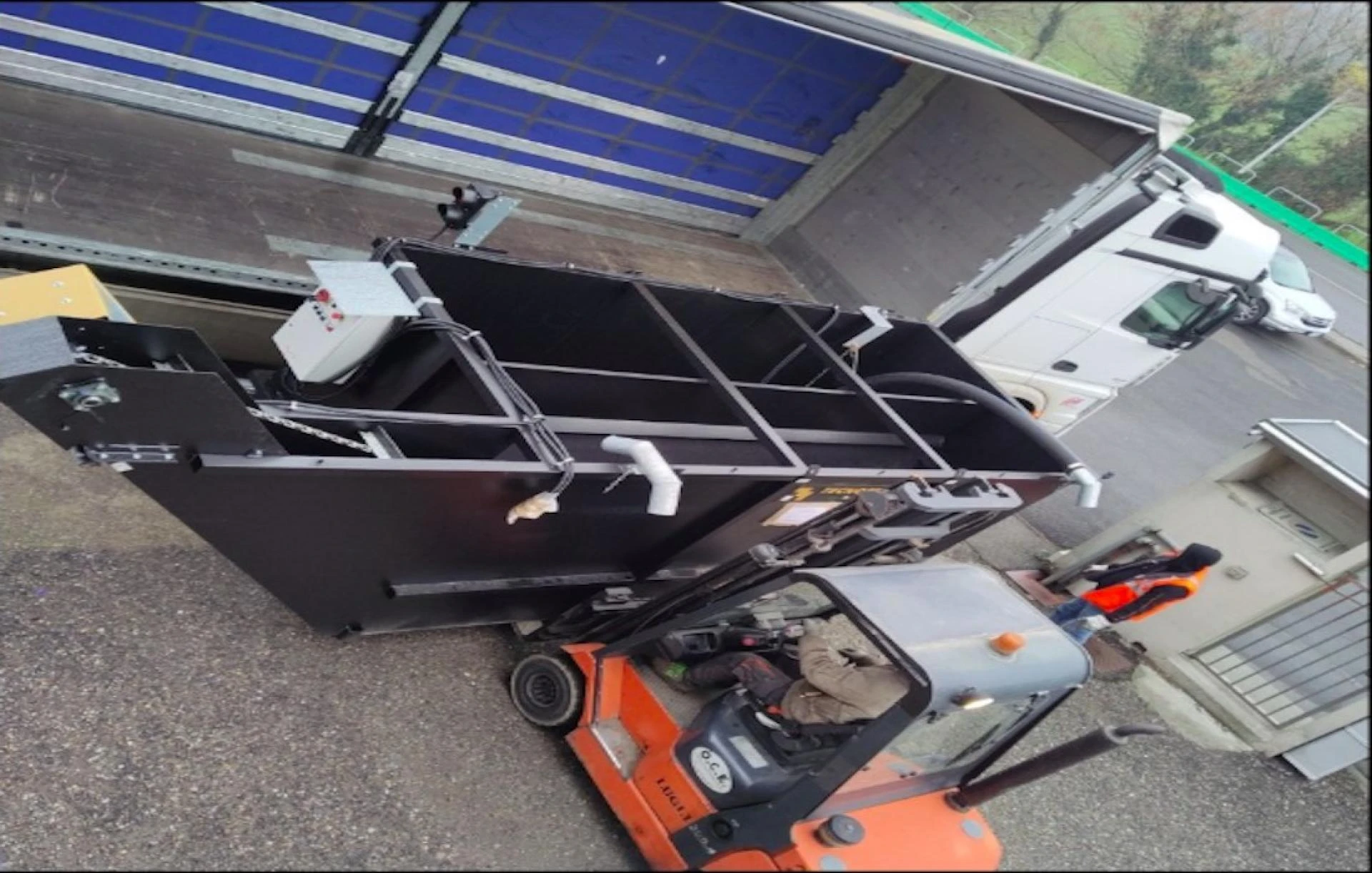
Modern wheel washing systems come in a range of configurations, including drive-through models, automated sprayers, and high-pressure jets. Some are even portable and modular, allowing them to be relocated as needed across changing worksites. Wheelwash technology uses carefully directed water jets and heavy-duty grates to remove even the most stubborn material from wheels and undercarriages, ensuring your vehicles are clean before hitting the road.
One of the key advantages of using a wheelwash system is its contribution to site cleanliness and regulatory compliance. Many regions now require wheel washing for environmental reasons, including minimizing dust pollution and maintaining clear public roadways. Additionally, a clean exit point improves the overall professionalism of your construction site, reassuring both clients and local authorities.
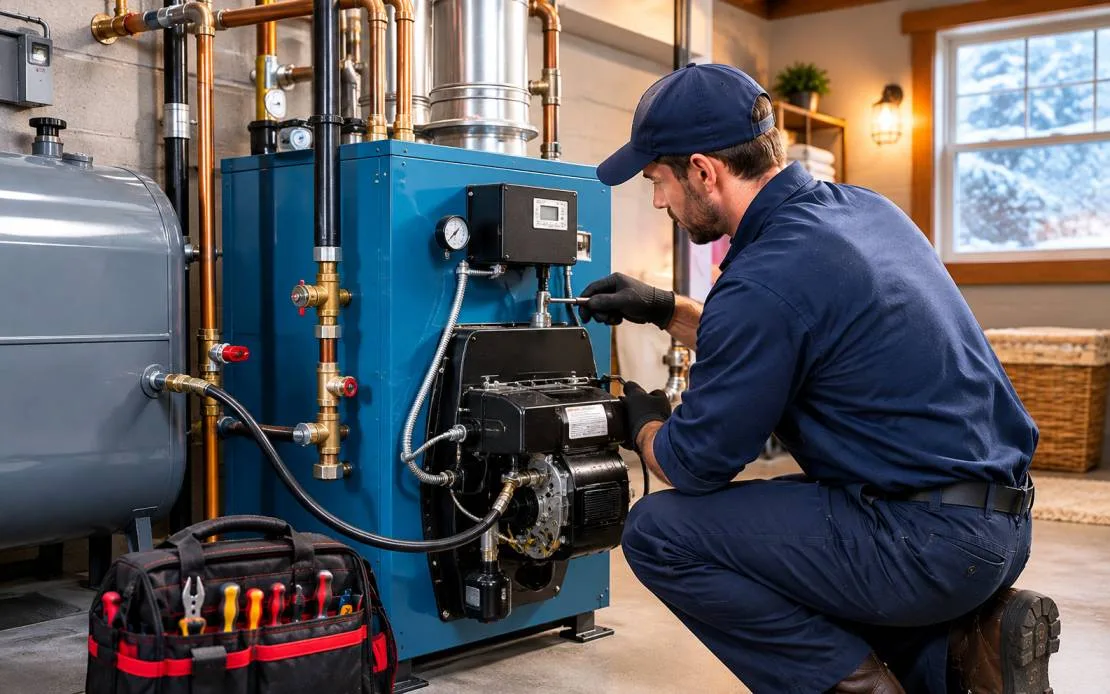
On the other hand, for operations that rely heavily on pneumatic tools or equipment, a hydraulic air compressor is an indispensable asset. Unlike traditional electric or diesel-powered compressors, hydraulic air compressors are powered by hydraulic systems, making them compact, energy-efficient, and highly reliable. They are often mounted on trucks or trailers, allowing for mobile air supply wherever needed.
Hydraulic air compressors are favored in industries such as construction, mining, agriculture, and road maintenance due to their versatility and low maintenance needs. They can power a wide range of tools—jackhammers, impact wrenches, air drills—with consistent pressure and performance, even in demanding conditions. Since they don’t require a separate engine, hydraulic air compressors are quieter and more efficient, especially for on-site use where space and fuel economy are important.
Combining both wheel washer systems and hydraulic air compressor into your operations offers a holistic approach to productivity and compliance. While wheel washers keep your site and surrounding roads clean and safe, hydraulic air compressors ensure that your tools are always running at peak performance. Both technologies are investments that pay off through improved efficiency, reduced downtime, and adherence to environmental standards.
Whether you're working on urban construction, infrastructure development, or heavy industrial projects, these tools help maintain a clean, safe, and professional working environment. With the increasing focus on sustainability and regulatory compliance, integrating advanced wheel washing and air compression solutions is not just smart—it’s essential.
In conclusion, modern worksites require smarter equipment. A reliable wheelwash system protects the environment and keeps operations tidy, while a hydraulic air compressor delivers dependable power to essential tools. Together, they enhance your site’s efficiency, safety, and reputation—giving your project the edge it needs to succeed.