
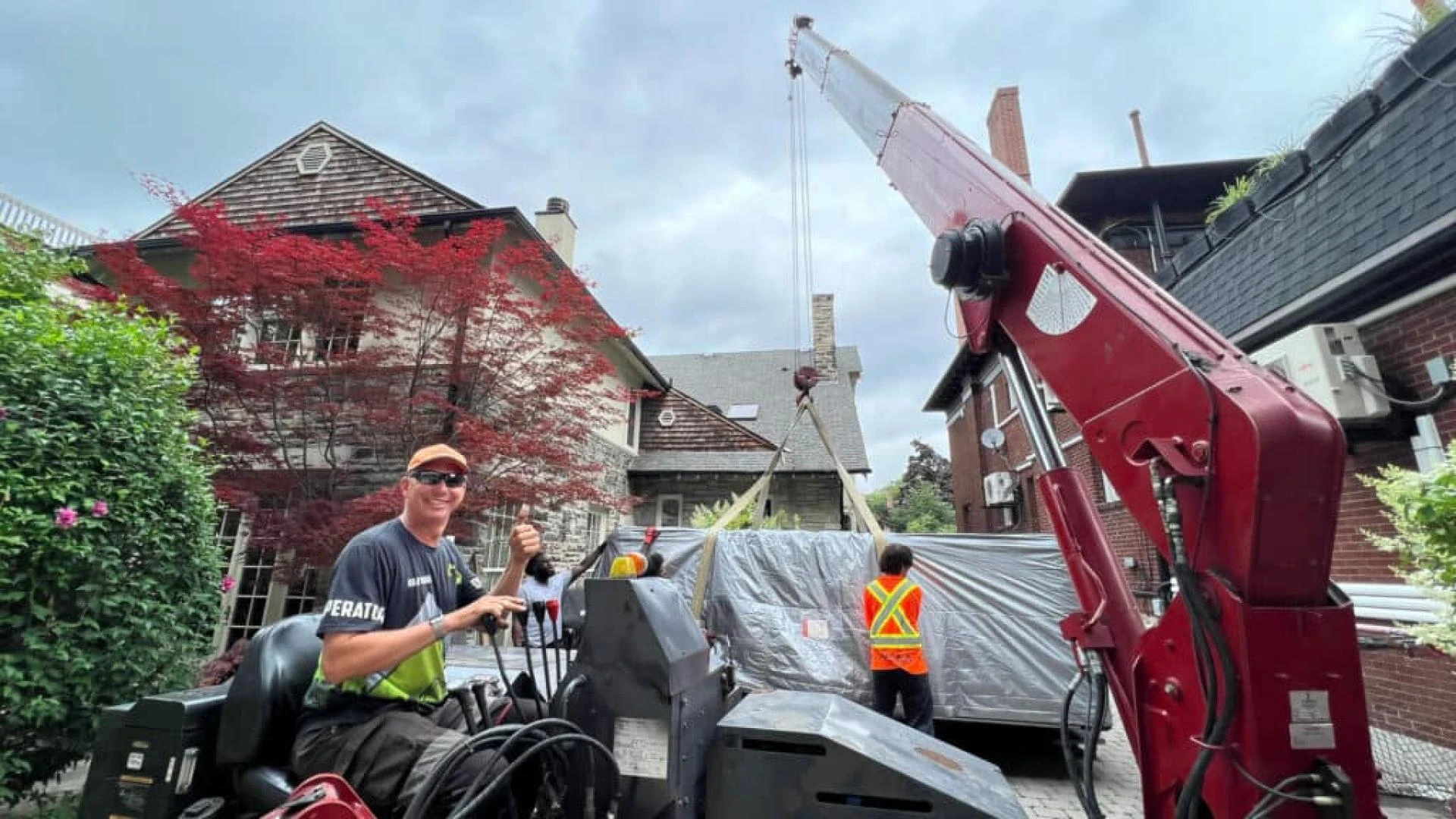
Construction projects often require lifting heavy materials to heights that workers simply cannot reach on their own. Whether it’s steel beams for a building, large air conditioning units for rooftops, or bulky construction equipment, moving these items safely requires specialized machines. This is where mobile crane rental in Toronto becomes extremely useful.
A mobile crane is a powerful lifting machine that can travel on roads and be quickly set up at different job sites. Instead of buying an expensive crane that might only be used occasionally, many companies choose to rent one when they need it. Renting gives businesses access to the right equipment without the long-term costs of ownership.
Toronto is one of Canada’s busiest cities for construction. New homes, office buildings, and infrastructure projects are constantly being developed. Because of this steady growth, many contractors depend on a reliable crane rental service to handle heavy lifting tasks efficiently and safely.
In this article, we’ll explore what mobile cranes are, why renting them is a smart option, how the rental process works, and what to consider when choosing the right provider in Toronto.
What Is a Mobile Crane?
A mobile crane is a large lifting machine mounted on a truck or special carrier that can move from one location to another. Unlike fixed cranes that stay in one place for months or years, mobile cranes are designed to travel between job sites.
Think of a mobile crane like a giant mechanical arm attached to a vehicle. Just as your arm can pick up objects and place them somewhere else, a crane’s long boom (the arm) lifts heavy items and moves them where they need to go.
Most mobile cranes include:
- A telescopic boom that extends outward and upward
- A hoist and hook used to lift materials
- A rotating base that allows the crane to swing items around
- Stabilizers or outriggers that keep the crane balanced during lifting
These machines are incredibly strong. Depending on the model, a mobile crane can lift several tons or even hundreds of tons.
Why Mobile Cranes Are Popular in Toronto
Toronto’s skyline is constantly evolving. New buildings, renovations, and infrastructure projects require frequent lifting of large materials.
Mobile cranes are popular because they offer several advantages:
1. Flexibility
A mobile crane can drive directly to the construction site. This means contractors don’t have to install a permanent crane for smaller or shorter projects.
2. Quick Setup
Unlike tower cranes that take days to assemble, mobile cranes can often be ready to work within hours.
3. Ideal for Tight Spaces
Many areas in Toronto have limited construction space. Mobile cranes are designed to operate efficiently even in compact urban environments.
4. Versatility
These cranes can be used for many types of work, including:
- Construction projects
- HVAC installations
- Bridge maintenance
- Equipment moving
- Tree removal
- Industrial repairs
Because of their adaptability, mobile cranes are used by contractors, utility companies, and even film production crews.
The Benefits of Renting Instead of Buying
Buying a crane can cost hundreds of thousands or even millions of dollars. For many businesses, this simply isn’t practical.
Renting provides several important benefits.
Lower Costs
Purchasing heavy machinery is expensive, and the costs don’t stop after the initial purchase. Maintenance, insurance, storage, and repairs can add up quickly.
Renting allows companies to pay only for the time they actually use the equipment.
Access to the Right Equipment
Different projects require different lifting capacities. Renting allows contractors to choose the exact crane they need for each job.
For example:
- A small project might need a compact crane
- A high-rise project may require a much larger model
Instead of owning multiple cranes, companies can simply rent the appropriate one.
Professional Operators
Many rental companies also provide trained operators. This is extremely helpful because operating a crane safely requires skill, training, and certification.
Having an experienced operator is like hiring a professional driver for a specialized vehicle—you know the job will be done properly.
No Maintenance Responsibilities
Cranes require regular inspections and maintenance to stay safe and functional. When you rent equipment, the rental company usually handles these responsibilities.
Common Types of Mobile Cranes
Not all mobile cranes are the same. Each type is designed for specific tasks.
Truck-Mounted Cranes
These cranes are attached to standard truck carriers, allowing them to travel easily on public roads. They are commonly used for general construction and building maintenance.
Rough Terrain Cranes
Designed for off-road environments, these cranes work well on uneven surfaces such as construction sites with dirt or gravel.
All-Terrain Cranes
These machines combine the road mobility of truck cranes with the strength needed for challenging job sites. They can travel long distances and handle heavy loads.
Carry Deck Cranes
Carry deck cranes are compact machines often used in warehouses, factories, and industrial facilities where space is limited.
Choosing the right type of crane depends on the project requirements, including weight limits, terrain conditions, and lifting height.
How the Crane Rental Process Works
Renting a mobile crane is usually straightforward.
Step 1: Project Evaluation
The rental company will ask about the project details, including:
- Weight of the materials being lifted
- Height and reach required
- Site conditions
- Duration of the project
This information helps them recommend the best crane for the job.
Step 2: Site Inspection
In some cases, the company may inspect the site beforehand. This ensures the crane can operate safely and efficiently.
Step 3: Delivery and Setup
Once the crane is selected, it is delivered to the job site. The crew sets up stabilizers and prepares the equipment for lifting operations.
Step 4: Lifting Operations
A certified operator performs the lifting tasks according to safety guidelines.
Step 5: Equipment Removal
After the work is completed, the crane is dismantled and transported away from the site.
This process allows contractors to focus on their project while experts handle the heavy lifting equipment.
Safety Considerations When Using Mobile Cranes
Safety is one of the most important aspects of crane operations.
These machines handle extremely heavy loads, and even small mistakes can cause accidents.
Reliable rental companies follow strict safety procedures, including:
Certified Operators
Operators must undergo training and certification to ensure they understand how to handle cranes safely.
Regular Equipment Inspections
Cranes are inspected before and after each project to identify any mechanical issues.
Load Calculations
Operators carefully calculate how much weight the crane can safely lift at a specific angle and distance.
Proper Setup
Stabilizers are extended and leveled to keep the crane balanced during lifting.
A good way to imagine crane safety is like stacking books on a shelf. If you stack too many books in one place, the shelf might collapse. Similarly, cranes must lift only within their safe limits.
Industries That Use Mobile Crane Rentals
Many industries rely on cranes to move large items.
Construction
Construction companies use cranes to lift steel beams, concrete panels, and building materials.
Manufacturing
Factories often need cranes to move heavy machinery during installation or maintenance.
Utilities
Power companies use cranes to install electrical poles, transformers, and other infrastructure.
Transportation
Mobile cranes help load and unload large equipment from trucks and ships.
Film and Events
Film productions sometimes use cranes to lift cameras or lighting equipment for dramatic shots.
Because they are so versatile, cranes play an important role in many different fields.
What to Look for in a Rental Provider
Not all crane rental companies offer the same level of service.
Here are some factors to consider when choosing a provider in Toronto.
Experience
Look for companies with years of experience handling different types of lifting projects.
Safety Record
A strong safety history indicates that the company follows industry standards and proper procedures.
Equipment Variety
A provider with multiple crane options can match the right machine to your project.
Qualified Operators
Professional operators ensure the job is done safely and efficiently.
Transparent Pricing
Reliable companies clearly explain rental costs, including setup, operation, and transportation fees.
Taking time to choose the right provider can make a major difference in project success.
The Role of Cranes in Toronto’s Growing Skyline
Toronto continues to expand with new residential towers, commercial spaces, and public infrastructure projects.
Cranes play a crucial role in making these developments possible. From lifting steel beams hundreds of feet into the air to placing heavy equipment on rooftops, cranes handle tasks that would otherwise be impossible.
If you look at the city skyline, you’ll often see cranes towering above buildings under construction. These machines represent progress and development.
Without them, modern urban construction would move much slower.
Conclusion
Heavy lifting is a common challenge in construction, industrial work, and infrastructure development. Mobile cranes provide the strength, reach, and flexibility needed to move massive objects safely.
For businesses in Toronto, renting a crane is often the most practical solution. It eliminates the huge costs of ownership while providing access to modern equipment and trained professionals.
Mobile cranes are flexible, powerful, and efficient tools that help complete complex projects safely and on schedule. As Toronto continues to grow and evolve, these machines will remain an essential part of the city’s construction landscape.
By understanding how crane rentals work and what to look for in a provider, companies can ensure their projects run smoothly from start to finish.