
When you plan to build an app, one big question comes up.
Should you go native? Or cross-platform?
Every Mobile App Development Company will ask you this early in the discussion. And your answer can shape your budget, timeline, and long-term success.
Let’s break it down in a simple way. No jargon. No confusion.
What Is a Native Mobile App?
A native app is built specifically for one platform.
For example, Swift or Objective-C for iOS. Kotlin or Java for Android.
It is designed only for that operating system.
This means the app can fully use device features. Camera. GPS. Face ID. Push notifications. Everything works smoothly because it is built for that environment.
Many businesses prefer native when performance is critical. Think fintech apps. Gaming apps. Streaming platforms.
If you are working with a trusted Mobile App Development Company, they will often suggest native when speed and user experience matter most.
You can explore expert native solutions at Mobile App Development Company to understand how platform-specific builds are handled professionally.
What Is a Cross-Platform App?
Cross-platform apps are built once. Then deployed on both iOS and Android.
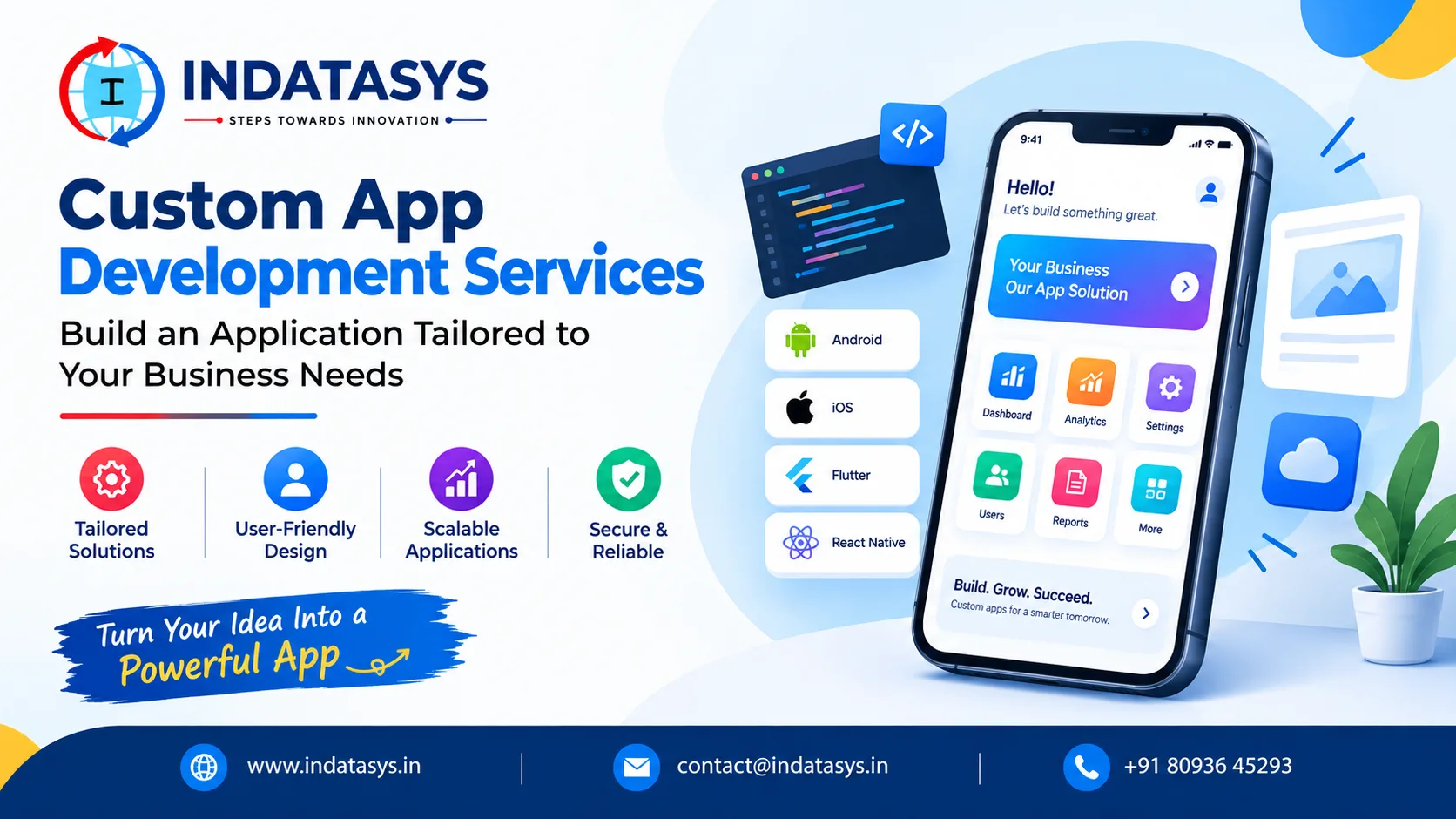
Frameworks like Flutter and React Native make this possible.
Instead of writing two separate codebases, developers write one shared codebase.
This saves time. And money.
For startups or small businesses, this can be a smart move. You launch faster. You reach more users. And your initial investment stays controlled.
A reliable Mobile App Development Company can guide you on whether cross-platform will meet your performance expectations.
Is Native Better for Performance?
Short answer? Yes.
Native apps usually perform better. They feel smoother. Faster. More responsive.
Why? Because they directly interact with the operating system. There is no middle layer.
If your app requires heavy animations, advanced graphics, or high data processing, native might be the safer option.
But remember. Not every app needs that level of performance.
If you are building a simple booking app or eCommerce platform, cross-platform might perform more than well enough.
Is Cross-Platform More Cost-Effective?
In most cases, yes.
You build once. You maintain one codebase. Updates are easier to manage.
For businesses watching their budgets, this matters.
However, long-term maintenance should also be considered. Sometimes custom native features require extra work later.
That is why working with the right Mobile App Development Company becomes important. They help you think beyond launch day.
What About Development Time?
Cross-platform usually wins here.
You reduce development hours. Testing cycles are shorter. Deployment becomes faster.
Native apps take longer. Because you are building separately for iOS and Android.
If your business needs to go live quickly, cross-platform could be the better fit.
Speed to market is often crucial. Especially in competitive industries.
Which One Offers Better User Experience?
Native apps often feel more “natural.”
They follow platform-specific design patterns perfectly.
Buttons behave the way users expect. Navigation feels familiar.
Cross-platform apps have improved a lot. Many users cannot even tell the difference now.
Still, if your brand focuses heavily on premium user experience, native may offer that extra polish.
A professional Mobile App Development Company will evaluate your audience before recommending anything.
Is Maintenance Easier with Cross-Platform?
Generally, yes.
One update works for both platforms.
With native, updates need to be applied separately.
But here’s something many businesses forget. Maintenance is not only about code. It’s about scalability.
Will your app grow? Will you add advanced features later?
Planning ahead makes a difference.
So, Which Is Better for Your Business?
There is no one-size-fits-all answer.
Choose native if:
- Performance is your top priority
- You need advanced hardware integration
- Budget is flexible
Choose cross-platform if:
- You want a faster launch
- Budget control matters
- Your app is not performance-heavy
The smartest move is not choosing a technology first. It is choosing the right strategy.
And that comes from working with an experienced Mobile App Development Company that understands business goals, not just code.
Final Thoughts
Technology decisions should never feel overwhelming.
The real goal is simple.
Build an app that serves your users well. And supports your business growth.
Whether you go native or cross-platform, planning matters more than trends.
If you are considering building a mobile app and want honest guidance, the team at Digital Aptech is always ready to help. A quick discussion can bring clarity. And clarity saves both time and money.
Your app idea deserves the right foundation.