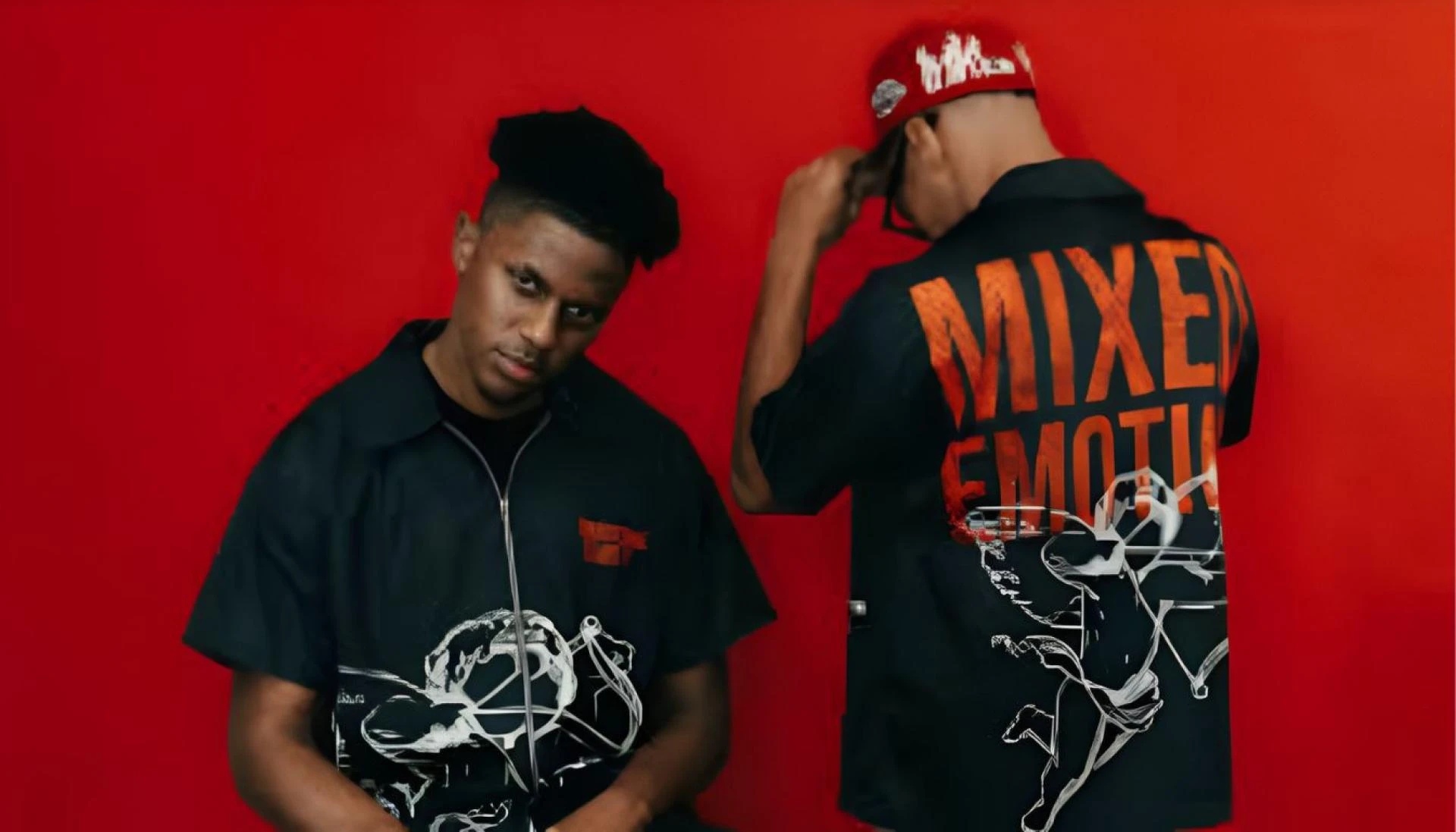
Fashion extends beyond textiles and ornamentation; it is a profound reflection of the human condition. Every garment carries symbolic resonance, transforming fabric into a vessel of sentiment. In contemporary society, apparel is shifting from aesthetic utility toward psychological revelation. Outfits now embody vulnerability, rebellion, and contradiction in ways once deemed unconventional. To dress is no longer just to decorate the body but to externalize unseen fragments of the soul. Within this evolving landscape, mixedemotionn.com clothing emerges as a powerful movement, embracing the messiness of human existence. It celebrates contradiction and imperfection as authentic markers of individuality.
The Concept of Mixed Emotions Clothing
Mixed emotions clothing does not attempt to sanitize complexity; instead, it revels in it. At its core, it juxtaposes clashing aesthetics—fragile and bold, cheerful and melancholic, minimal and extravagant—within a single ensemble. The wearer becomes a living embodiment of emotional chiaroscuro, where light and shadow coexist without apology. This form of apparel is not accidental disorder but deliberate tension, woven into seams and colors to articulate the depth of the human psyche. Each garment becomes a confession, an intimate declaration of contradictions. By embracing multiplicity, mixed emotions clothing redefines beauty as a tapestry of paradox.
Cultural Shifts Toward Authentic Expression
For decades, fashion prioritized uniformity and polished perfection, demanding conformity to rigid ideals. Today, society is dismantling that façade, reclaiming clothing as a form of raw narrative. Instead of following prescribed seasonal trends, individuals are embracing garments that articulate their lived realities. Clothing becomes a diary, recording triumphs, failures, scars, and moments of resilience. This shift is not superficial; it represents a cultural reorientation toward authenticity as liberation. People crave imperfections, preferring garments with stories rather than sterile precision. Through this lens, fashion evolves from silent costume to intimate testimony, reshaping collective definitions of beauty and identity.
The Psychology of Wearing Contradictions
The human psyche thrives on paradox. To wear clothing that embodies contradictions is to embrace life’s inherent complexity. Pairing distressed denim with delicate lace may symbolize simultaneous strength and fragility. Combining muted neutrals with flamboyant prints can reflect both hesitation and audacity. Such combinations become therapeutic, allowing individuals to externalize internal dissonance instead of concealing it. This sartorial practice transforms fashion into catharsis, granting freedom from the suffocating need for coherence. By dressing in contradictions, people affirm their multiplicity and resist reduction to single identities. Clothing evolves into a living mirror, capturing the fluctuating symphony of human emotion.
Authenticity as a New Currency
In an age oversaturated with logos, curated images, and polished perfection, authenticity has emerged as the most valuable currency. Luxury once thrived on visible branding, yet audiences now seek something deeper—garments that communicate sincerity rather than social status. Mixed emotions clothing embodies this hunger for truth, rejecting uniformity in favor of unfiltered expression. Each garment is a testament to raw identity, revealing unedited emotions. Such authenticity transcends mere aesthetics; it resonates as cultural truth-telling. This evolution signals a profound shift: fashion is no longer judged solely by craftsmanship or price but by its ability to reflect genuine human experience.
Influence of Designers and Subcultures
Pioneering designers and grassroots subcultures laid the foundation for mixed emotions clothing. Visionaries like Rei Kawakubo, Yohji Yamamoto, and Martin Margiela challenged polished ideals by embracing imperfection, fragmentation, and contradiction in their work. They transformed irregularity into an aesthetic language, rejecting conformity. Simultaneously, streetwear and underground subcultures embraced paradoxical style—merging rebellion with vulnerability, masculinity with tenderness. These movements blurred boundaries between high fashion and grassroots creativity, cultivating authenticity as a collective aspiration. Their influence legitimized emotional expression within apparel, showing that dissonance could be beautiful. Today, their legacy empowers wearers to craft deeply personal narratives through clothing.
Digital Amplification of Emotional Style
The digital age magnifies emotional fashion, turning clothing into a global language of self-disclosure. Social media platforms function as stages where individuals broadcast vulnerability through style. A clashing outfit photographed against mundane backdrops can communicate depth more eloquently than text. Hashtags amplify these visual confessions, turning personal expression into community dialogue. Digital platforms valorize honesty, transforming contradictions into relatable storytelling. Mixed emotions clothing thrives here because imperfection is celebrated rather than hidden. Emotional fashion becomes both content and identity, curating authenticity as digital performance while simultaneously cultivating real human connection. The internet transforms style into emotional currency.
Challenges in Maintaining Authenticity
The momentum of mixed emotions clothing is not without fragility. Once the rawness of emotional fashion is commodified, its sincerity risks erosion. Corporations can easily transform authenticity into a packaged trend, selling curated imperfection as yet another commercial aesthetic. Such dilution weakens the radical force of contradiction, reducing vulnerability to marketable artifice. When sincerity becomes staged, fashion loses its power to unsettle or inspire. To preserve integrity, emotional clothing must resist homogenization, remain personal, and prioritize truth over profit. Its survival depends on honoring individual narratives instead of transforming them into standardized commercial blueprints.
Conclusion: The Future of Emotional Authenticity in Fashion
The rise of mixed emotions clothing reveals a cultural hunger for sincerity in a world saturated with artifice. It honors complexity, weaving strength with fragility, chaos with beauty, rebellion with vulnerability. Fashion’s future lies not in flawless surfaces but in garments that resonate with lived experience. Authenticity has become the defining currency of this new era, a force stronger than logos or perfection. By embracing contradiction, clothing transforms into testimony, telling stories of humanity with every seam. The future of style belongs to those unafraid to display their truths, however tangled, through the very fabrics they wear.