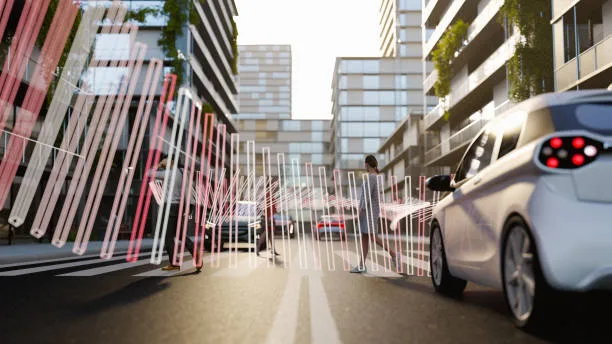
The physical dimensions of modern vehicles are increasing, while parking spaces and suburban driveways in Auckland remain the same size. This creates a challenging environment for drivers, particularly when navigating in reverse. The standard mirror configuration provided by vehicle manufacturers cannot compensate for the large blind spots created by thick rear pillars and high boot lines.
These blind spots are responsible for a significant percentage of low-speed collisions and tragic driveway accidents. Relying solely on mirrors and turning one's head is no longer sufficient for safe operation in dense urban environments. Proactive drivers must utilize modern visual technology to eliminate these dangerous unseen areas entirely.
The Superiority of Dedicated Visual Systems
While some modern vehicles include basic reversing sensors, these audio warnings only indicate proximity; they do not provide the visual confirmation necessary to identify the specific obstacle. A child, a low concrete bollard, or a misplaced bicycle all trigger the same warning beep, leaving the driver guessing at the actual hazard.
Installing a high-quality Reverse Camera Auckland is the only definitive solution. These systems utilize wide-angle lenses mounted discretely on the rear of the vehicle, transmitting a clear, real-time image directly to a screen on the dashboard. This comprehensive visual field allows the driver to see exactly what is behind them, eliminating guesswork and providing the confidence needed to navigate complex reversing maneuvers safely and precisely.
The Necessity of Professional Integration
Integrating a dedicated visual system into a modern vehicle is a complex electrical process. The camera must be wired correctly to activate automatically when the reverse gear is engaged, and the video signal must be integrated seamlessly into the dashboard display without interfering with the vehicle's existing diagnostic systems.
It is highly recommended to partner with an experienced Car Audio Manukau specialist for this crucial safety upgrade. Professional technicians possess the specific knowledge required to route the delicate wiring harnesses safely and integrate the visual feed flawlessly. Attempting a DIY installation often results in poor image quality, electrical faults, and potentially voided vehicle warranties. Professional integration ensures the system operates reliably whenever it is needed most.
Conclusion
The growing dimensions of modern vehicles require advanced solutions to manage significant rearward blind spots. By utilizing dedicated visual camera systems, drivers can eliminate the guesswork associated with reversing, preventing costly accidents and protecting vulnerable pedestrians. Partnering with professional automotive technicians ensures these critical safety systems are integrated flawlessly, providing reliable, real-time visual information for safer urban driving.