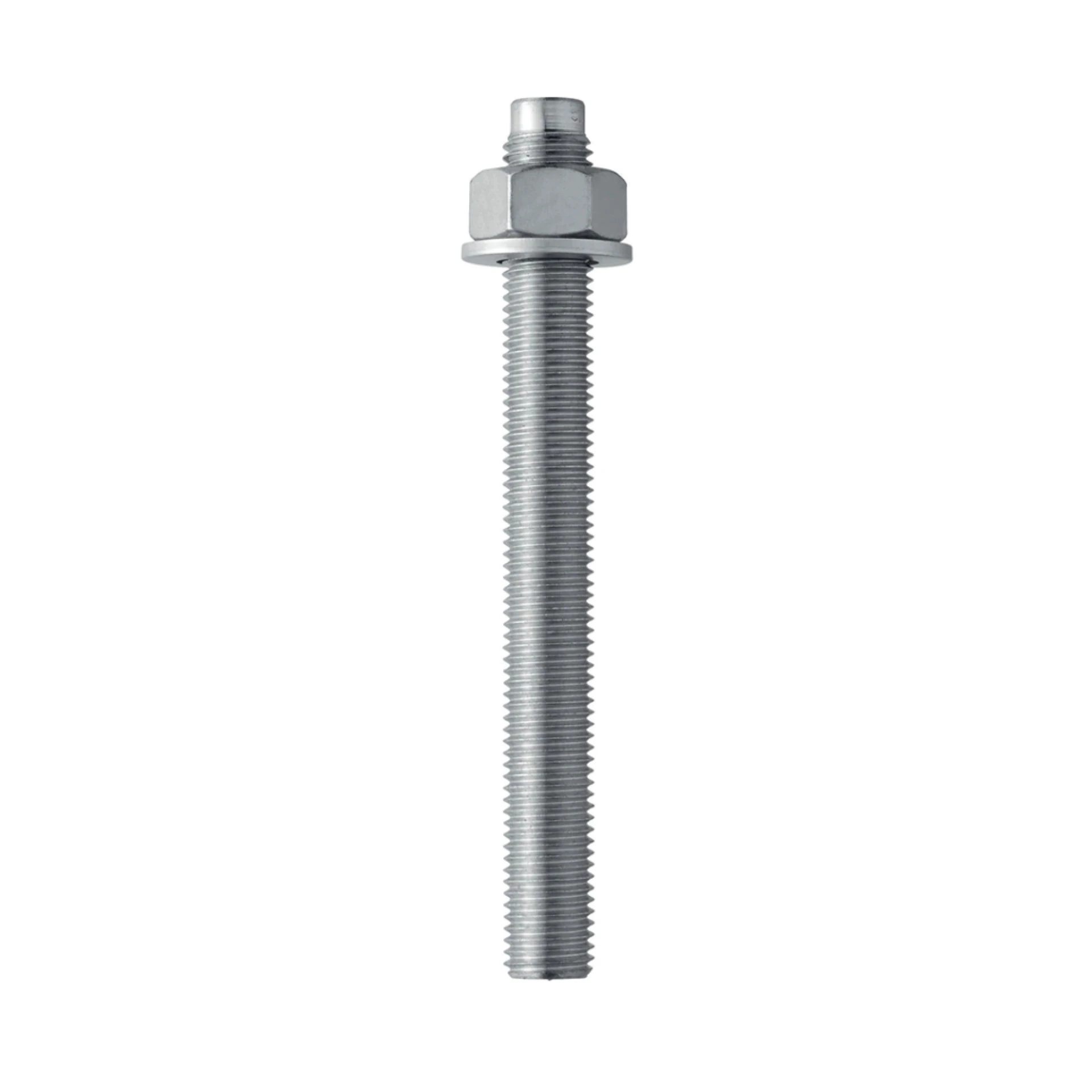
Chemical anchor bolts are widely used in construction and industrial projects to provide strong & reliable fastening in concrete and masonry. They are ideal for heavy loads and high-stress applications, offering superior performance compared to traditional mechanical anchors. However, improper use can compromise their effectiveness, leading to safety risks, project delays, & costly repairs. Understanding the common mistakes helps ensure proper installation and long-term reliability.
Selecting the Wrong Anchor for the Application
One of the biggest mistakes is using a chemical anchor bolt unsuitable for the job. Anchor bolts are available in various sizes, load capacities, and materials. When a light load bolt is used for a heavy structural load application, the result can be premature failure. It is advisable to carefully evaluate desired performance criteria to ensure the best choice of anchor, and keep in mind the type of load being applied (i.e., concrete, wood) as well as the condition of the base material.
Improper Hole Preparation
The preparation of the hole largely influences the pull-out strength of a chemical anchor. Common mistakes include:
o Drilling the wrong diameter hole.
o Failing to clean or leaving dirt or debris in the hole.
o Going too shallow or too deep.
Dust and rubbish reduce the bond of chemical adhesives; incorrect depth may prevent the anchor from being loaded completely. Be sure to clean the hole thoroughly with a brush and compressed air, following the manufacturer's instructions.
Incorrect Installation Technique
Application errors can cause even the best chemical anchors to fail. Typical installation errors include:
o Failing to allow the adhesive to cure correctly.
o Twisting the bolt when inserted causes deterioration of the bond.
o Using the wrong nozzle or dispensing system.
By complying with the manufacturer's recommended installation method (mixing, installing, and curing) of this product, maximum safety assurance is obtained, and the risk associated with failure is minimized.
Ignoring Environmental Conditions
The performance of chemical anchors can be influenced by temperature, as well as by varying conditions, including wet and dry environments, and atmospheric humidity. Without proper preparation, damp or frozen concrete can cause the anchor bolt to slip. Some adhesives do have a particular temperature range in which they will cure. Ignoring these environmental issues is one of the most common errors that can lead to the possible failure of an anchor.
Overloading the Anchor
Your other error was overloading or increasing the load of your anchor. Even properly installed anchor bolts can fail if subjected to forces that exceed their designed limit. Always calculate load requirements with a safety margin and consider dynamic or vibrational loads, ensuring the anchor performs safely in all possible situations.
Reusing Anchors
Chemical anchors are for use in one-time applications. Removing an anchor and reusing it is detrimental to the bond that formed in a previous set, often weakening it by over 75%. Trying to reuse an old anchor can result in the loss of equipment and compromise safety. Therefore, it is best to use new anchors with each installation.
Also check our latest Post: The Strength Beneath the Surface: Why Threaded Rods Hold It All Together
Neglecting Regular Inspections
Even with proper installation, periodic inspections are essential, especially in high-stress or outdoor applications. The anchor can be adversely impacted by exposure to vibrations, etc., temperature, or chemical environments. Regularly inspecting bolts for signs of loosening or damage can help keep the structure safe and avoid unexpected, expensive repairs.
Failing to Source Quality Products
The trustworthiness of an anchor bolt is a result of its design and crap. Poor-quality or counterfeit anchors could result in bond failures if installed improperly. The use of reliable vendors ensures the high quality of the products and prep materials used in their manufacture, resulting in both strength and lightness.
In Conclusion
Anchor bolts are essential for secure and durable fastening in construction and industrial projects; however, mistakes in selection, installation, or maintenance can compromise their performance. By avoiding errors such as improper hole preparation, overloading, environmental negligence, and using low-quality products, businesses can ensure long-lasting, safe results.
For reliable and high-quality anchor bolts, Oman Ocean Trading LLC is a trusted provider, offering products designed to meet the demanding requirements of construction and industrial applications.