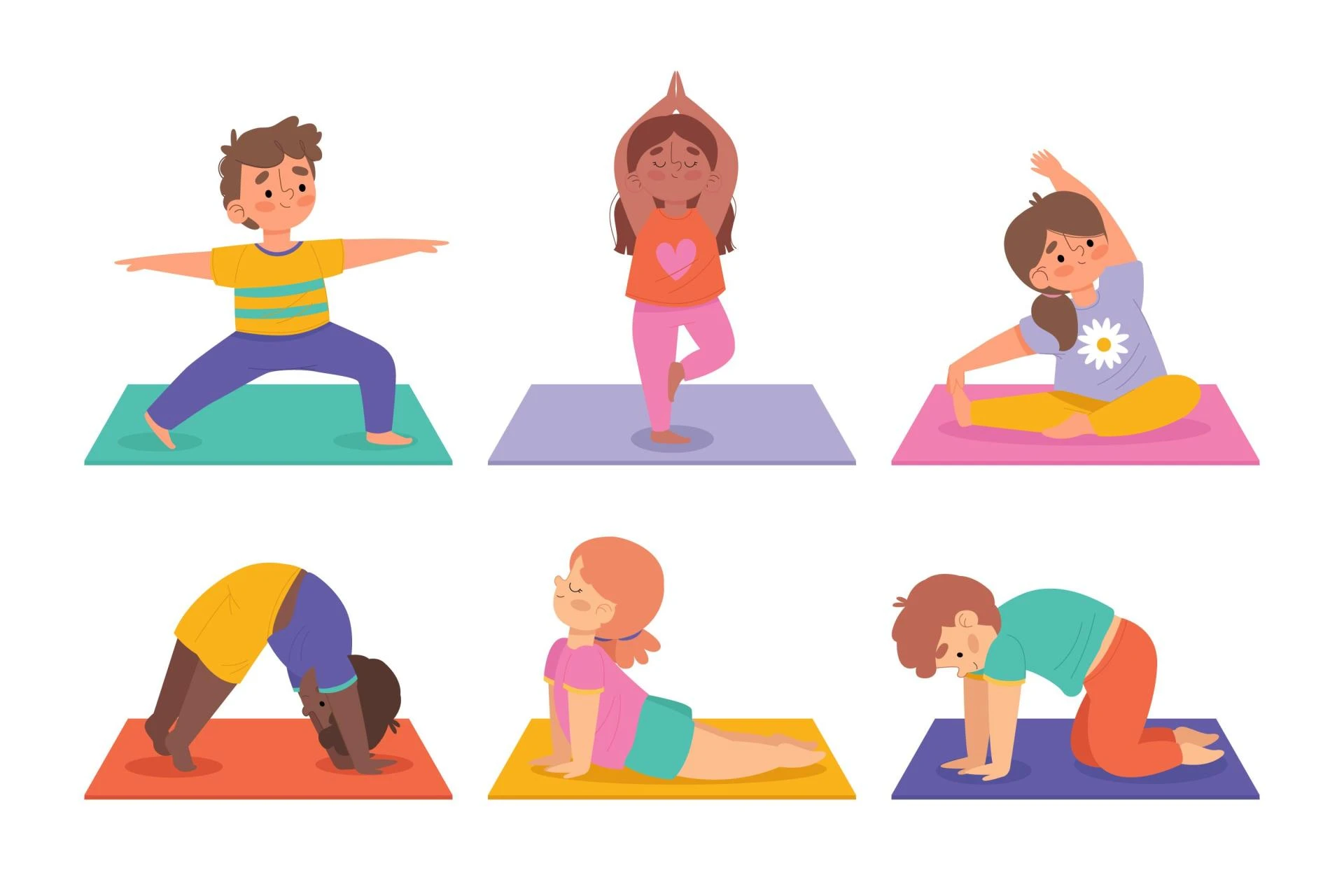
Classroom behavior issues don’t start with “bad kids.” They start with overstimulated brains, low emotional regulation, and zero tools to slow down. Schools that ignore this end up spending more time on discipline than on learning.
That’s where mindfulness programs quietly change the game.
Mindfulness Fixes the Root Problem, Not the Symptoms
Most behavior management systems are reactive. A child disrupts class, a rule is enforced, a punishment follows. That cycle doesn’t teach self-control—it teaches fear or avoidance.
Mindfulness works upstream.
When students practice simple breathing, body awareness, and guided movement, they learn how to:
- Pause before reacting
- Recognize emotional triggers
- Reset their focus independently
That’s why schools using structured mindfulness see fewer outbursts and smoother transitions between activities.
Calm Brains = Better Decisions
Behavior issues spike when students feel overwhelmed. Noise, pressure, screens, and packed schedules overload young nervous systems.
Mindfulness lowers cortisol (stress hormone) and improves impulse control. The result?
- Fewer classroom disruptions
- Reduced aggression
- Improved peer interactions
This isn’t theory. Multiple school-based studies show that students in mindfulness programs demonstrate measurable improvements in emotional regulation within weeks.
Movement Matters More Than You Think
Mindfulness isn’t just sitting still. The most effective programs combine movement + awareness.
Short fitness-based mindfulness sessions help students release excess energy before it turns into misbehavior. That’s why many schools now look for in-school fitness programs near me that integrate both physical activity and mental focus instead of treating them as separate initiatives.
The combo works because movement primes the brain for learning, while mindfulness teaches control.
Teachers Feel the Difference First
One underrated benefit? Teachers notice improvements before administrators do.
When students are calmer:
- Instructions are followed faster
- Transitions take less time
- Teaching time actually increases
Less classroom chaos also means lower teacher stress, which indirectly improves classroom management even more. It’s a positive feedback loop.
Mindfulness Builds Long-Term Behavior Change
The biggest win isn’t short-term compliance. It’s skill-building.
Students who practice mindfulness regularly:
- Handle frustration better
- Resolve conflicts with fewer escalations
- Develop self-awareness earlier
That’s behavior improvement that sticks—without constant adult intervention.
Final Takeaway
Mindfulness programs work because they address what traditional discipline ignores: emotional skills. When students learn how to regulate themselves, classrooms become calmer, learning becomes easier, and behavior improves naturally.
It’s not magic. It’s neuroscience applied correctly.
If you want, I can:
- Shorten this for guest post word limits
- Add light stats without making it academic
- Rewrite it to sound more school-admin focused