For organizations sourcing specialty pyridine intermediates, understanding the technical profile of a compound is essential before selecting Methyl 4-Aminopyridine-2-Carboxylate Manufacturers. Also identified by CAS No. 71469-93-7, this compound is a useful chemical building block with established identifiers, molecular characteristics, and quality parameters. Reviewing its formula, molecular weight, purity, appearance, melting point, and analytical requirements can help research teams and procurement professionals make informed sourcing decisions.
What Is Methyl 4-Aminopyridine-2-Carboxylate?
Methyl 4-Aminopyridine-2-Carboxylate is an aromatic heterocyclic compound containing a pyridine ring, an amino group, and a methyl ester functionality. It is also known by names such as methyl 4-aminopicolinate, 4-aminopyridine-2-carboxylic acid methyl ester, and 4-aminopicolinic acid methyl ester. These alternative names can be useful when comparing supplier catalogs, technical documents, and chemical databases.
The compound is identified by CAS Number 71469-93-7 and PubChem CID 3759117. Maintaining the correct CAS number during purchasing and documentation is important because it provides a standardized identifier for the material and helps reduce confusion between structurally related pyridine derivatives.
Molecular Formula and Molecular Weight
One of the first specifications buyers typically check is the molecular formula. Methyl 4-Aminopyridine-2-Carboxylate has the molecular formula C7H8N2O2 and a molecular weight of approximately 152.15 g/mol. These values are reported consistently across major chemical reference and supplier sources.
SpecificationDetailsChemical nameMethyl 4-Aminopyridine-2-CarboxylateCAS Number71469-93-7Molecular FormulaC7H8N2O2Molecular Weight152.15 g/molPubChem CID3759117Physical formSolidCommon synonymMethyl 4-AminopicolinateThe molecular weight is particularly relevant when calculating reaction quantities, preparing solutions, determining molar concentrations, and evaluating stoichiometric requirements in chemical synthesis.
Purity Specifications
Purity is one of the most important factors when evaluating Methyl 4-Aminopyridine-2-Carboxylate Manufacturers. The required purity level can vary according to the intended application, process stage, and analytical requirements of the purchaser.
Commercial specifications demonstrate that 98% or higher purity is commonly available for this compound. For example, TCI lists a specification of greater than 98.0% by GC, while another supplier specification lists a minimum purity of 98% by HPLC.
However, buyers should not evaluate purity based solely on a headline percentage. A Certificate of Analysis (COA) should ideally identify the analytical method, batch number, measured purity, appearance, and relevant identity tests. Lot-specific documentation is especially useful when the material is being incorporated into a controlled research or manufacturing workflow.
Appearance and Physical Characteristics
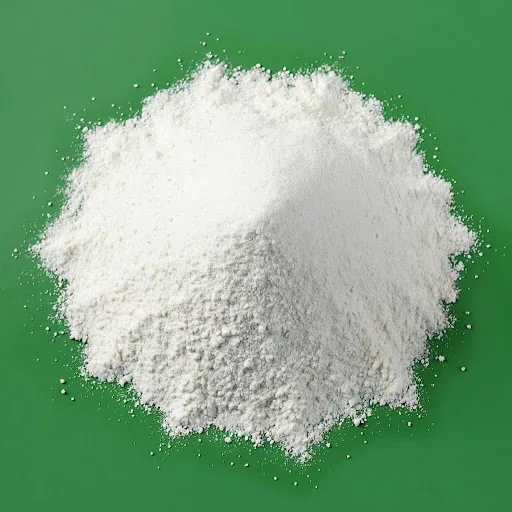
The appearance of Methyl 4-Aminopyridine-2-Carboxylate may be described as a white, light-yellow, or light-orange powder to crystal depending on the supplier's specification and material presentation. TCI reports the material as a solid at 20°C and recommends storage in a cool, dark location below 15°C.
Melting point is another useful identification and quality parameter. A commercial specification from TCI gives a melting range of 131°C to 135°C, with a reference melting point of approximately 133°C. Other supplier data may report a somewhat different range, illustrating why purchasers should refer to the specification and COA associated with the particular batch being supplied.
Analytical Identification and Quality Control
Reliable quality control involves more than measuring purity. Analytical testing can help confirm that the material corresponds to the intended chemical structure and meets agreed specifications.
Common analytical considerations include:
- HPLC or GC purity analysis
- NMR confirmation of structure
- Appearance examination
- Melting-point determination
- Moisture or related impurity testing where applicable
- Batch-specific Certificate of Analysis
For example, TCI specifies both GC purity and nonaqueous titration at a minimum of 98.0% and states that NMR should conform to the structure. Another published specification lists a maximum moisture value alongside HPLC purity.
These analytical parameters can help procurement teams compare materials from different sources on a consistent technical basis.
Choosing a Manufacturer Based on Specifications
When evaluating Methyl 4-Aminopyridine-2-Carboxylate Manufacturers, purchasers should consider more than price and availability. A capable manufacturer should be able to communicate clear product specifications and provide appropriate quality documentation for the supplied batch.
Important questions include:
- What purity level can be consistently supplied?
- Which analytical methods are used for release testing?
- Is a batch-specific COA available?
- Can the manufacturer support laboratory and larger-scale requirements?
- Are packaging and storage recommendations clearly documented?
- Can the supplier provide technical information for quality evaluation?
- What are the expected lead times for repeat or bulk orders?
A transparent specification sheet makes it easier for buyers to compare suppliers and establish suitable acceptance criteria.
Why Accurate Specifications Matter
For specialty chemicals, consistent specifications can contribute significantly to reproducible research and manufacturing outcomes. Differences in purity, moisture, residual impurities, or physical characteristics can affect downstream processing and analytical results. This is why experienced Methyl 4-Aminopyridine-2-Carboxylate Manufacturers should place strong emphasis on documented quality control and batch consistency.
Buyers should also distinguish between a catalog listing and a manufacturing capability. A distributor may offer a material in small quantities, while a manufacturer may be better positioned to discuss production scale, customization, repeat supply, and technical requirements.
Source Methyl 4-Aminopyridine-2-Carboxylate
Selecting a dependable chemical manufacturing partner begins with reviewing product identity, purity specifications, analytical documentation, supply capabilities, and quality practices. For organizations looking for a dedicated source, explore Vinuthana's page for Methyl 4-Aminopyridine-2-Carboxylate Manufacturers to learn more about sourcing this specialty chemical.
A specification-focused approach helps procurement teams move beyond simple price comparisons and select a supplier capable of supporting their technical and commercial requirements.
Other Recommendations: CAS NO 71469-93-7 Manufacturers