1. Introduction: Understanding the Importance of Crypto Wallets
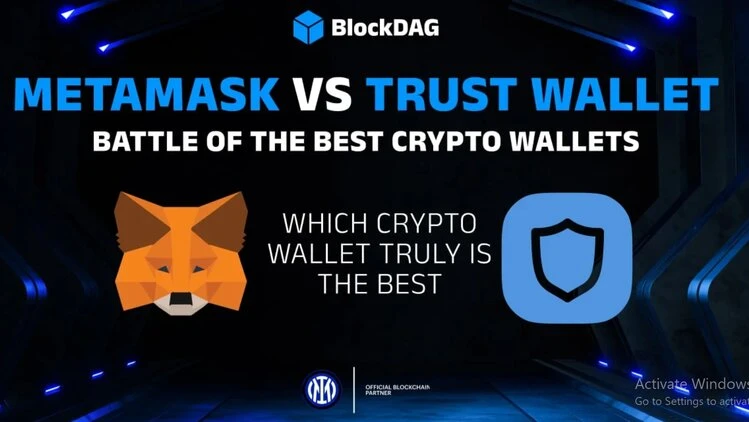
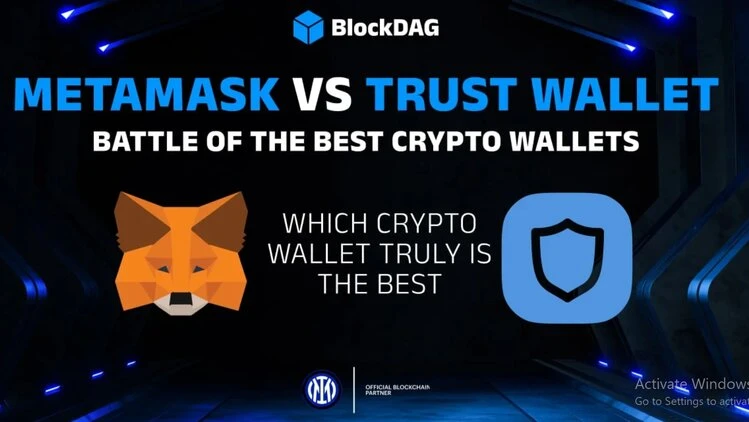
As cryptocurrencies become more widely adopted, the tools to store and manage them have also evolved. Two of the most popular and secure non-custodial wallets in the crypto space are MetaMask and Trust Wallet. Both wallets are used by millions of people across the globe to store, send, and trade a wide variety of cryptocurrencies. Their support for decentralized applications (dApps), DeFi protocols, and staking has made them essential for any crypto enthusiast. But which one is truly better? In this blog, we’ll compare metamask vs trust wallet in depth, highlighting their strengths, weaknesses, and key differences to help you choose the right one.
2. Blockchain Compatibility: Multi-Network Flexibility
MetaMask was originally designed as an Ethereum-only wallet. Over time, it has expanded to include Ethereum-compatible networks like Binance Smart Chain and Polygon. However, users must manually add these networks, which can be a hassle for beginners. In contrast, Trust Wallet offers broader multi-chain compatibility right out of the box. It supports Ethereum, Binance Chain, Solana, and other Layer-1 blockchains without needing additional configuration. For users who want to explore a wide range of blockchains without manual setup, Trust Wallet has the edge.
3. Token Swapping: Decentralized Exchange on the Go
Both MetaMask and Trust Wallet support built-in token swapping. MetaMask integrates swap features within the app but is primarily optimized for Ethereum-based tokens. Trust Wallet goes a step further by allowing token swaps across multiple blockchains, including Binance Smart Chain. This multi-network token swap support makes Trust Wallet more flexible for users who operate beyond the Ethereum ecosystem.
4. NFT Handling: Managing Your Digital Collectibles
NFTs (Non-Fungible Tokens) are an important part of the crypto world. MetaMask supports Ethereum-based NFTs but doesn’t offer the best user experience when managing NFTs across other chains. Trust Wallet, on the other hand, provides a more comprehensive NFT experience. It supports NFTs from various blockchains, offering users more flexibility in collecting and trading digital assets. If NFTs are a big part of your crypto activity, Trust Wallet might be the better choice.
5. dApp Browsing: Web3 Integration and Usability
One of MetaMask’s standout features is its browser extension, which is ideal for interacting with desktop-based Web3 applications. It also offers a mobile app with a dApp browser, but the desktop experience remains superior. Trust Wallet provides both a desktop browser extension and a mobile dApp browser, giving users a solid experience on all devices. However, MetaMask still holds a slight advantage for desktop-based users who interact with DeFi platforms and dApps regularly.
6. Staking Capabilities: Earning Passive Income
Trust Wallet shines in the area of staking. It allows users to stake multiple cryptocurrencies, such as BNB, XTZ, and more, directly within the app. This helps users earn passive income without needing to use external platforms. MetaMask also supports staking but is more limited in scope. It primarily focuses on Ethereum staking, including validator and liquid staking. If staking is a priority, especially across multiple chains, Trust Wallet provides a more versatile solution.
7. Security Features: Keeping Your Assets Safe
Both wallets are non-custodial, meaning users have full control over their private keys. Their open-source nature ensures transparency and allows the community to audit their security. However, both are vulnerable to phishing attacks and user errors. Since both wallets operate under similar security models, the overall protection depends more on the user’s ability to follow good security practices like using hardware wallets, avoiding suspicious links, and securing recovery phrases offline.
8. User Experience: Interface and Accessibility
MetaMask offers a clean interface but requires users to manually configure non-Ethereum networks. While many online guides are available, this can be intimidating for beginners. Trust Wallet, in contrast, simplifies this process by automatically supporting multiple blockchains. Its straightforward setup and intuitive interface make it more user-friendly, especially for those new to crypto.
9. Transaction Costs: Fees and Charges
Transaction costs in both MetaMask and Trust Wallet depend on the blockchain network being used. Gas fees can fluctuate based on network congestion. Additionally, both wallets apply small swap fees for using their integrated exchange features. Overall, there's no significant difference in the transaction fees between the two. The cost structure is fairly similar, and what you pay will mostly depend on the activity level of the blockchain network you’re using.
10. Conclusion: Choosing the Right Wallet for You
So, which wallet wins the battle? The answer depends on your needs:
- Choose MetaMask if you frequently use desktop-based dApps, are deeply involved in Ethereum DeFi, and want seamless integration with browser platforms. It’s ideal for advanced users who don't mind setting up networks manually and want full access to Ethereum-based applications and staking services.
- Choose Trust Wallet if you prefer a mobile-friendly app that offers wide blockchain compatibility, better NFT support, and integrated staking. It’s better suited for users who want an easy, all-in-one wallet experience with minimal configuration.
Both wallets are excellent, secure, and well-respected. Your choice should reflect how you interact with the crypto world.
11. Beyond Wallets: The Rise of BlockDAG
While MetaMask and Trust Wallet are strong contenders in the crypto wallet space, there’s more happening in the blockchain world. One exciting development is BlockDAG, a new blockchain innovation combining traditional blockchain features with Directed Acyclic Graph (DAG) technology.
BlockDAG has gained significant attention, raising over $216 million in ongoing presales. With a current token price of $0.0248 and over 19.3 billion tokens sold, it’s becoming a standout project in 2025. Its appeal lies in the hybrid structure that promises faster, more scalable, and energy-efficient solutions for future applications.
12. Mining with BlockDAG: Accessible and Profitable
BlockDAG makes mining accessible to everyday users. It provides a user-friendly mining calculator that helps estimate profits based on electricity and mining power. The X10 miner is compact and can generate up to 200 BDAG per day, while the X100 ASIC miner offers up to 2,000 BDAG daily. Over 15,850 mining units have been sold, indicating high user interest and community growth.
13. Building a Global Community
BlockDAG also emphasizes community development. Its Ambassador Program allows users to contribute to the project through education, events, and outreach. Strategic partnerships with major organizations have further increased its credibility and visibility in the market.
14. Final Thoughts: Wallets and the Future of Blockchain
While MetaMask and Trust Wallet are indispensable tools for crypto users, the broader blockchain landscape is evolving rapidly. BlockDAG’s innovative model, strong community, and robust mining ecosystem mark the next stage in blockchain technology. Whether you’re managing your crypto portfolio or looking to invest in the next big project, understanding these tools and technologies is essential. MetaMask and Trust Wallet help you interact with today’s decentralized world, while BlockDAG offers a glimpse into the blockchain future.