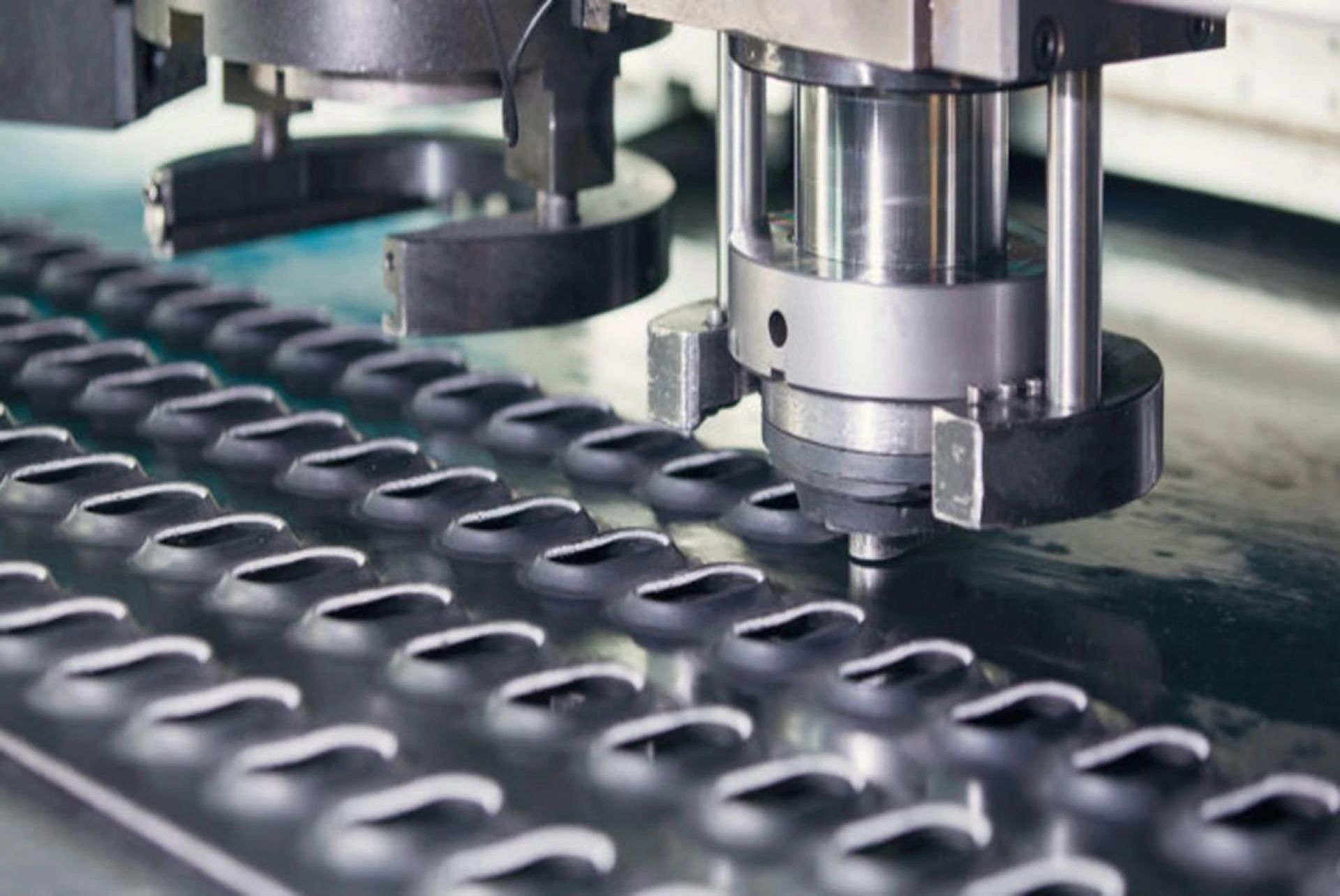
Metal drilling is one of the most common processes used in multiple industrial operations. The process has extensive uses, such as in metal frameworks, assembling heavy-duty structures, or preparing parts for bolts and fasteners. Drilling plays a critical role in shaping and joining metal components.
If you are instructing your team on metal drilling or working on a project yourself, this blog is for you. It discusses the tools, tips, and techniques involved in the process. Also, if you are seeking metal drilling services in Albuquerque, it will help you understand how clean and accurate results are achieved.
Read on!
Metal Drilling: What Is It?
Metal drilling is the process of creating cylindrical holes in metal sheets using a drill. A drilling machine has a drill bit attached to it, which carves a hole in metal bit by bit without distorting the metal. It is used for drilling holes in metals, wood, plastic, and other materials.
What makes drilling more interesting is that you must always choose the right drill bit based on the hardness and density of materials to create the right-sized hole. Even the slightest mistake can cause damage to the workpiece or tools.
If this is your first attempt at drilling, it is advised that you consult professionals offering metal drilling services in Albuquerque. They are trained & certified, and can guide you in using the right drill bits for the operation. You can also outsource the job for consistent and accurate results.
Essential Tools for Drilling Metal
Choosing the right tools is the first step towards successful metal drilling. Learn about the different types of drilling tools here:
Drill Press or Hand Drill
For light-duty tasks, a hand-held drill is the best option. These drills are portable and can get to work anywhere with a power outlet. However, for tougher metals and superior control, a drill press is recommended.
Drill Bits
A drill bit is a metal tool that rotates and carves the metal. Drill bits are available in different sizes, and choosing the right one is vital. Here are some common drill bit types:
High-Speed Steel: These bits are suitable for softer materials like aluminum.
Cobalt Bits: When working on stainless steel, a cobalt bit is the right choice.
Carbide Tipped Bits: These are the toughest drill bits and are known for their hardness. They are used for high-volume and heavy-duty drilling.
Each type of bit offers different cutting performance and wear resistance, making it important to match the bit with the material being drilled.
Cutting Fluid
Heat buildup is common during metal drilling. Thus, a cutting fluid or lubricant is essential to reduce friction, cool the drill bit, and extend its lifespan. It also helps prevent the workpiece from warping or getting scorched.
Clamps and Vises
Whether it is drilling, sawing, shearing, or punching, the metal should be stable during the operation. Thus, clamps and vises should always be used to secure the workpiece to prevent it from moving during drilling. It is important to achieve cleaner holes and reduce the risks of injury.
Techniques for Effective Metal Drilling
Here are some expert-approved techniques for effective metal drilling:
Start with a Pilot Hole
Always drill a pilot hole first, especially when working with thick and hard metals. A smaller pilot hole helps guide the larger drill bit and reduces resistance.
Mark The Location
Use a scriber or a center punch to create a small dimple on the metal. It will prevent the bit from slipping and ensure accurate drilling.
Monitor Pressure
The pressure on the drill bit should always be steady and moderate. Applying too much or too little pressure either overheats or dulls the drill bits. The goal is to maintain a steady pressure that allows the bit to cut effectively without strain.
Monitor the Speed
Choose the drilling speed based on the metal type, thickness, and hardness. Slower speed is recommended for softer metals, while high-speed drilling is suitable for softer materials. Excessive speed leads to overheating and reduced tool life.
Clear Chips Frequently
Metal shavings or chips can clog the bit and cause erratic drilling if not cleaned frequently. So, when drilling a thick metal, remove the drill occasionally and clean the chips before resuming.
Some Common Mistakes To Avoid During Metal Drilling
Despite using the best equipment, mistakes are made. Here are some common mistakes that you must avoid during drilling:
- Use material-appropriate drills: metal drills for metals and wood drill bits for wood.
- Never skip cutting fluid, or else the drill bit will overheat and wear out, resulting in tool damage and a poor finish.
- Improper clamping is not acceptable. A loose workpiece results in off-center holes and can cause accidents.
- Always wear protective eyewear, gloves, and a dust mask to protect yourself from metal debris.
Safety Considerations in Metal Drilling
Whenever working with metals, safety should be your priority. Drilling into metal results in chips and shavings that can fly and disrupt your vision, making the drill slip and cause injury. Accidents aren’t uncommon during metalwork, but they can be avoided by following safety precautions.
Here are some safety tips you must always follow:
- Wear safety glasses to protect your eyes from flying debris.
- Gloves are essential to prevent cuts.
- Wear ear muffs to lower the noise as consistent exposure to noise results in impaired hearing.
- Maintain a clean workspace to avoid tripping hazards.
- Clean the shavings and chips to avoid entanglement.
Conclusion
Metal drilling is simple if you follow the tips and techniques and always choose the right tools. This blog has covered all aspects of metal drilling so that you can start now.
However, it is wise to consult a professional offering metal drilling services in Albuquerque for industrial needs. They can offer quality services, timely delivery, and consistent results without having to invest in a metal drilling machine and employee training. Weigh your options carefully before making a decision.