Men’s pull on boots have become a popular footwear choice for work, outdoor activities, and everyday wear. Known for their convenience, durability, and timeless style, pull on boots eliminate the need for laces while still offering excellent support and protection. However, not all pull on boots are created equal. Choosing the right pair requires careful consideration of fit, features, and functionality to ensure comfort, safety, and long-term performance.
Understanding Pull On Boots
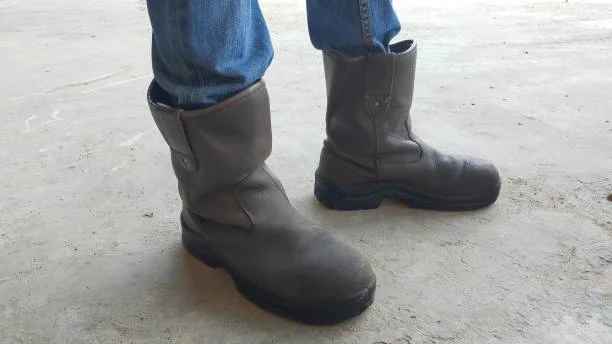
Pull on boots are designed without laces or zippers, allowing the wearer to easily slip them on and off. Elastic side panels or pull tabs provide flexibility and ease of entry while maintaining a secure fit. Common styles include Chelsea boots, work-grade pull on safety boots, and Western-inspired designs. Their versatility makes them suitable for construction sites, farms, warehouses, workshops, and casual environments.
Fit: The Foundation of Comfort
1. Getting the Right Size
Proper fit is essential for all boots, especially pull on styles. Since they lack adjustable laces, sizing must be accurate. The boot should feel snug around the heel and instep while allowing enough room in the toe box for natural movement. A boot that is too loose can cause heel lift and blisters, while one that is too tight may restrict circulation.
2. Heel Fit and Slip
Some heel slip is normal when breaking in new pull on boots, but excessive movement indicates poor fit. Over time, quality leather boots will mold to your feet. Look for a secure heel cup and firm ankle support to prevent instability during walking or working.
3. Width and Arch Support
Men with wider feet should look for boots offered in multiple width options. Adequate arch support is also critical, particularly for long hours on hard surfaces. Many high-quality pull on boots are compatible with orthotic insoles, allowing for customised comfort.
Key Features to Look For
1. Safety Toe Options
For work environments, safety toe protection is essential. Pull on boots are available with steel toe, composite toe, or alloy toe caps. Steel toes offer maximum impact protection, while composite toes are lighter and ideal for environments requiring electrical hazard resistance.
2. Slip-Resistant Outsoles
Slip resistance is a critical feature, especially for worksites with wet, oily, or uneven surfaces. Look for rubber or TPU outsoles with deep tread patterns designed to provide traction and stability. Certified slip-resistant boots add an extra layer of confidence.
3. Waterproofing and Weather Protection
Waterproof pull on boots are ideal for outdoor and industrial work. Features such as waterproof membranes, sealed seams, and treated leather uppers help keep feet dry in wet conditions. Breathable linings also prevent moisture buildup inside the boot.
4. Durability and Construction
High-quality construction determines how long your boots will last. Full-grain leather uppers offer superior durability and resistance to wear. Double or triple stitching, reinforced stress points, and sturdy elastic side panels all contribute to long-term performance.
5. Cushioning and Shock Absorption
Comfort during long shifts depends on effective cushioning. Look for boots with cushioned midsoles made from EVA or polyurethane, which help absorb shock and reduce foot fatigue. Padded collars and moisture-wicking linings further enhance comfort.
Functionality: Matching Boots to Your Needs
1. Worksite Demands
For construction, mining, or industrial settings, prioritise safety-rated pull on boots with protective toe caps, puncture-resistant midsoles, and electrical hazard protection. These features ensure compliance with workplace safety standards while maintaining ease of use.
2. Outdoor and Farm Use
Farmers and outdoor workers benefit from boots with waterproofing, high abrasion resistance, and strong grip. Pull on boots designed for rugged terrain provide stability and durability while allowing quick removal when moving between tasks.
3. Everyday and Casual Wear
For casual or semi-formal use, Chelsea-style pull on boots offer a sleek appearance with everyday comfort. These boots focus more on style and comfort rather than heavy-duty protection, making them suitable for office environments or social settings.
Breaking In Your Pull On Boots
Even the best boots require a break-in period. Start by wearing them for short periods to allow the leather to soften and conform to your feet. Thick socks can help reduce friction during this phase. Avoid prolonged wear in harsh conditions until the boots feel comfortable and flexible.
Maintenance and Care Tips
Proper care extends the life of your pull on boots. Clean dirt and debris regularly using a soft brush. Condition leather boots to prevent cracking and drying. Allow boots to dry naturally if they become wet, avoiding direct heat sources that can damage materials. Replacing worn insoles and resoling when necessary can also restore comfort and performance.
Common Mistakes to Avoid
- Choosing style over function for work environments
- Ignoring width and arch support needs
- Buying boots without slip-resistant or safety features when required
- Failing to break in boots properly
Avoiding these mistakes ensures your investment delivers long-term comfort and protection.
Conclusion
Men’s pull on boots offer unmatched convenience, durability, and versatility. By focusing on fit, evaluating key features, and selecting functionality suited to your lifestyle or work environment, you can find the perfect pair to meet your needs. Whether you’re working on a demanding job site, spending long hours outdoors, or looking for a stylish everyday boot, the right pull on boots will provide comfort, protection, and reliability for years to come.
Invest wisely, care for your boots properly, and you’ll enjoy the benefits of a well-fitted, high-performance pair of men’s pull on boots every step of the way.