
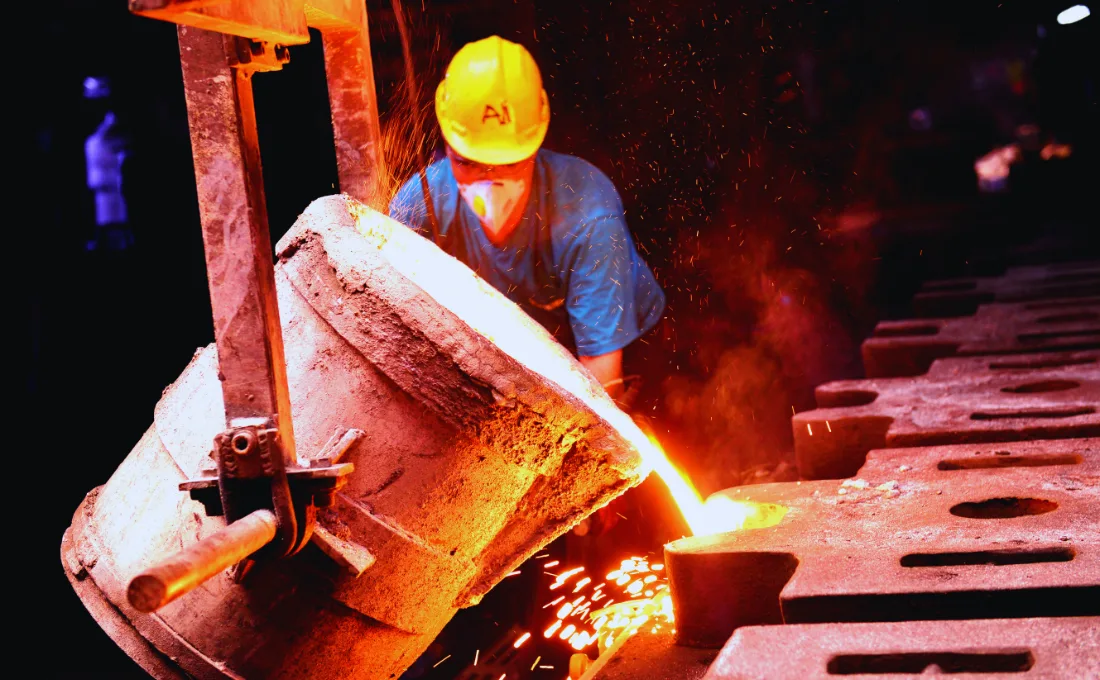
Selecting the right melting products for an industrial operation is a decision with far-reaching consequences. The choice affects everything from product purity and production efficiency to energy costs and workplace safety. With numerous options available, from low-melting-point alloys to advanced furnace systems, making an informed decision requires a structured approach. At Equip Way Engineering Services Private Limited (EES), our 15 years of experience in the import and export of engineering goods have taught us that successful procurement starts with understanding the fundamentals. This guide outlines three key steps to help you navigate the selection process with confidence.
Step 1: Match Melting Products to Your Application
The first step is understanding exactly what you need your melting products to achieve. Industrial melting is not a one-size-fits-all process—it serves different purposes across different industries .
Reshaping and Forming
One of the most common applications of melting is to transform solid materials into complex shapes. In metal casting, metals are heated in a furnace until they become fully liquid, then poured into molds to create everything from engine blocks to intricate components . Similarly, glass manufacturing relies on melting raw materials like silica sand at extreme temperatures to produce bottles, windows, and fiber optics .
Creating New Materials
Melting is also essential for combining elements to create alloys with enhanced properties. Steel (iron and carbon), bronze (copper and tin), and countless other high-performance materials are produced through this precise melting and mixing process . Some operations also require melting solid products out of barrels for further processing, a common task in the chemical and petroleum industries .
Altering Material Properties
The most sophisticated use of melting involves manipulating a material's internal structure. This can include material purification—separating impurities as dross during melting—or modifying crystalline structures for specific outcomes like demagnetizing steel . Different families of alloys exist for these varied purposes, with eutectic alloys melting completely at a specific temperature and non-eutectic variants transitioning through a slushy semi-liquid state first .
Step 2: Consider Operational Requirements and Trade-offs
Once you've defined the application, evaluate the operational demands of the melting products you're considering.
Energy Consumption
Bringing materials to their melting point requires enormous thermal energy. This makes melting one of the most energy-intensive manufacturing processes, representing a major operational cost . Low-melting alloys offer an advantage here, melting at temperatures from 107°F to 338°F and requiring less energy input . Understanding this thermal signature is critical for calculating total cost of ownership.
Precision and Control
Product quality is directly tied to temperature control. Overheating can degrade materials, while underheating leads to defects or failed batches . For instance, molten metal must be poured at precise temperatures to avoid imperfections in the final casting. Similarly, hot melt adhesive systems require careful temperature management—overheating degrades the adhesive, while underheating causes clogging .
Contamination Risk
In their molten state, many materials are highly reactive and can absorb impurities from the surrounding atmosphere or the crucible containing them . This requires controlled environments and careful handling. For barrel melting operations, specialized units with internal heating systems and sealed chambers help maintain product integrity while managing vapors .
Step 3: Plan for Maintenance and Long-Term Reliability
A robust preventive maintenance program is essential for any melting equipment or melting products system. Regular servicing prevents small issues from developing into catastrophic failures and extends the useful life of assets .
Daily and Monthly Checks
Preventive maintenance (PM) involves regularly servicing equipment on a predetermined schedule. For induction melting systems, daily checks include inspecting for water leakage, checking output bus bars for discoloration, and confirming ground and leak detectors are operating . Monthly inspections involve cleaning and lubricating selector switches, retightening electrical connections, and testing system interlocks .
For furnace-specific maintenance, operators should check for hydraulic fluid leaks, inspect furnace linings for cracks, and ensure water-cooled leads move freely without abrasion . These routine practices keep equipment performing reliably.
Scheduled Overhauls
Annual PM services are more involved and generally require a plant shutdown . These comprehensive inspections include draining and replacing hydraulic fluid, cleaning strainers, flushing lines, and inspecting reservoir interiors . Semi-annual shutdowns provide an ideal opportunity for these deeper maintenance procedures.
Supplier Support and Sourcing
The quality of melting products is only as good as the supply chain behind them. When sourcing internationally, verifying supplier credentials is essential. Look for operational metrics like on-time delivery rates and reorder rates, which indicate reliability and customer satisfaction . Request material certifications and consider independent inspections to verify quality before shipment. At EES, we apply these rigorous evaluation standards, ensuring the high-quality melting solutions we import and export meet stringent global standards from inquiry to delivery.
FAQ
What are the different types of melting products used in industry?
Industrial melting products include low-melting alloys (bismuth, tin, lead combinations), high-temperature refractory metals (tungsten, molybdenum), and various furnace systems. The choice depends on the application—whether you're casting, creating alloys, or purifying materials .
How do low-melting alloys differ from standard alloys?
Low-melting alloys melt at lower temperatures, typically between 107°F and 338°F, making them ideal for applications where high heat would damage other materials. They're used in soldering, pipe bending, and lens blocking systems .
How do I choose the right melting product for my operation?
Start by defining your application—are you reshaping, creating new materials, or altering properties? Then evaluate energy consumption, precision requirements, and contamination risks. Finally, ensure your supplier provides quality documentation and maintenance support .
What maintenance is required for melting equipment?
Regular inspections for leaks, discoloration, and wear are essential. Daily checks include verifying safety interlocks and ground detectors. Monthly maintenance involves tightening connections and cleaning components. Annual shutdowns allow for comprehensive system overhauls .
What should I consider when importing melting products?
Verify supplier credentials through operational metrics like delivery and reorder rates. Request material certifications and consider pre-shipment inspections. Understand customs duties and documentation requirements for your country. A reliable partner can help navigate these complexities .