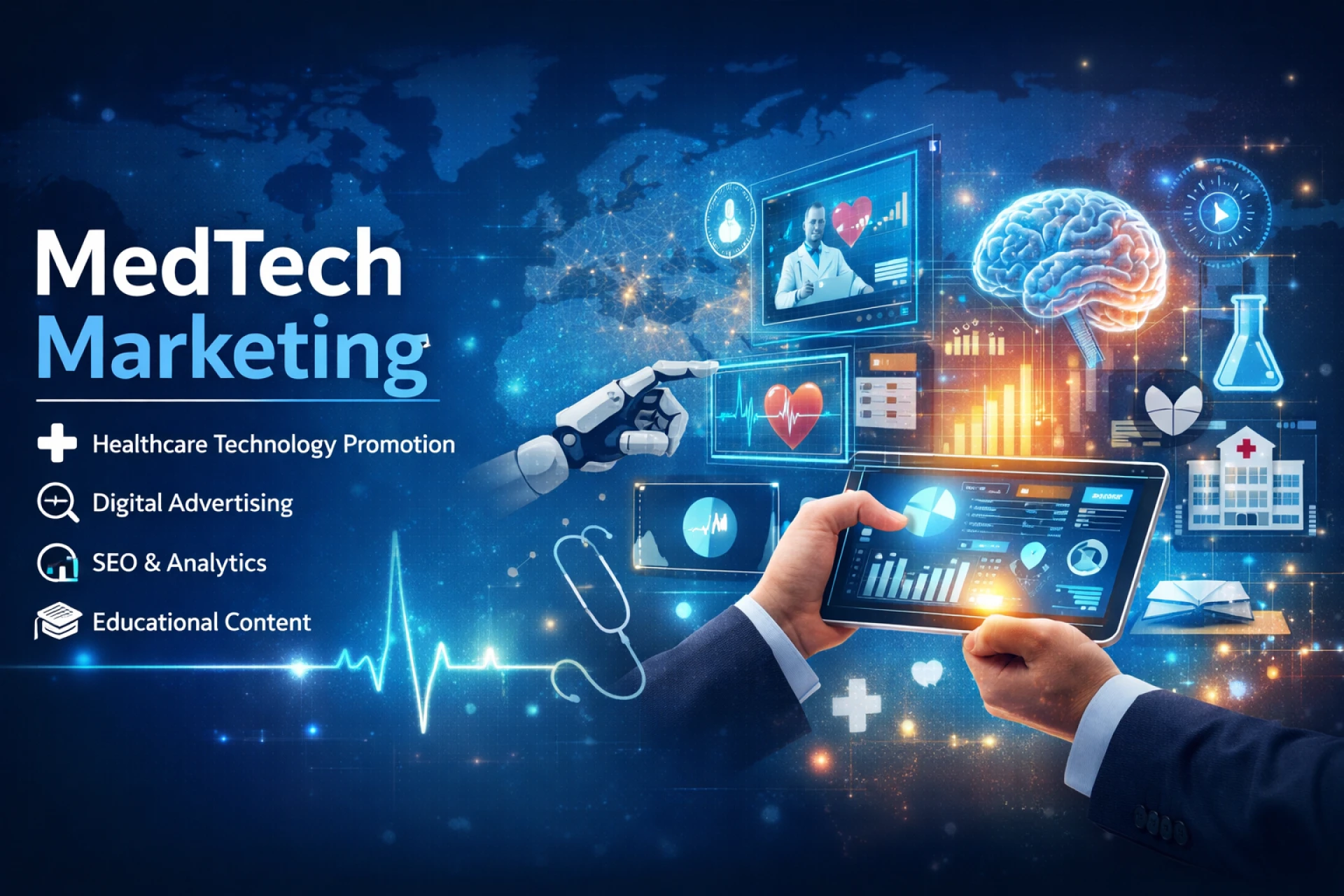
MedTech marketing has become a critical component for companies operating in the rapidly evolving healthcare technology landscape. As innovations in medical devices, diagnostics, and digital health solutions continue to transform patient care, the need for strategic and compliant marketing has never been greater. MedTech marketing focuses on promoting advanced healthcare technologies while ensuring accuracy, trust, and adherence to strict regulatory standards.
Understanding MedTech Marketing
MedTech marketing refers to the promotion of medical technologies, including devices, software, and healthcare solutions, to a targeted audience such as healthcare professionals, hospitals, clinics, and sometimes patients. Unlike traditional marketing, it requires a blend of scientific knowledge, regulatory awareness, and strategic communication.
The goal is not just to sell a product but to demonstrate its clinical value, improve patient outcomes, and support healthcare providers in making informed decisions.
Importance of MedTech Marketing in Today’s Healthcare Industry
The global healthcare industry is becoming more competitive, with new technologies entering the market at a rapid pace. In this environment, MedTech marketing plays a vital role in:
- Increasing product awareness among healthcare professionals
- Educating stakeholders about complex medical innovations
- Supporting adoption of new technologies
- Enhancing patient engagement and trust
- Building long-term credibility in a regulated industry
Effective MedTech marketing ensures that the right message reaches the right audience at the right time, ultimately influencing purchasing decisions and improving healthcare delivery.
Key Challenges in MedTech Marketing
Regulatory Compliance and Ethical Standards
One of the biggest challenges in MedTech marketing is adhering to strict regulations. Marketing communications must be accurate, evidence-based, and compliant with healthcare laws. Any misleading information can lead to legal consequences and damage brand credibility.
Complex Decision-Making Process
Healthcare purchasing decisions often involve multiple stakeholders, including physicians, procurement teams, and hospital administrators. This makes the sales cycle longer and requires highly targeted marketing strategies.
Communicating Technical Information
Medical technologies are often complex. Marketers must simplify technical details without losing accuracy, ensuring that the audience clearly understands the product’s benefits and applications.
Building Trust in a Sensitive Industry
Trust is essential in healthcare. MedTech companies must rely on clinical data, case studies, and real-world evidence to establish credibility among their audience.
Core Strategies for Effective MedTech Marketing
Content Marketing for Education and Engagement
Content marketing is at the heart of successful MedTech marketing. High-quality, informative content helps educate healthcare professionals and positions a brand as an industry authority.
Examples of effective content include:
- In-depth blog articles on healthcare trends
- Clinical case studies showcasing product effectiveness
- Whitepapers and research reports
- Educational videos and product demonstrations
Content should focus on solving real-world challenges and providing actionable insights rather than direct promotion.
Search Engine Optimization (SEO)
SEO plays a crucial role in improving online visibility. By incorporating relevant keywords such as “MedTech marketing,” “medical technology solutions,” and “healthcare marketing strategies” naturally into content, companies can attract organic traffic from search engines.
Optimizing website structure, metadata, and content ensures better rankings and increased discoverability.
Digital Advertising and Targeted Campaigns
Paid advertising allows MedTech companies to reach specific audiences quickly. Platforms like LinkedIn and Google Ads are particularly effective for targeting healthcare professionals and decision-makers.
Well-structured campaigns with clear messaging can generate qualified leads and improve conversion rates.
Email Marketing and Lead Nurturing
Email marketing remains a powerful tool in MedTech marketing. Personalized email campaigns can nurture leads by delivering relevant content, product updates, and educational resources.
Segmentation based on user behavior and interests helps create more meaningful engagement.
Social Media and Professional Networking
Social media platforms provide opportunities to connect with healthcare professionals, share industry insights, and build brand authority. Regular updates, thought leadership posts, and engagement with followers help strengthen online presence.
Webinars and Virtual Events
Webinars and online events are highly effective for demonstrating expertise and engaging with a targeted audience. They allow companies to present new technologies, answer questions, and build relationships with potential clients.
Role of Data and Analytics in MedTech Marketing
Data-driven decision-making is essential for optimizing MedTech marketing strategies. By analyzing user behavior, campaign performance, and engagement metrics, companies can refine their approach and improve results.
Marketing automation tools and CRM systems help streamline processes, track leads, and measure ROI effectively. Insights gained from analytics enable continuous improvement and better targeting.
Building Trust Through Evidence-Based Marketing
In the healthcare industry, trust is built through transparency and evidence. MedTech companies must support their claims with clinical data, research findings, and expert validation.
Providing accurate and reliable information not only enhances credibility but also helps healthcare professionals make informed decisions. Educational marketing plays a key role in establishing long-term relationships with stakeholders.
Emerging Trends in MedTech Marketing
The future of MedTech marketing is shaped by technological advancements and changing consumer expectations. Some key trends include:
- AI-driven personalization for targeted communication
- Video marketing for better engagement and product demonstration
- Omnichannel strategies to create seamless user experiences
- Patient-centric marketing focusing on outcomes and experiences
- Integration of digital health platforms for better connectivity
Adapting to these trends allows MedTech companies to stay competitive and relevant in a dynamic market.
Best Practices for Successful MedTech Marketing
To achieve long-term success, companies should follow these best practices:
- Focus on education rather than direct selling
- Maintain compliance with all regulatory requirements
- Use clear and simple language to explain complex concepts
- Leverage multiple marketing channels for wider reach
- Continuously analyze and optimize marketing efforts
Consistency and credibility are key factors in building a strong presence in the MedTech industry.
Conclusion
MedTech marketing is a powerful driver of growth in the healthcare technology sector. By combining educational content, digital strategies, and data-driven insights, companies can effectively promote their innovations while building trust with their audience. A well-planned approach ensures better engagement, stronger relationships, and improved adoption of medical technologies.
To achieve sustainable success in this competitive space, partnering with experts like Lisa T. Miller can help businesses implement impactful and compliant MedTech marketing strategies that deliver measurable results.