Medicated Hair Loss Treatment: What It Is, How It Works, and What to Expect
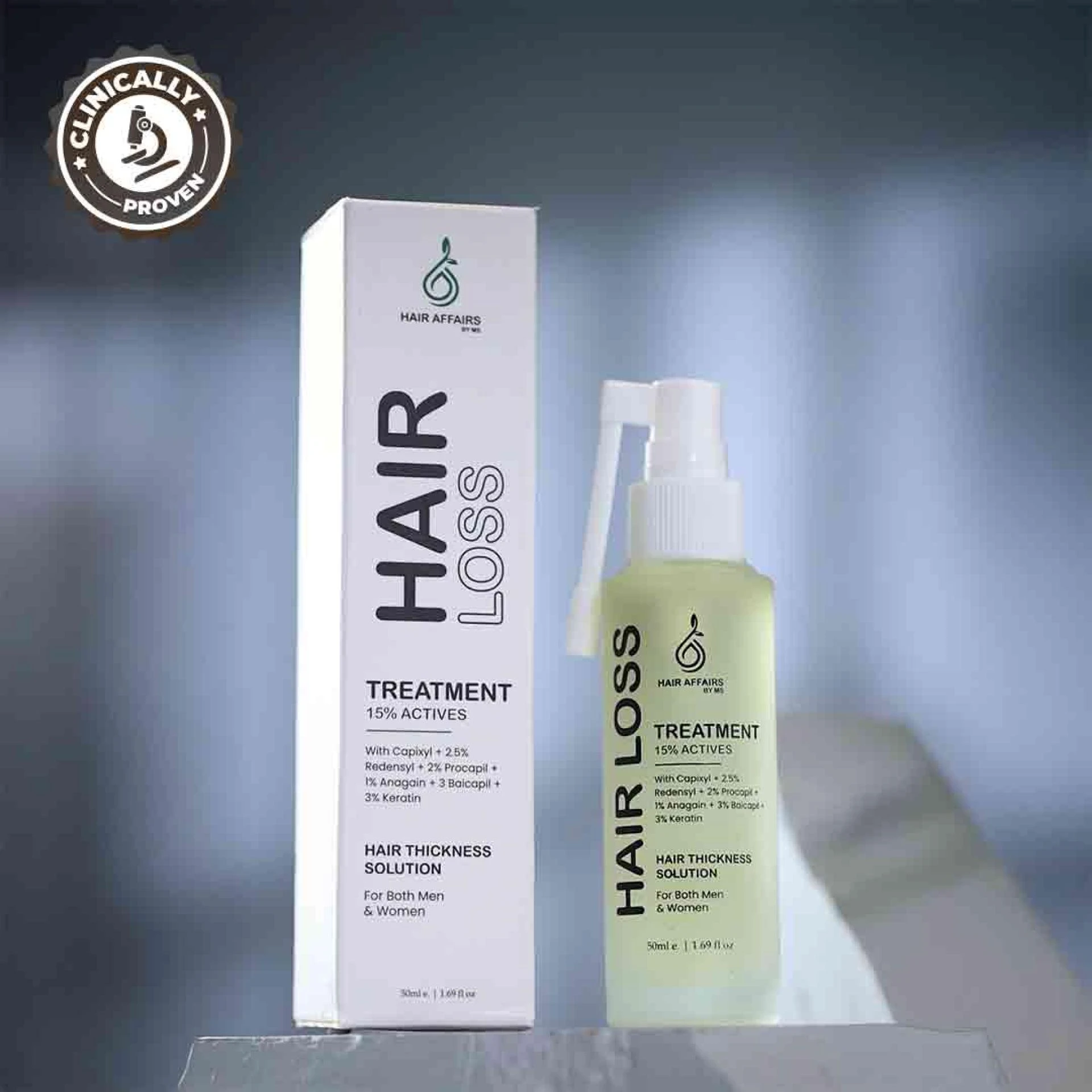
Hair loss is a concern many people share, whether due to genetics, hormones, stress, or other causes. If you're looking into options, a medicated hair loss treatment like the one offered through Hair Affairs by MS can be a powerful tool in slowing hair fall, promoting regrowth, and restoring confidence. In this article, we’ll explore what medicated treatments entail, the evidence behind them, how to use them, and what results you can realistically expect.
What is Medicated Hair Loss Treatment?
Medicated hair loss treatments are those that use pharmaceutical or clinical‐grade active ingredients—often approved or backed by scientific studies—to target hair thinning or baldness. These treatments differ from purely cosmetic or natural remedies in that they influence the biology of hair follicles, hair growth cycles, or hormone activity. They might be topical (applied to the scalp), oral (taken as pills), or a combination.
Some common active ingredients include:
- Minoxidil – Widely used topical solution or foam.
- Finasteride – Oral or topical, reduces the hormone DHT that contributes to pattern hair loss.
- Dutasteride, spironolactone, and others in special cases.
How do These Treatments Work?
To understand how medicated treatments work, it helps to look briefly at how normal hair growth and loss occur:
- Hair goes through cycles: growth (anagen), transition (catagen), rest/shedding (telogen).
- In many forms of hair loss—especially pattern or androgenetic alopecia—the growing phase shortens, follicles shrink (miniaturize), and hairs become thinner and fewer.
- Hormones (like dihydrotestosterone, or DHT) play a big role in some types of hair loss, particularly in men but also in women.
Medicated treatments act in several ways:
- Stimulating follicle activity – For example, minoxidil is thought to prolong the growth (anagen) phase and increase blood flow to the follicles.
- Suppressing hormone action – Finasteride works by inhibiting 5α‐reductase, an enzyme that converts testosterone to DHT. Lower DHT can reduce follicle shrinking.
- Supporting scalp health – Some treatments reduce inflammation, infections, or other scalp conditions that exacerbate hair loss.
What to Expect When Using Medicated Treatment
To get the best out of a medicated hair loss treatment (such as the product on the Hair Affairs by MS site), you’ll want to be realistic and committed. Here’s what the journey often looks like:
- Diagnosis First
- Before starting any medicated treatment, it's good to determine the cause of hair loss—genetic, hormonal, nutritional, medical (e.g. thyroid), or stress. A dermatologist or specialist often helps with this.
- Time to See Results
- Most treatments need several months to show visible improvement—often three to six months, sometimes up to a year. Hair first becomes thicker, denser; shedding slows.
- Ongoing Use
- If you stop using the treatment, the effects often reverse, and hair loss may resume. Consistency and patience are key.
- Monitoring & Side Effects
- Regular check‐ins with a healthcare provider help catch any adverse effects early (skin irritation, hormonal changes, etc.). Only use treatments appropriate to your gender, age, health status.
Why Choose a Medicated Treatment Like Hair Affairs by MS
If you're considering the medicated hair loss treatment from Hair Affairs by MS (as per their product page), here are reasons why this route may be preferable:
- Quality & Formulation: Medicated treatments typically use clinically tested concentrations and formulations, ensuring stability, proper delivery to the scalp, and consistent action.
- Targeted results: Rather than just masking hair loss, medicated treatments aim to act at the follicle level—to slow or even reverse follicular miniaturization.
- Support & Guidance: Brands that specialize tend to offer directions, follow‐ups, or complementary tips (nutrition, scalp care) which improve success.
Caveats & Who May Not Be a Good Fit
- Some medicated treatments are only approved or widely used in specific demographics (e.g., finasteride mostly in men, minoxidil formulations may differ for women).
- If you have certain medical conditions (heart problems, hormonal disorders, are pregnant), certain treatments may be unsafe.
- Results vary: early intervention typically yields better outcomes; longstanding baldness (where follicles are completely gone) may not respond.
Bottom Line
Medicated hair loss treatments offer one of the most scientifically robust ways to address hair thinning, pattern baldness, and related issues. They work best when started early, used consistently, and under guidance. If you're considering Hair Affairs by MS’s medicated hair loss treatment, expect a period of commitment, realistic expectations, and that you might see visible improvement over months rather than overnight. With proper use, many people are able to slow their hair loss, improve hair density, and regain confidence.