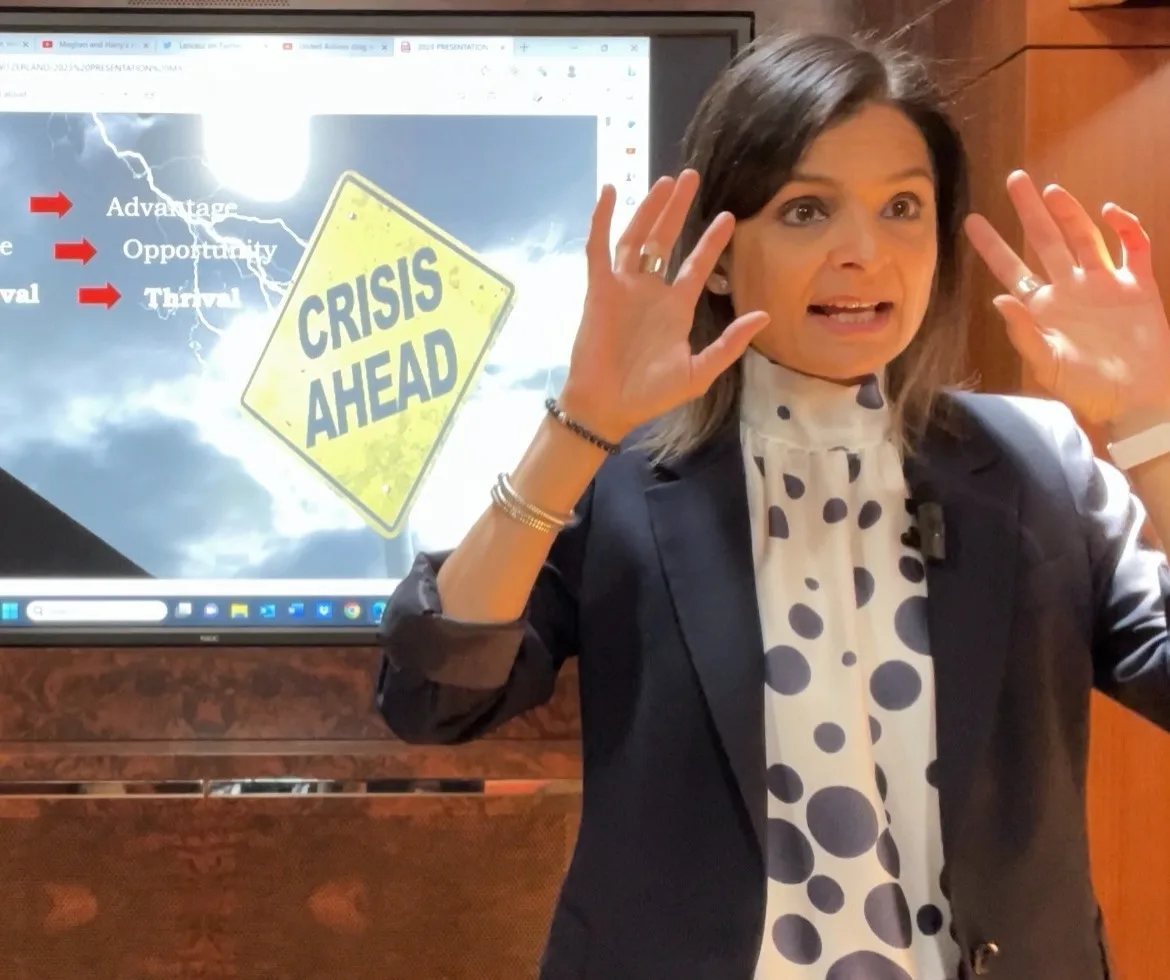
When a crisis happens, executives may have to speak with the media with very little time to prepare. Whether it is a product issue, workplace incident, customer complaint, or other unexpected situation, knowing how to respond clearly can make a big difference.
A crisis interview can be challenging because journalists may ask difficult questions or bring up issues that an executive was not expecting. Without proper preparation, it is easy to become nervous, give unclear answers, or say something that creates further confusion.
This is why media training is important for executives. Media training in Montreal helps business leaders prepare for interviews, handle difficult questions, stay focused on their key messages, and communicate with confidence during challenging situations.
Why Crisis Interviews Are Different
A normal media interview might focus on a company's latest product, an industry trend, or a new initiative.
A crisis interview is different.
The journalist may be looking for answers about what went wrong, who was responsible, what the organization knew, and what happens next. Some questions may be direct. Others may challenge the assumptions behind the organization's response.
Executives can easily fall into one of two traps.
They may become defensive and say too much, or they may become so cautious that their answers sound evasive.
Neither approach helps build confidence.
The goal is not to control the journalist. The goal is to communicate accurately, calmly, and responsibly while making sure the audience understands what the organization is doing.
Start Preparing Before the Interview
One of the biggest mistakes an executive can make is treating preparation as something that begins when the camera starts rolling. Good crisis communication begins much earlier.
Before agreeing to an interview, ask a few basic questions:
- What exactly has happened?
- What information has been confirmed?
- What information is still being investigated?
- Who has been affected?
- What action has the organization already taken?
- What action is being taken next?
- What does the public need to understand?
- Which questions are likely to be difficult?
These questions help separate facts from assumptions. \They also make it easier to develop a small number of clear messages rather than trying to remember an entire speech.
Develop Three Messages You Can Return To
During a difficult interview, executives often try to answer every question with a completely new explanation.
That can create unnecessary complexity. Instead, identify two or three important messages before the interview.
For example, an organization responding to a service disruption might need to communicate:
- What happened and what is known.
- What the organization is doing about it.
- What customers can expect next.
These messages should be supported by facts, not slogans.
The objective is not to avoid questions. It is to make sure that, even during a difficult conversation, the audience comes away understanding the most important information.
This type of message discipline is one of the practical skills developed through professional media training.
What Should You Do When You Don't Know the Answer?
This is one of the most uncomfortable moments in a crisis interview. A journalist asks a question and the executive simply does not have the information.
Guessing is risky.
So is inventing an answer because silence feels uncomfortable. A better approach is to acknowledge the limitation honestly.
You might say:
“We don't have that information confirmed yet, and I don't want to speculate.”
Then explain what is known and, where appropriate, what the organization is doing to find the answer.
Credibility is not built by pretending to know everything. It is built by being accurate about what you know, what you do not know, and what you are doing next.
Difficult Questions Should Be Expected
Executives should not prepare only for the questions they hope journalists will ask.
They should prepare for the questions they would rather avoid.
That might include:
- Why didn't your organization act sooner?
- Who is responsible?
- Did you know about the problem?
- How much will this cost?
- Why should customers trust you?
- Has anyone been disciplined?
- Are you admitting responsibility?
- What would you say to people who feel let down?
The purpose of preparing for these questions is not to memorize perfect responses.
It is to think through the facts and the organization's position before pressure makes it harder to do so.
Practising aloud can also reveal problems that are difficult to notice when answers exist only on paper.
An answer may look clear in a document but sound defensive, complicated, or incomplete when spoken.
Don't Let Nervousness Take Over
Cameras can change how people communicate.
Some executives speak too quickly. Others over-explain. Some lose eye contact or rely heavily on memorized language.
These reactions are normal.
The solution is not to pretend that the pressure does not exist. It is to practise under conditions that resemble the real interview.
This is one reason hands-on media training can be valuable.
Renu Bakshi, a former journalist and news anchor, brings more than 35 years of experience in media, and crisis communication. Her professional background includes 21 years in journalism and broadcasting, followed by more than 14 years working with corporate clients on complex issues and communications.
Her approach is built around practical preparation rather than simply teaching people how to appear polished.
What Media Training in Montreal Can Actually Teach Executives
Professional media training can address different challenges depending on the executive, organization, and situation.
Renu Bakshi's Montreal media training services include executive and corporate media training, crisis media training, government and healthcare media training, on-camera training, spokesperson coaching, social media crisis management, and public speaking and presentation coaching.
Her training also uses simulated interview situations to put participants under realistic pressure.
That matters because reading advice about interviews is very different from actually being questioned.
According to her Montreal training program, participants work on areas such as understanding different interview formats, handling difficult questions, developing messages, staying on message, camera readiness, and responding when a journalist calls unexpectedly.
The practical element is particularly useful for executives who may have little experience speaking with journalists.
Crisis Communication Goes Beyond the Interview
A media interview is only one part of a crisis.
An organization may also need to communicate with employees, customers, regulators, partners, investors, community members, and social-media audiences.
If each group receives a completely different version of the story, confusion can grow quickly. That is why crisis communication and media preparation should work together.
Renu Bakshi also provides crisis management services, helping organizations prepare for and respond to high-pressure situations. Her work includes crisis readiness, response strategy, stakeholder communication, and reputation-focused communication. Her site notes that she has worked with global brands, chief executives, professional athletes, and emergency first responders on crisis needs.
For an Montreal executive facing a major public issue, that broader perspective can be just as important as preparing for the interview itself.
The Best Interview Answer Is Not Always the Longest
When executives are nervous, they often believe that giving more information makes an answer stronger.
Not necessarily.
Long answers create more opportunities for confusion, contradiction, and unintended statements.
A strong response should answer the question, provide useful context, and return to the most important information.
That does not mean avoiding accountability.
If the organization made a mistake, acknowledging it can be more credible than trying to explain it away.
If an investigation is ongoing, say so.
If action has been taken, explain what action.
If people have been affected, recognize that impact.
Clear communication is often more persuasive than complicated communication.
Preparation Builds Confidence
Confidence in a crisis interview does not necessarily come from being naturally charismatic.
It comes from preparation.
An executive who has already considered difficult questions, practised concise answers, tested key messages, and experienced realistic interview pressure is less likely to be surprised when the real interview happens.
That is the practical value of media training in Montreal and similar programs.
The objective is not to create executives who sound scripted.
It is to help them remain themselves while communicating with greater clarity, discipline, and confidence when the pressure rises.
Final Thoughts
For Montreal executives who regularly represent an organization publicly, working with an experienced media trainer can turn those principles into practical skills.
With more than three decades of experience spanning journalism, media training, crisis communication, and corporate issues, Renu Bakshi brings a perspective shaped by both the newsroom and the corporate war room. Her services range from executive and corporate media training to crisis communication, on-camera coaching, spokesperson training, and public-speaking support.
Ultimately, effective crisis communication is not about finding a perfect sentence.
It is about being prepared enough to communicate honestly and clearly when the pressure is at its highest.