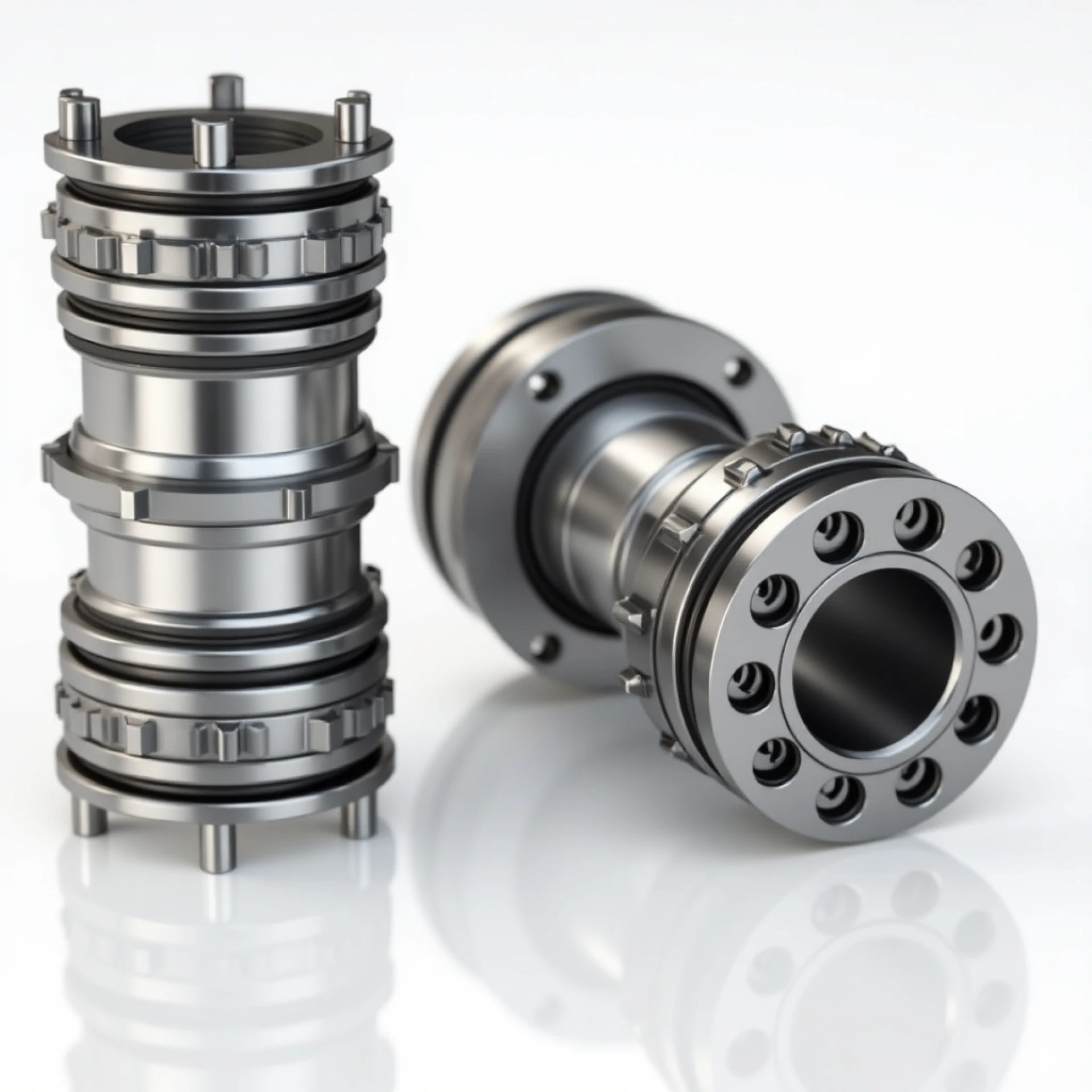
Introduction: The Hidden Hero of Machine Efficiency
In the world of mechanical engineering and industrial machinery, smooth and efficient performance isn’t just a bonus—it’s essential. One small but mighty component that plays a huge role in that process is the flexible coupling. These underrated parts might not get the spotlight, but they are the quiet guardians of your systems, ensuring that misalignments don’t lead to breakdowns and costly downtime.
Whether you’re running heavy-duty equipment or precision instruments, using flexible couplings can dramatically improve operational reliability. Let’s dive into what makes them essential, the various types, and how they bring value to any application.
What Are Flexible Couplings?
A flexible coupling is a device used to connect two shafts together at their ends for the purpose of transmitting power. Unlike rigid couplings, these are designed to accommodate misalignment, absorb shock loads, and allow some degree of end movement. This flexibility helps protect the connected components and prolongs machinery life.
Why Flexible Couplings Are Crucial in Industry
In any rotating system, perfect alignment is nearly impossible. That's where flexible shaft connectors shine. They offer advantages such as:
- Vibration damping
- Shock load absorption
- Thermal expansion tolerance
- Ease of maintenance
- Reduced transmission noise
These features make flexible couplings vital in industries like manufacturing, power generation, oil and gas, food processing, and marine operations.
Types of Flexible Couplings
There’s no one-size-fits-all in coupling solutions. Each system may require a specific type, including:
1. Jaw Couplings
Perfect for light to medium-duty applications, offering excellent shock absorption and simple maintenance.
2. Disc Couplings
Used in applications where high torque and precise alignment are necessary. They’re compact yet powerful.
3. Grid Couplings
Ideal for heavy-duty machinery where vibration damping and torque transmission are critical.
4. Elastomeric Couplings
Often made of rubber or plastic materials, they reduce noise and vibration, making them suitable for applications with misalignment.
Each of these industrial power connectors serves different purposes, allowing engineers to match couplings with specific operational needs.
Materials and Construction
Flexible couplings are crafted from various materials like stainless steel, aluminum, bronze, and high-grade polymers. The choice of material depends on operating temperature, torque requirements, chemical exposure, and environmental conditions.
For example:
- Metallic couplings offer strength and durability.
- Polymer-based couplings provide better flexibility and noise reduction.
Choosing the Right Flexible Coupling
When selecting the ideal shaft coupling, consider these factors:
- Torque capacity
- Operating speed
- Misalignment tolerance
- Environmental conditions
- Maintenance frequency
Ignoring these aspects can lead to mechanical failure or reduced efficiency.
Applications of Flexible Couplings
These couplings are not limited to one domain. They are crucial in:
- Pumps and compressors
- Conveyors and fans
- Mixers and agitators
- Machine tools
- HVAC systems
Their versatility and adaptability make them a staple in many industrial sectors.
Advantages Over Rigid Couplings
While rigid couplings are effective in specific conditions, they lack tolerance for misalignment. In contrast, flexible couplings prevent bearing wear and seal damage by accommodating axial, radial, and angular misalignments.
Maintenance Tips for Longevity
Even the best mechanical power transmission solutions need care:
- Regular inspections: Check for wear, cracks, or misalignment.
- Lubrication: Some couplings need periodic greasing.
- Tighten fasteners: Ensure bolts and set screws are secure.
A small effort in maintenance goes a long way in preventing costly downtime.
Conclusion: Get Flexible, Stay Reliable
Flexible couplings may not be flashy, but they are foundational to smooth and safe machine operations. Their ability to adapt to misalignments, reduce noise, and absorb vibrations ensures that your systems run efficiently and last longer. Whether you're upgrading equipment or building a new system, choosing the right coupling is a smart investment.