
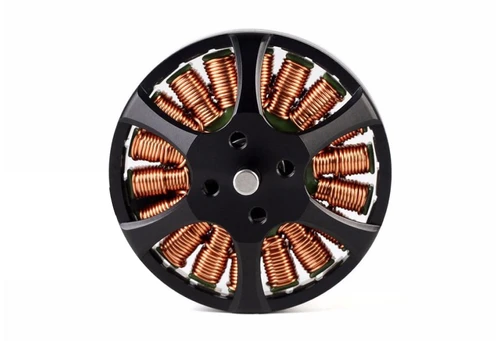
The world of drone technology is evolving at a breathtaking pace, sparking significant innovations in fields ranging from logistics to cinematography. At the core of this transformation are Brushless DC (BLDC) motors, which bring unmatched efficiency and performance to the table. However, for drone manufacturers and UAV developers, truly harnessing the power of these motors requires a solid understanding of how to Controlling BLDC Motors effectively. In this article, we’ll explore the nuances of BLDC motor control and see how it shapes UAV propulsion systems and the aerospace engineering landscape.
Understanding BLDC Motors
BLDC motors are the beating heart of many advanced drones, celebrated for their efficiency and reliability. Unlike traditional brushed motors that rely on brushes that wear out over time, BLDC motors are built to last, offering greater durability and efficiency. Their unique design allows for better control over speed and torque, which is essential for the precise maneuvering needed in drones and UAVs.
Why Control Matters
Mastering the control of BLDC motors is crucial for optimizing drone performance. When control systems are effective, they lead to better motor efficiency, extended battery life, and improved flight dynamics. For drone manufacturers and UAV developers, excelling in this area can provide a significant edge in a competitive market.
Key Techniques for Controlling BLDC Motors
Controlling BLDC motors involves a range of advanced techniques to ensure peak performance. Here are some key methods:
1. Electronic Speed Controllers (ESCs): These components are essential for regulating the motor's speed by adjusting the power output. ESCs convert DC from the battery into three-phase AC, which powers the motor. Advanced ESCs can even feature regenerative braking and motor timing adjustments, enhancing overall motor efficiency and responsiveness.
2. Pulse Width Modulation (PWM): This technique fine-tunes the power delivered to the motor. By varying the width of the pulses sent to the motor, developers can carefully adjust the motor's speed and torque, allowing for precise control over drone movements.
3. Field-Oriented Control (FOC): This method steps up performance by managing the magnetic field inside the motor. FOC ensures the motor works with maximum efficiency, leading to smoother and more stable flights.
The Impact on UAV Propulsion Systems
The efficiency and control of BLDC motors have a direct effect on UAV propulsion systems. Here are some key benefits:
- Enhanced Maneuverability: With precise control over speed and torque, drones can maneuver smoothly and responsively—crucial for tasks such as aerial photography or package delivery.
- Energy Efficiency: Effective motor control means less energy consumption, which extends the drone's flight time. This is especially advantageous for applications that require long-distance travel or prolonged hover times.
- Reliability and Durability: Well-controlled BLDC motors experience less wear and tear, which helps improve the longevity and reliability of the drone's propulsion system.
Innovations in Manufacturing
Manufacturers are always pushing the envelope to improve how we control and utilize BLDC motors. Recent advancements in materials, like the use of carbon fiber for propellers, have helped reduce drone weight, allowing for better motor performance. Plus, the integration of sophisticated software algorithms lets manufacturers monitor and adjust operations in real time, ensuring optimal performance under varying conditions.
Future Trends in BLDC Motor Control
The future of controlling BLDC motors in drone technology looks bright, with several emerging trends:
- Artificial Intelligence (AI): AI-driven control systems are being developed to autonomously adapt motor parameters for optimal efficiency and performance, adjusting to environmental changes on the fly.
- IoT Integration: The Internet of Things (IoT) is paving the way for more interconnected systems, enabling remote monitoring and control of motor performance—crucial for large-scale drone operations.
- Sustainable Energy Solutions: As the quest for eco-friendly technology intensifies, manufacturers and developers will increasingly focus on creating sustainable energy sources alongside more efficient motor control systems.
Conclusion
In the fast-paced world of drone technology, mastering the control of BLDC motors is crucial for building superior UAV propulsion systems. For drone manufacturers and aerospace industry professionals, investing time and resources into advanced control techniques can not only boost performance and efficiency but also unlock new avenues for innovation. As we look ahead, the fusion of cutting-edge technologies will continue to redefine what’s achievable in aerospace engineering.
By embracing these control strategies, the next generation of drones will be more efficient, reliable, and capable than ever, driving progress across various industries and reshaping our understanding of what unmanned aerial vehicles can accomplish.