When you begin your crochet or knitting adventure to create something extraordinary, one skill that you need is understanding the term "gauge." It is key to give your knitted or crocheted piece a perfect fit.
In the beginning, you might feel gauge as a mathematical concept, but it's a magic in motion that measures the number of stitches per inch. So, keep calm and avoid heartbreak tomorrow because the perfect gauge is equal to a happy maker. In this guide, let's understand how to master gauge with worsted-weight yarn.
Does the right gauge in the project matter?
The number of stitches and rows that fit into a specific measurement is known as gauge, like a 4-inch (10 cm) square of knitted or crocheted fabric. It's a mindful step towards an ideal creation. To get a perfect fit, make a swatch first and match it with the pattern's specified gauge requirements; it doesn't matter whether you make a sweater or a scarf. There are three factors that you need to consider when working with worsted-weight yarn:
- The yarn size and thickness.
- Needle or hook size.
- Your stitching style and tension control.
Worsted Weight Yarn—Balance of softness and strength
This beautiful yarn lies in the middle of the yarn scale. It's durable, smooth, balanced, elegant, and ideal for creating fantastic memories. This is also called medium-weight yarn or category 4 yarn. This hand-dyed yarn is made of extrafine Merino worsted fiber, which makes cables and colorwork patterns easy.
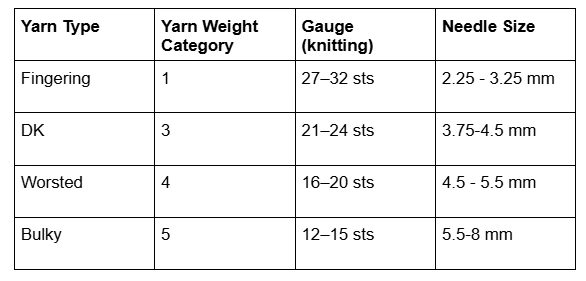
Here is the comparison with other yarns
Steps to Check Gauge
Follow these simple steps below.
Step 1: First, choose the right needle or hook size
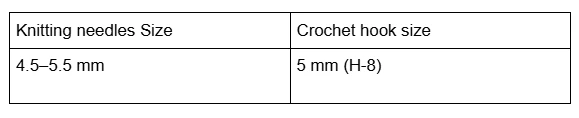
Check out the size in your pattern. Suppose you want to knit with worsted-weight yarn; you need:
Step 2: Don't ignore making a swatch
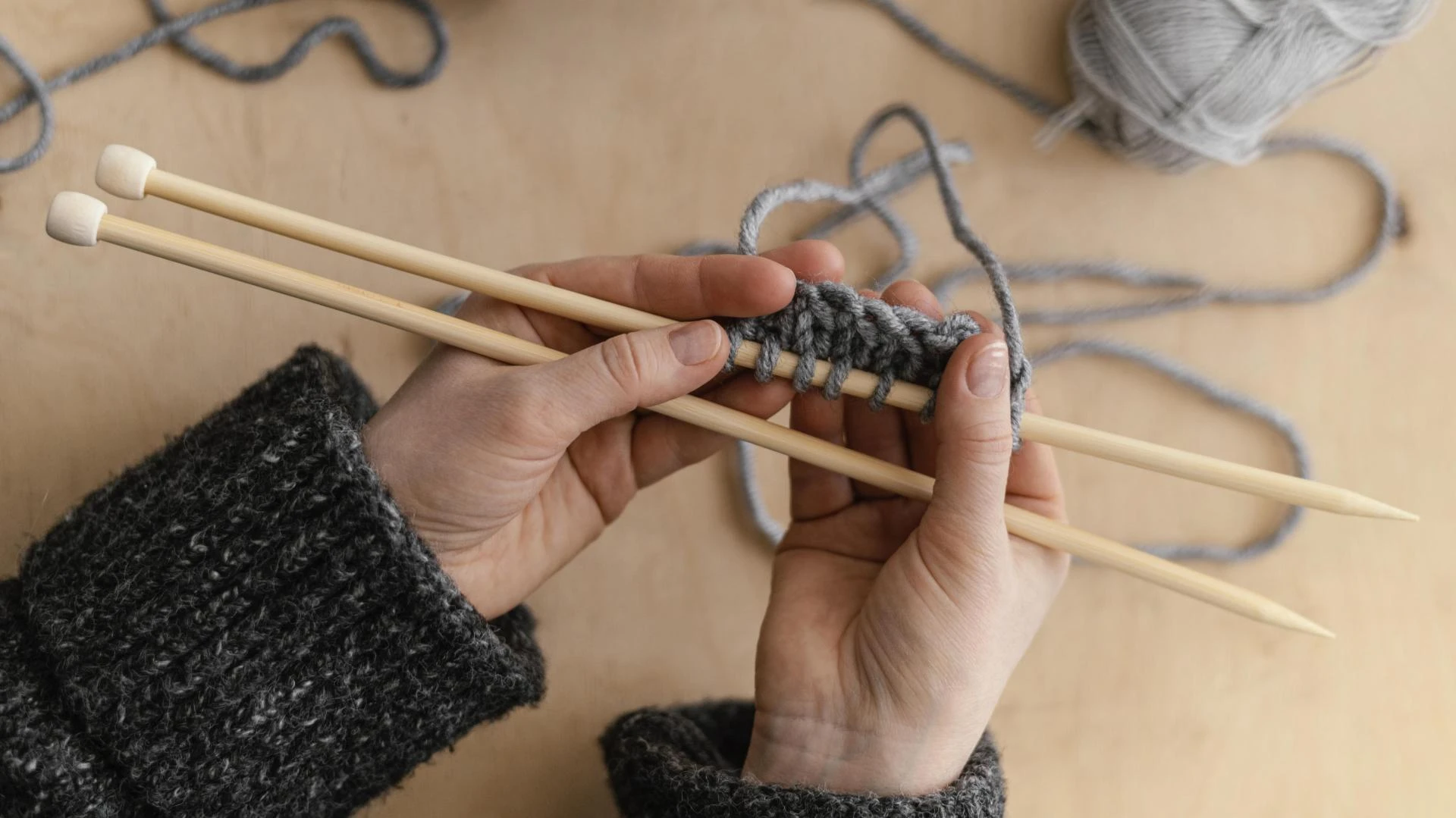
- Cast about 25-30 sts for knitting, using any cast-on method like the Then decide on your stitch pattern, for example, stockinette, and make about 4-5 inches.
Step 3: Measure Your Swatch
- This step is crucial because you will be measuring. After making a swatch of fabric, lay this on a flat surface, but don't stretch it; otherwise, you won't get the right result. After that, place a ruler or gauge tool over the center of the fabric and count the stitches.
For example, you might get a knitting gauge of 18 sts × 24 rows = 4".
In the end, compare this to your pattern’s gauge.
Step 4: Make an Adjustment if it's required
- In case you get more stitches per 4 inches, it means your fabric is smaller; change the needle size.
- If you have fewer stitches (your fabric is larger), switch to a smaller size.
Swatching Tips for Beginners
- Always block your swatch before you start measuring. You can also wash and dry it to check the final touch of the fabric.
- Make sure you use the same technique and tension you’ll use in your project.
- Mark the edges of your measuring area using contrasting yarn for accuracy.
- Lastly, label your swatches with the needle/hook size and yarn details for future reference.
How to Prevent Gauge Issues?
Try out these tips:
- Check out your grip because a looser or tighter hold changes your stitch size.
- Change the needle material. Suppose with a metal needle, you get a tighter gauge than with wood or bamboo.
- Don't switch yarns between projects because it may alter the gauge, even if you see the same size in both brands. Swatch when starting a new hand-dyed yarn.
- Whether knitting or crocheting, the best yarn for knitting or yarn for crochet depends on fiber content, strength, durability, and how it feels against the skin.
Gauge is a way to achieve the perfect size and precision in your project, and learning it correctly helps in mastering gauge with worsted-weight yarn, boosting your confidence. Once you know how to control your fabric’s size, texture, and drape, your future creation will thank you.
Understanding gauge is essential for perfect-fitting crochet and knitting projects. Gauge measures the number of stitches and rows within a 4-inch square, influenced by yarn weight, needle or hook size, and stitching tension. Worsted-weight yarn, a balanced and versatile medium-weight option, offers durability and smoothness—ideal for sweaters, scarves, and textured designs. Always make a swatch, measure accurately, and adjust your tools if needed. Factors like grip and needle material can affect results.