
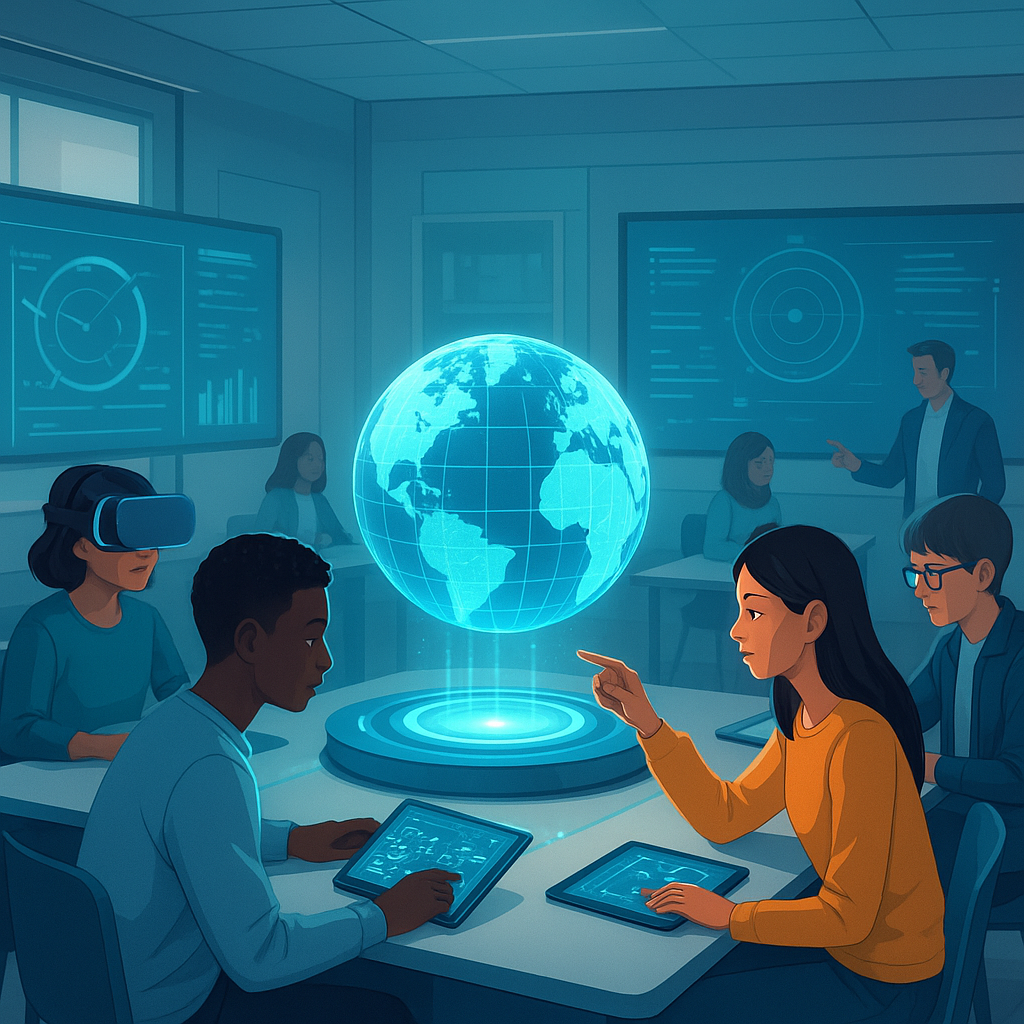
Setting the Stage: A Classroom Transformed by Technology
Imagine a classroom in 2026 where students engage with personalized learning modules on augmented reality headsets, collaborating with peers across the globe in real-time virtual environments. This scene is far from science fiction; it encapsulates the rapid evolution of educational technology (EdTech) that has redefined how knowledge is consumed and imparted. According to UNESCO’s latest reports, over 85% of schools worldwide now integrate at least one form of digital learning technology in daily instruction, a figure that has doubled since 2020.
Yet, the promise of EdTech is not automatic. The mere presence of technology in education does not guarantee improved outcomes. The real challenge lies in how educators, institutions, and developers optimize these tools to foster engagement, equity, and effectiveness. This article explores expert tips that harness the full potential of EdTech, drawing on the latest trends, data, and frontline experiences shaping education in 2026.
From Chalkboards to AI Tutors: The Evolution of EdTech
The trajectory of EdTech over the past decade is a testament to how education adapts to technological shifts. The early 2020s saw widespread adoption of Learning Management Systems (LMS) like Canvas and Moodle, primarily as repositories for course materials and asynchronous learning. However, limitations emerged: many students found these platforms disengaging, while instructors grappled with data overload without actionable insights.
By 2024, the infusion of artificial intelligence (AI) and data analytics began to transform these static systems into adaptive learning environments. Companies such as Cerebro Learning and NextGenEdTech introduced AI-driven tutors that customized content based on individual learning styles and pace, a leap forward from one-size-fits-all models. A 2025 EdTech Industry Report estimated that adaptive learning platforms increased student retention rates by nearly 30% in pilot programs across North America and Europe.
This evolution was also influenced by broader educational shifts. The pandemic accelerated blended and remote learning adoption, highlighting the need for scalable digital tools designed with pedagogical principles at their core. Accessibility became paramount, with innovations ensuring inclusivity for differently-abled students, such as voice-to-text and haptic feedback technologies.
Core Strategies for Maximizing EdTech Impact
Experts emphasize that successful EdTech integration requires more than technology deployment; it demands strategic implementation aligned with educational goals. The following are five expert-validated tips that consistently emerge in top-performing EdTech initiatives:
- Prioritize Learner-Centered Design: Platforms must adapt to diverse learner needs, offering personalized pathways. Incorporating AI-driven diagnostics helps identify knowledge gaps and tailor interventions.
- Ensure Educator Empowerment and Training: Teachers equipped with ongoing professional development can leverage EdTech tools effectively, transforming from content deliverers to facilitators of interactive learning.
- Integrate Data Analytics for Continuous Improvement: Real-time data dashboards provide actionable insights, enabling educators to adjust instruction dynamically and policymakers to monitor equity and performance metrics.
- Promote Collaborative and Experiential Learning: Features like virtual labs, simulation games, and peer-to-peer forums foster deeper engagement and higher-order thinking skills.
- Embed Accessibility and Inclusivity: Universal design principles ensure technology benefits all students, regardless of socioeconomic status or physical ability.
“EdTech’s true power lies in its capacity to personalize learning at scale, but this potential can only be unlocked when educators are central to the process,” says Dr. Lina Morales, Chief Innovation Officer at EduNext.
These strategies align closely with findings in the recent Harnessing AI and Data: Advanced Strategies Transforming EdTech Today, which highlights the symbiotic relationship between data, AI, and human facilitation.
2026 Developments: AI and Immersive Tech Redefining Boundaries
The year 2026 marks a significant leap in EdTech sophistication. AI-powered systems now not only adapt content but also interpret emotional and cognitive states through biometric data, adjusting difficulty and support in real time. According to the International Education Technology Association, over 60% of K-12 schools in developed countries have adopted AI tutors capable of nuanced emotional recognition.
Moreover, immersive technologies such as mixed reality (MR) have become mainstream. Platforms like VirtuLearn and HoloClass leverage MR to create interactive historical reenactments and scientific experiments, enabling students to 'experience' concepts rather than passively consume information. Early adopters report a 40% increase in student motivation and a 25% improvement in knowledge retention.
Additionally, blockchain-based credentialing has gained traction, offering secure, verifiable records of skills and micro-credentials that transcend traditional diplomas. This shift is particularly impactful for lifelong learning and workforce reskilling initiatives.
“The convergence of AI, MR, and blockchain in education is not futuristic—it is happening now, reshaping how knowledge is validated and experienced,” notes Saeed Khan, CEO of Edvanta Technologies.
TheOmniBuzz's feature Why EdTech’s Next Wave Will Transform Learning Forever provides further insights into these trends, underscoring the irreversible transformation underway.
Expert Perspectives: Educators and Developers on the Frontline
Insights from educators and developers reveal crucial considerations often overlooked in EdTech adoption. Dr. Amina Patel, a veteran high school principal in Chicago, stresses the indispensable role of community engagement: “Technology must complement the cultural and contextual realities of schools. When we involved parents and students in choosing platforms, adoption and outcomes improved significantly.”
Meanwhile, developers emphasize interoperability and ethical AI use. Jonathan Lee, Lead Engineer at MindNest, explains that “fragmented systems create barriers; seamless integration across LMS, assessment tools, and external resources is essential. We also implement strict fairness audits to mitigate algorithmic bias.”
These voices highlight a growing consensus that EdTech success hinges on holistic ecosystems rather than isolated tools. This approach aligns with global initiatives promoting ethical AI in education, ensuring transparency and student data privacy.
Looking Ahead: Navigating the Future of EdTech
As EdTech matures, several critical trends merit close attention. First, the democratization of AI tools promises to lower barriers for under-resourced institutions, but only if accompanied by infrastructure investments and digital literacy programs. Second, ethical frameworks governing data use and AI decision-making will become increasingly vital amid growing concerns over privacy and equity.
Furthermore, the integration of social-emotional learning (SEL) modules powered by AI is expected to accelerate. These systems will provide personalized support for mental health and interpersonal skills, areas traditionally underserved in digital education.
Finally, the role of human educators will evolve but remain central. Technology will augment, not replace, the nuanced judgment and empathy teachers provide, a theme echoed in the latest research from education think tanks worldwide.
- Invest in continuous professional development tailored to emerging EdTech tools.
- Adopt multi-modal learning approaches combining AI, MR, and traditional methods.
- Establish transparent governance for AI ethics and data privacy.
- Foster partnerships between schools, developers, and communities for contextualized solutions.
- Prioritize inclusivity to bridge digital divides both regionally and socioeconomically.
By embracing these principles, education systems can ensure that EdTech fulfills its promise of equitable, engaging, and effective learning experiences for all students.
For further reading on how technology is reshaping education beyond traditional settings, see How EdTech Is Redefining Learning Beyond the Classroom Walls.