Music is more than just notes; it is about timing, rhythm, and flow. Every musician, whether a beginner or a professional, struggles with keeping a consistent tempo. A strong sense of timing is crucial in creating smooth and professional-sounding music. This is where a Tempo Trainer comes into play. A tempo trainer helps you practice timing, build rhythm skills, and improve overall musical performance. By using a tempo trainer, musicians can ensure they play at the correct speed, avoid rushing or dragging, and develop a natural feel for rhythm. In this article, we will explore everything about tempo trainers, their benefits, and practical ways to use them.
Understanding What a Tempo Trainer Does
A Tempo Trainer is a device or software that helps musicians control and improve their timing. Unlike a standard metronome, which simply produces a steady beat, many tempo trainers offer advanced features such as gradual speed increases, rhythm patterns, and visual feedback. These tools are designed to help you internalize timing, making it easier to maintain a consistent rhythm when performing.
The primary function of a tempo trainer is to set a desired tempo and allow you to practice your instrument or voice along with it. Some tempo trainers have features like “tap tempo,” where you tap the beat, and the device calculates your tempo. Others provide rhythmic subdivisions to challenge your timing precision. Using a tempo trainer regularly helps you understand how long each note lasts, improving your ability to play accurately and confidently in both solo and group settings.
For beginners, a tempo trainer can be a guiding tool to avoid common mistakes such as speeding up unintentionally. For advanced musicians, it helps polish rhythm accuracy, especially when practicing complex pieces or syncopated rhythms. In short, understanding what a tempo trainer does is the first step in mastering rhythm.
Benefits of Using a Tempo Trainer Daily
Using a Tempo Trainer every day has several benefits for musicians of all levels. First, it enhances your sense of timing. When you consistently practice with a tempo trainer, your internal clock becomes more precise, helping you maintain a steady rhythm even without external devices.
Second, it improves your musical accuracy. Notes and beats played at the correct time sound cleaner and more professional. Musicians who ignore timing often end up with sloppy performances. By practicing daily with a tempo trainer, you train your brain and muscles to move in sync with the beat, making every performance more precise.
Another key benefit is confidence. When you know you can rely on your timing, you feel more confident while performing in front of an audience. This reduces stress and makes practice sessions more productive. Furthermore, a tempo trainer can make learning complex rhythms easier. By breaking down tricky sections and practicing them slowly, you gradually increase speed without losing accuracy.
Daily use of a tempo trainer also promotes discipline. Music practice requires patience and consistency. Incorporating a tempo trainer into your daily routine ensures structured practice sessions that gradually lead to mastery. Over time, these small improvements accumulate, resulting in noticeable growth in your musical abilities.

Choosing the Right Tempo Trainer for You
Choosing the right Tempo Trainer is essential for maximizing its benefits. There are many types available, from simple mechanical metronomes to advanced digital devices and smartphone apps. Your choice should depend on your musical goals, instrument, and level of expertise.
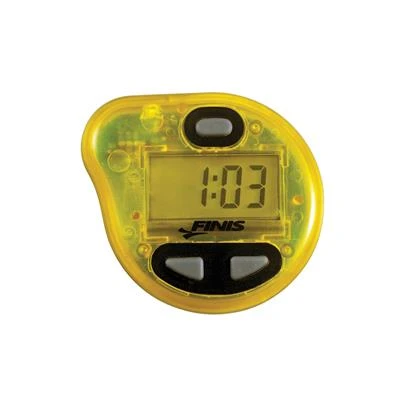
Mechanical tempo trainers are simple, reliable, and easy to use. They produce a ticking sound and are perfect for beginners who need a basic tool to understand rhythm. Digital tempo trainers, on the other hand, offer more features like customizable rhythms, visual displays, and sound variations. They are ideal for musicians who want to explore complex rhythms and gradual tempo adjustments.
Mobile apps have become increasingly popular because they are portable and often free or affordable. Many apps include interactive exercises, practice logs, and even games to make practicing fun. When choosing a tempo trainer, consider factors like portability, battery life, and ease of use. It’s also important to ensure that the device allows you to set different tempos and rhythms according to your practice needs.
Ultimately, the right tempo trainer is one that you enjoy using consistently. If it feels complicated or frustrating, you may avoid using it regularly. Look for a tool that motivates you to practice daily while offering features that challenge and improve your timing skills.
How to Practice Effectively with Tempo Trainer
Using a Tempo Trainer effectively requires more than just turning it on and playing along. The key is structured practice. Start by selecting a comfortable tempo that allows you to play accurately. Begin slowly, focusing on hitting each beat precisely. Accuracy is more important than speed at this stage.
Next, gradually increase the tempo as you become comfortable. Many tempo trainers have a gradual speed feature, allowing you to move from slow to fast without losing control. Practice challenging passages multiple times, breaking them into smaller sections if needed. Pay attention to both rhythm and musical expression; the goal is to play in time without losing the musicality of the piece.
Another effective strategy is to practice with rhythmic subdivisions. For example, if a song has eighth notes, try practicing them as sixteenth notes to refine precision. Visual feedback, if available on your tempo trainer, can help you see where your timing drifts. Record yourself periodically to evaluate improvement.
Consistency is critical. Even short daily sessions of 15–20 minutes can lead to significant progress over time. Mixing up exercises, tempos, and rhythms keeps practice interesting while pushing your timing skills further. A structured and focused approach ensures that the tempo trainer becomes a powerful tool for building lasting rhythm mastery.
Common Mistakes Musicians Make Using Tempo Trainer
Even though a Tempo Trainer is a simple tool, musicians often make mistakes that limit its effectiveness. One common mistake is setting the tempo too fast initially. Playing too quickly leads to sloppy timing and bad habits. It’s essential to start slow and gradually increase speed.
Another mistake is ignoring consistent practice. Using a tempo trainer irregularly reduces its impact. Timing is a skill that improves through repetition and daily reinforcement. Skipping practice sessions slows progress and makes rhythm improvement inconsistent.
Many musicians also focus too much on speed rather than accuracy. Hitting every note correctly at a slower tempo is far more valuable than playing fast with mistakes. Additionally, some players fail to use rhythmic subdivisions or ignore visual feedback features, missing opportunities to refine their timing further.
Lastly, over-reliance on the tempo trainer without transitioning to playing without it can be limiting. The goal is to internalize rhythm so that even without the device, you maintain steady timing. Avoiding these mistakes ensures that the tempo trainer serves its purpose as an effective tool for rhythm development.
Integrating Tempo Trainer into Live Performances
A Tempo Trainer is not just for practice; it can also improve live performance skills. By internalizing rhythm with a tempo trainer, musicians develop a natural sense of timing that is crucial on stage. Practicing with a tempo trainer helps performers stay synchronized with other band members, backing tracks, or accompaniment.
For live performances, you can use the tempo trainer during rehearsals to simulate performance conditions. This prepares you for tempo changes, syncopation, and challenging rhythmic patterns. Musicians who practice this way are less likely to rush or drag during a show.
Additionally, tempo trainers can aid in maintaining consistent energy throughout a performance. By mastering tempo control, performers can dynamically adjust pace without losing rhythm. This is especially helpful in ensemble settings, where coordination with others is essential.
Ultimately, integrating a tempo trainer into your practice and performance routine bridges the gap between technical skill and musical expression. The more comfortable you are with timing, the more confident and expressive your live performances will be.
Conclusion
A Tempo Trainer is an essential tool for musicians of all levels. It improves timing, enhances accuracy, builds confidence, and prepares musicians for both practice and live performance. Choosing the right trainer, practicing effectively, avoiding common mistakes, and integrating it into performances can transform your rhythm skills. Consistent use of a tempo trainer ensures steady progress and a deeper understanding of musical timing, leading to smoother and more professional performances.
Questions and Answers
Q1: What is the difference between a metronome and a tempo trainer?
A: A metronome provides a steady beat, while a tempo trainer often includes advanced features like gradual speed changes, rhythmic subdivisions, and visual feedback to improve timing more effectively.
Q2: How often should I practice with a tempo trainer?
A: Daily practice of 15–30 minutes is ideal. Consistency is more important than duration. Regular sessions help internalize rhythm and improve timing steadily.