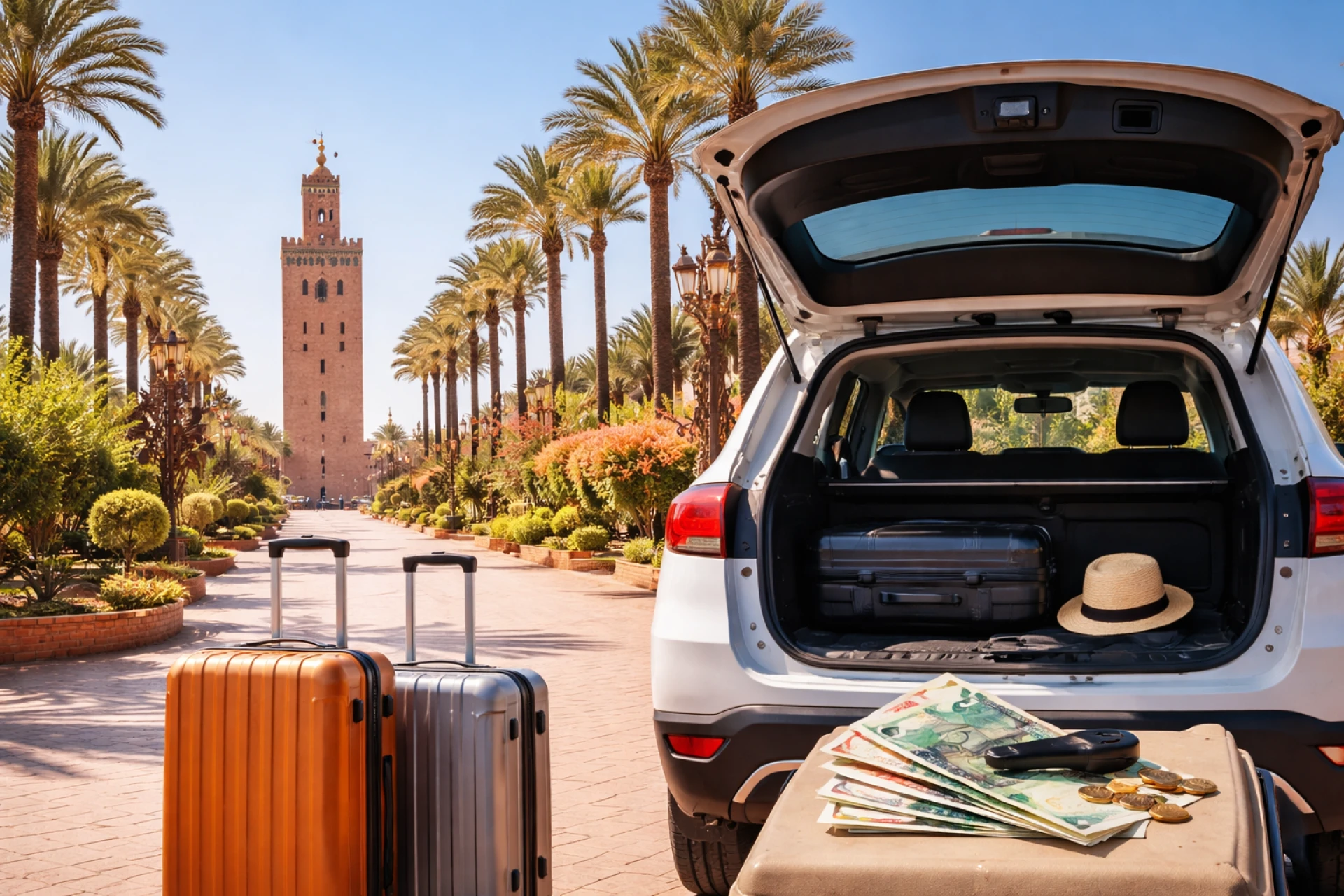
A lot of travelers land in Marrakech expecting a simple rental: pay the total, leave a deposit, drive away. Then they hear a new phrase at pickup: “cash deposit.” Sometimes it’s offered as a helpful workaround when you don’t have a credit card. Other times it shows up because your card isn’t accepted for holds, or because the agency wants a different kind of security for certain cars and seasons.
Cash deposits can be totally legitimate in Marrakech, but they come with specific rules you should understand before you hand over money. The goal of this guide is to help you spot what’s normal, what’s risky, and what to do to protect yourself so the deposit comes back smoothly.
If you’re comparing local offers, start with MarHire and browse clear categories under car rental so you can see policy options upfront instead of learning them at the counter.
Table of Contents
- What a cash deposit actually means in Marrakech rentals
- When cash deposits are offered (and why)
- What’s normal: amounts, receipts, and conditions
- The 7 things to watch before you hand over cash
- Cash deposit vs card hold: what changes in your contract
- Insurance and liability: the detail most tourists miss
- Return-day steps to get your deposit back fast
- Safer alternatives if cash deposit feels risky
- FAQ
What a cash deposit actually means in Marrakech rentals
A deposit is security. It exists so the agency can cover costs if something goes wrong during the rental—damage, missing fuel, unpaid fines, missing equipment, or late return penalties. With a credit card, this is often handled as a pre-authorization hold, meaning money is blocked but not taken. With cash, the agency physically holds your money and returns it later if everything checks out.
Two key differences with cash deposits:
- Proof and paperwork matters more. With a card hold, your bank statement is the evidence. With cash, your receipt and handover notes are everything.
- Return timing can vary. Many agencies return cash immediately after inspection, but not all do, some link it to fine checks or internal verification.
Cash deposits aren’t automatically a red flag. They’re just a different system, and you should treat it with a slightly more careful process.
When cash deposits are offered (and why)
Cash deposits tend to show up in Marrakech in a few predictable situations:
1) You don’t have a credit card (or you don’t want to use it)
Some travelers only carry a debit card, or prefer not to risk a large hold on their account. A cash deposit can be offered as the alternative.
2) Your card is accepted for payment, but not for deposit holds
This is common: an agency may accept your card to pay the rental, but still require a different method for the deposit, especially if their terminal or risk policy requires certain card types for holds.
3) Peak season or higher-risk booking periods
During high demand, deposit policies can tighten. Agencies may require higher deposits, stricter rules, or more conditions, because cars are harder to replace and schedules are tight.
4) Specific car categories
The higher the car value, the more likely deposit rules get strict. Even with “cheap” rentals, policies can vary depending on model availability.
If you’re booking for Marrakech and want a clear view of options, start with Marrakech car rental and check the requirements before confirming, especially around deposit type.
What’s normal: amounts, receipts, and conditions
A “normal” cash deposit setup usually includes:
- A clearly stated deposit amount before pickup
- A written receipt (with date, amount, currency, and rental reference)
- A defined return condition (after inspection + fuel check)
- Transparent rules for deductions (damage, fuel shortfall, late return, missing items)
Tip: Always confirm the currency. In Morocco, you’ll often deal in MAD. If someone quotes a deposit in euros or dollars verbally but writes it differently, pause and clarify.
Also check whether the deposit is per rental or linked to vehicle class. A compact economy car might have different terms than an SUV or automatic.
The 7 things to watch before you hand over cash
1) No receipt (or a vague receipt)
A proper receipt should include:
- agency name
- date/time
- amount and currency
- your name (or booking reference)
- reason (“security deposit”)
- signature or stamp if possible
No receipt = no protection. Don’t proceed.
2) “We’ll return it later” with no timeline
Many agencies return cash after inspection, but if they say “later” without a clear time, ask for specifics:
- Is it returned immediately at drop-off?
- Is it returned within the same day?
- Is it returned after fine checks?
- If the timeline isn’t written, you’re relying on memory.
3) Deductions that are not defined
Contracts should clarify what can be deducted and how. Watch for unclear lines like “any damage” without thresholds, or “cleaning” without what qualifies.
4) Fuel policy traps
Fuel disputes are one of the biggest reasons deposits get reduced. Make sure you understand:
- full-to-full vs same-to-same
- refueling fees
- whether a fuel receipt is recommended at return
5) Damage standards and inspection style
Ask how inspection is done:
- Do they inspect with you present?
- Do they use a checklist?
- Are existing marks recorded?
- If they refuse a walkthrough at pickup, that’s a bad sign.
6) Fines and admin fees
Sometimes agencies keep part of a deposit to cover possible fines. If so, it should be written:
- what amount is held
- how long
- what happens if no fines appear
7) Pressure tactics
If you feel rushed, “everyone does it, sign now”, slow down. A reputable company will explain the policy calmly.
Cash deposit vs card hold: what changes in your contract
With a card hold, the most common “pain” is timing: banks can take days to release holds. With cash, release can be instant, if the process is fair and documented.
But cash deposits often come with:
- stricter inspection rules
- more emphasis on fuel level accuracy
- sometimes higher deposits for certain vehicles
- less flexibility if something is disputed later (because cash is immediate)
That doesn’t mean you should avoid cash deposits entirely. It means you should treat the pickup and return checklist as non-negotiable.
If you’re aiming to keep overall costs low, you’ll often find more flexible terms in budget categories. Start by reviewing cheap car rental in Marrakech and compare deposit rules before you commit.
Insurance and liability: the detail most tourists miss
Here’s what many travelers misunderstand: the deposit is not the maximum you could pay. It’s just the amount held as security.
Your true risk is defined by:
- your insurance coverage
- the excess (deductible) amount
- exclusions (glass, tires, underbody, roof, key loss, wrong fuel)
If your contract says the excess is higher than the cash deposit, the agency can still charge more later if damage exceeds the deposit. That’s why you must read the insurance line, especially if you’re choosing a higher-value car.
Even for economy cars, common exclusions can matter. A windshield chip or tire damage can create disputes if it isn’t covered.
Return-day steps to get your deposit back fast
The best deposit return is the one you plan for.
1) Refuel smart
If full-to-full, return it clearly full. If same-to-same, match the level and let the gauge settle before drop-off.
2) Clean out the car
Remove trash, check seat pockets, trunk, and glove box. Missing items sometimes become “cleaning” or “loss” claims.
3) Take a complete photo set
Do a quick 12-photo set:
- 4 corners, 2 sides, front/back
- wheels
- windshield
- dashboard with fuel + mileage
- interior wide shot
4) Do the inspection with staff
Don’t leave keys and walk away unless you have a written confirmation. If an agent is busy, wait. It’s worth it.
5) Get written confirmation
Even a WhatsApp message like “Car received, deposit returned” is useful.
Safer alternatives if cash deposit feels risky
If a cash deposit policy feels unclear, you have options:
- Choose an agency that accepts a debit-card deposit or smaller hold
- Choose a rental with clearer full-to-full fuel rules (less chance of deductions)
- Pick a simpler vehicle category if higher-value cars require stricter deposits
- Use a provider with transparent written terms and responsive communication
A good rule: if the deposit policy is not clear before pickup, you’re more likely to have friction at return.
FAQ
Is cash deposit car rental common in Marrakech?
It exists and can be legitimate, especially for travelers without credit cards. Policies vary by agency and season.
Will I get my cash deposit back the same day?
Often yes after inspection, but not always. Get the timeline written before you pay.
What should a proper cash deposit receipt include?
Agency name, date/time, amount and currency, your booking reference, and a clear note that it’s a security deposit.
Can they deduct money for fuel?
Yes if you return below the required level. Fuel policy and refueling fees should be clearly stated.
Does the cash deposit cover everything?
No. Your contract’s insurance and excess determine your maximum liability. The deposit is only the security held upfront.
How do I avoid deposit disputes?
Document the car at pickup and return, follow fuel rules precisely, and insist on a return confirmation.