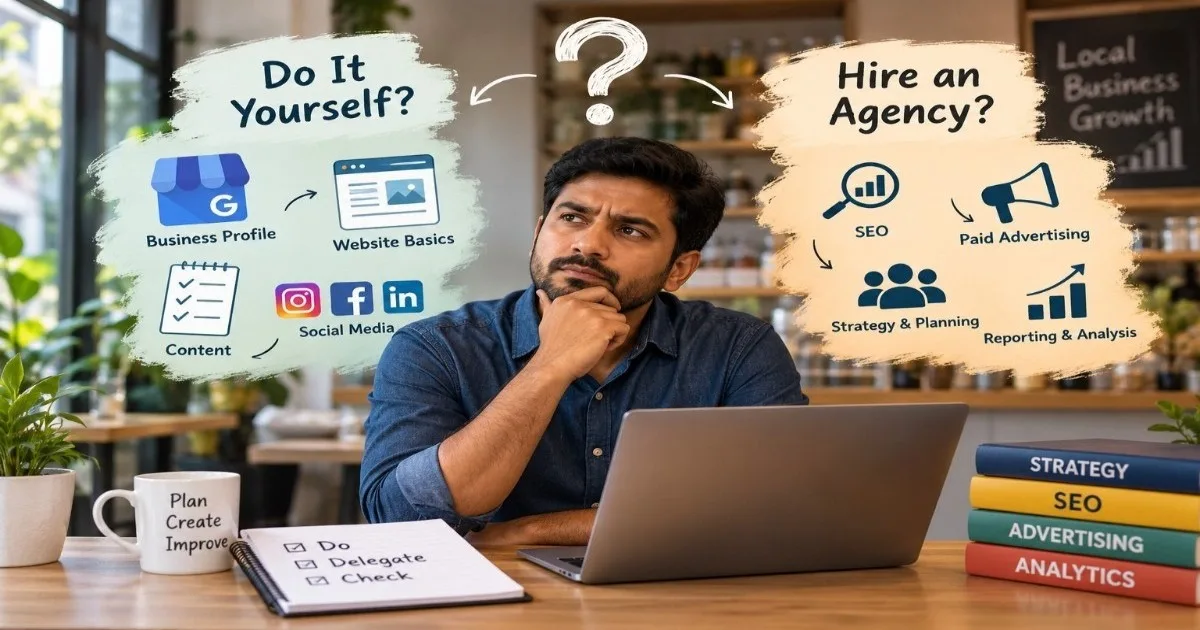
Marketing is evolving faster than ever, and by 2026, it has become one of the most dynamic career paths. With the rise of digital platforms, automation, and AI in marketing, professionals are experiencing both exciting opportunities and real challenges. If you’re considering entering this field, understanding both sides can help you make a smarter career decision.
The Growing Opportunities in Marketing Careers
One of the biggest advantages of pursuing a marketing career in 2026 is the wide range of opportunities available. Businesses across industries—from e-commerce to banking and finance—are investing heavily in marketing to stay competitive. This has created a strong demand for skilled marketers who can drive growth and engagement.
A major driver behind this growth is AI in digital marketing. Companies now rely on artificial intelligence to analyze customer behavior, personalize content, and optimize campaigns. This means marketers who understand AI tools and data analytics have a clear edge in the job market.
Some of the top opportunities include:
- Digital Marketing Specialists: Focused on SEO, social media, and paid ads
- Content Strategists: Creating engaging and valuable content
- Data Analysts: Using AI tools to interpret customer data
- Marketing Automation Experts: Managing campaigns using advanced software
In addition, remote work has opened global opportunities. Marketers can now work with international clients without leaving their homes, making this career even more attractive.
The Role of AI in Modern Marketing Careers
The integration of AI in marketing has completely transformed how campaigns are created and managed. Tasks that once took hours—like audience segmentation or performance tracking—can now be done in minutes.
For example, AI tools can:
- Predict customer preferences
- Automate email marketing campaigns
- Improve ad targeting for better ROI
- Generate content ideas and insights
This shift doesn’t replace marketers but enhances their capabilities. However, it also means professionals must continuously update their skills to stay relevant.
Challenges Facing Marketing Professionals in 2026
While the opportunities are impressive, marketing careers also come with their fair share of challenges.
One of the biggest issues is rapid technological change. With new tools and platforms emerging constantly, marketers must keep learning. Falling behind even slightly can impact career growth.
Another challenge is high competition. Since marketing is seen as a flexible and creative field, many people are entering it. Standing out requires not just basic knowledge but specialized skills, particularly in AI in digital marketing and data analysis.
There’s also the pressure of measurable results. Unlike some careers, marketing performance is directly tracked through metrics like conversions, engagement, and ROI. This can create stress, especially when campaigns don’t perform as expected.
Industry-Specific Pressures
Different industries bring their own challenges. For example, marketing in banking and finance requires strict compliance with regulations. Marketers must balance creativity with legal guidelines, which can limit flexibility.
At the same time, this sector offers high-paying roles and long-term stability, making it a rewarding option for those who can handle the complexity.
Balancing Creativity and Data
Modern marketing is no longer just about creativity—it’s about combining creativity with data-driven decision-making. Professionals must be comfortable working with analytics tools while still producing engaging campaigns.
This balance can be difficult for beginners, but mastering it is key to long-term success.
Final Thoughts
Marketing careers in 2026 offer a mix of exciting opportunities and demanding challenges. The rise of AI in marketing and AI in digital marketing has created new roles and improved efficiency, but it has also increased the need for continuous learning.
For those willing to adapt, learn new skills, and stay updated with industry trends, marketing remains a highly rewarding career—whether in tech, retail, or even banking and finance. The key is to embrace change and use it as a tool for growth rather than seeing it as a barrier.