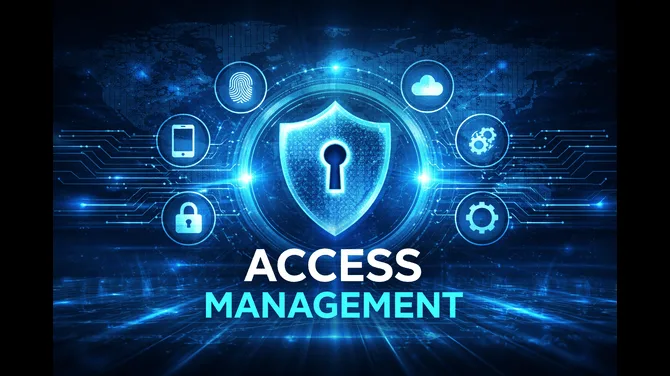
The Access Management market is rapidly evolving as organizations face increasingly complex cybersecurity threats. With the rise of digital transformation, cloud computing, and remote work, businesses must rethink how they secure user access to critical systems. The future of global Access Management solutions lies in continuous innovation, driven by advanced technologies such as Artificial Intelligence (AI), zero-trust security models, and cloud-based identity systems.
Click here for more information : https://qksgroup.com/market-research/market-forecast-access-management-2026-2030-worldwide-2756
Growing Importance of Access Management in Cybersecurity
Access Management plays a crucial role in protecting sensitive data and digital assets. As cyber threats become more sophisticated, organizations are prioritizing Identity and Access Management (IAM) to ensure that only authorized users can access critical resources.
Key drivers of this growth include:
- Increasing frequency of data breaches and cyberattacks
- Expansion of remote and hybrid work environments
- Growing adoption of cloud-based applications
Modern Access Management solutions help organizations enforce strict authentication protocols, monitor user behavior, and minimize risks associated with unauthorized access.
Rise of Zero-Trust Security Models
One of the most significant trends shaping the future of the Access Management market is the adoption of the zero-trust security model. Unlike traditional security approaches, zero-trust operates on the principle of “never trust, always verify.”
This model ensures:
- Continuous authentication and authorization of users
- Strict access controls based on user identity and context
- Reduced risk of insider threats and lateral movement
By implementing zero-trust architecture, organizations can strengthen their overall cybersecurity posture while adapting to dynamic IT environments.
AI-Driven Analytics Transforming Access Management
The integration of AI-driven analytics in Access Management is revolutionizing how businesses detect and respond to threats. AI technologies enable real-time monitoring, anomaly detection, and predictive risk assessment.
Click here for market share report : https://qksgroup.com/market-research/market-share-access-management-2024-worldwide-2776
Benefits of AI in Access Management include:
- Automated threat detection and response
- Behavioral analytics to identify unusual login patterns
- Reduced manual intervention and operational costs
As machine learning algorithms evolve, Access Management systems will become more proactive, identifying vulnerabilities before they are exploited.
Impact of Cloud and Remote Work Adoption
The shift toward cloud computing and remote work has significantly increased the need for scalable Access Management solutions. Employees now access systems from multiple devices and locations, making traditional security models insufficient.
Cloud-based Access Management solutions offer:
- Scalability and flexibility
- Centralized control of user identities
- Improved user experience with single sign-on (SSO)
This transformation is driving the demand for cloud IAM solutions, enabling organizations to maintain security without compromising productivity.
Regulatory Compliance and Data Security
As global regulations become more stringent, businesses must comply with frameworks such as GDPR, HIPAA, and other data protection laws. This has led to increased adoption of advanced Access Management systems to ensure compliance and avoid penalties.
Key compliance features include:
- Multi-factor authentication (MFA)
- Role-based access control (RBAC)
- Data encryption and secure authentication
Organizations that invest in robust Access Management frameworks can ensure regulatory compliance while protecting sensitive information.
Market Growth and Future Outlook
The global Access Management market is poised for sustained growth, driven by continuous investments in cybersecurity technologies. Businesses across industries—including finance, healthcare, retail, and IT—are prioritizing secure access solutions to mitigate risks and enhance operational efficiency.
Future trends include:
- Increased adoption of biometric authentication
- Expansion of passwordless authentication systems
- Integration of blockchain for identity verification
These innovations will redefine how organizations manage digital identities and secure access in an increasingly connected world.
Conclusion
The future of the Access Management market is shaped by innovation, evolving cybersecurity threats, and the need for stronger data protection. With the adoption of zero-trust security, AI-powered analytics, and cloud-based solutions, organizations can build resilient security frameworks.
As businesses continue to embrace digital transformation, the demand for advanced Access Management solutions will only grow. Investing in modern IAM technologies is no longer optional—it is essential for ensuring long-term security, compliance, and business success.