The global transition toward sustainable living has elevated the importance of effective energy management. Both residential and commercial sectors are increasingly seeking methods to reduce environmental impact without compromising efficiency or comfort. Daily energy decisions influence operational costs as well as long-term sustainability goals. Clean power solutions present a structured approach to balancing consumption with environmental responsibility. Understanding how energy is distributed and utilized allows for more informed planning. Technological innovation has made monitoring and controlling energy use more accessible than in previous decades.
Seasonal variations often introduce complexity into energy planning efforts. Cooling demands in warmer months and heating requirements during colder periods can significantly increase electricity consumption. Without consistent oversight, these fluctuations may lead to inefficiencies and rising costs. Awareness and education play a critical role in addressing these challenges. Small behavioral modifications can produce meaningful improvements when applied consistently. A comprehensive energy strategy combines technology, planning, and responsible usage to support year-round efficiency.
Strategic Integration of Renewable Energy Systems
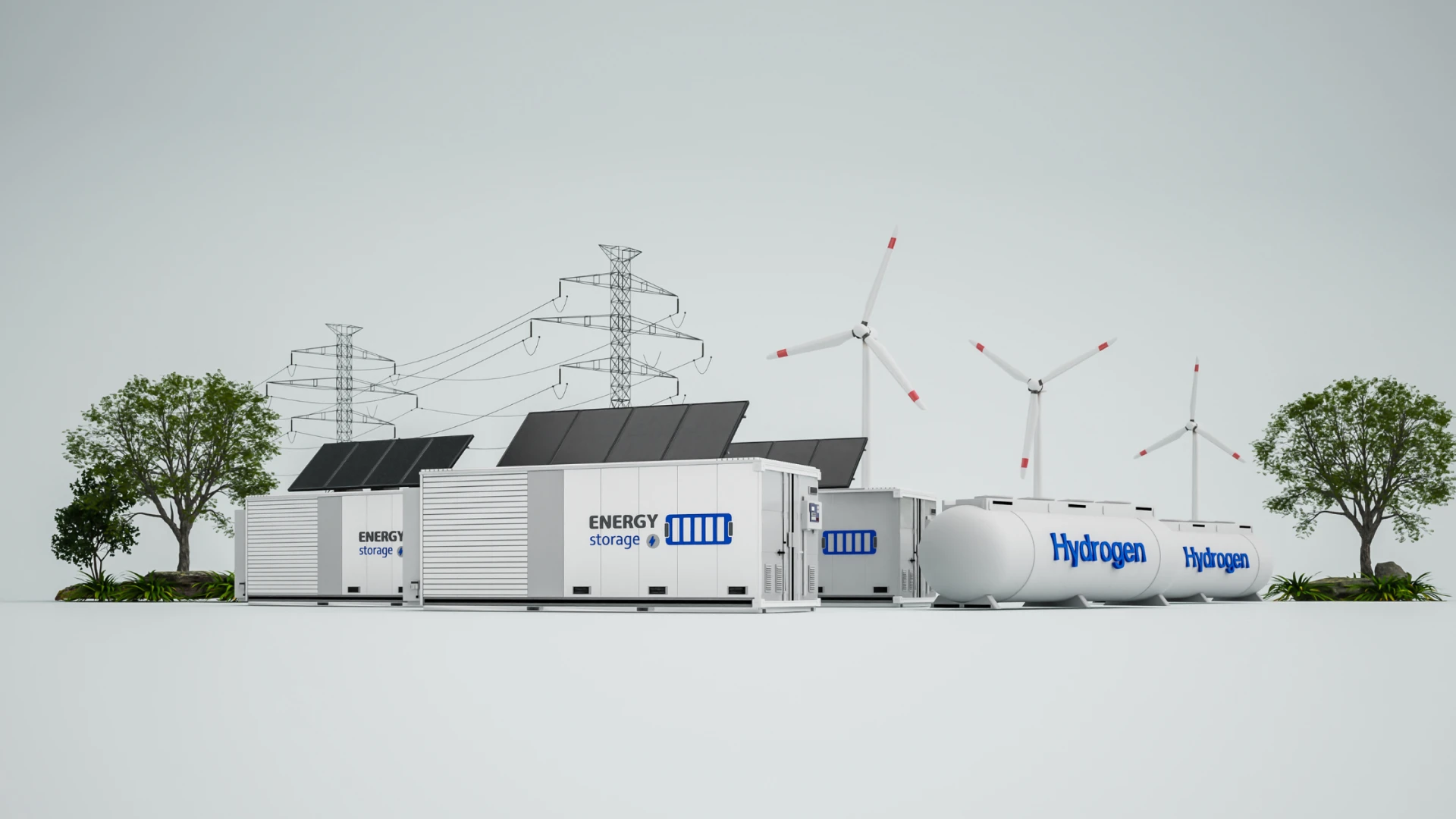
The adoption of renewable energy sources reduces dependence on traditional fossil fuels. Solar, wind, and other clean power technologies offer reliable alternatives that align with long-term sustainability objectives. These systems can significantly offset conventional electricity consumption while lowering emissions. In certain scenarios, surplus energy production may be redirected back to the power grid. Successful integration requires careful evaluation of installation costs and anticipated returns. Government incentives and regulatory support often enhance the feasibility of renewable adoption.
Michael Fallquist Think Energy underscores the importance of aligning energy generation with actual consumption patterns. Synchronizing production with peak demand periods improves operational efficiency. Energy storage solutions enable surplus power to be retained for later use. Hybrid systems that blend renewable sources with grid access enhance reliability. Ongoing maintenance ensures consistent performance and system longevity. Over time, renewable integration delivers both economic and environmental advantages.
Leveraging Smart Technologies for Enhanced Efficiency
Technological innovation has reshaped modern energy management practices. Intelligent thermostats, automated lighting, and digital monitoring platforms provide precise control over usage. These tools respond dynamically to occupancy levels, environmental conditions, and scheduling needs. Remote monitoring allows users to oversee energy performance from virtually any location. Alert systems help identify irregular consumption patterns before costs escalate. Smart technologies represent a foundational element of efficient energy planning.
Think Energy Reviews illustrate how data-driven insights contribute to improved efficiency outcomes. Detailed analytics enable users to identify opportunities for optimization. Seamless integration across appliances and climate systems creates a unified energy framework. Predictive capabilities allow systems to anticipate demand and adjust accordingly. These solutions help lower operational expenses while extending equipment lifespan. Smart energy tools successfully balance convenience with sustainability objectives.
Seasonal Planning for Stable Energy Performance
Energy demand naturally fluctuates throughout the year due to climate changes. Colder months increase reliance on heating, while warmer periods elevate cooling requirements. Anticipating these patterns prevents sudden increases in energy expenditures. Structural improvements such as insulation and weather sealing enhance efficiency. Adjusting daily routines and operational schedules also supports stability. Seasonal planning reduces strain on both financial and environmental resources.
Conducting routine energy assessments provides valuable insight into usage trends. Reviewing historical consumption data reveals recurring inefficiencies. Adaptive solutions such as programmable systems improve year-round performance. Aligning energy strategies with environmental conditions maintains comfort levels efficiently. Regular evaluation ensures responsiveness to changing demands. Proactive management fosters consistent savings and sustainability.
Working with Energy Providers and Industry Professionals
Collaboration with energy providers strengthens clean power initiatives. Utility organizations often supply tools, incentives, and educational resources. Professional consultations deliver tailored strategies suited to specific operational needs. Expert assessments uncover opportunities for improvement and renewable integration. Monitoring programs help track progress and measure effectiveness. Strategic partnerships enhance both accountability and performance.
Michael Fallquist Think Energy provides guidance on harmonizing technology, behavior, and renewable resources. Professional insight simplifies complex decision-making processes. Combining expert recommendations with internal strategies improves outcomes. Access to performance analytics supports continuous refinement. Collaborative efforts reinforce long-term sustainability planning. Expert-driven approaches ensure efficient and informed energy management.
In Conclusion about A Comprehensive Approach to Clean Energy Management
Effective year-round energy management relies on informed planning and consistent execution. Recognizing consumption patterns allows organizations and households to control costs responsibly. Renewable technologies and intelligent systems contribute significantly to efficiency goals. Seasonal planning ensures adaptability to changing conditions. Professional collaboration enhances the effectiveness of implemented strategies. Collectively, these practices create a reliable framework for sustainable energy use.
Sustainable energy management is achievable through commitment and innovation. Continuous evaluation ensures strategies remain relevant and effective. The integration of technology and behavioral awareness supports long-term performance. Responsible energy practices promote financial stability and environmental stewardship. Adaptability remains essential as energy demands evolve. Ultimately, clean power management benefits individuals, businesses, and the broader community.