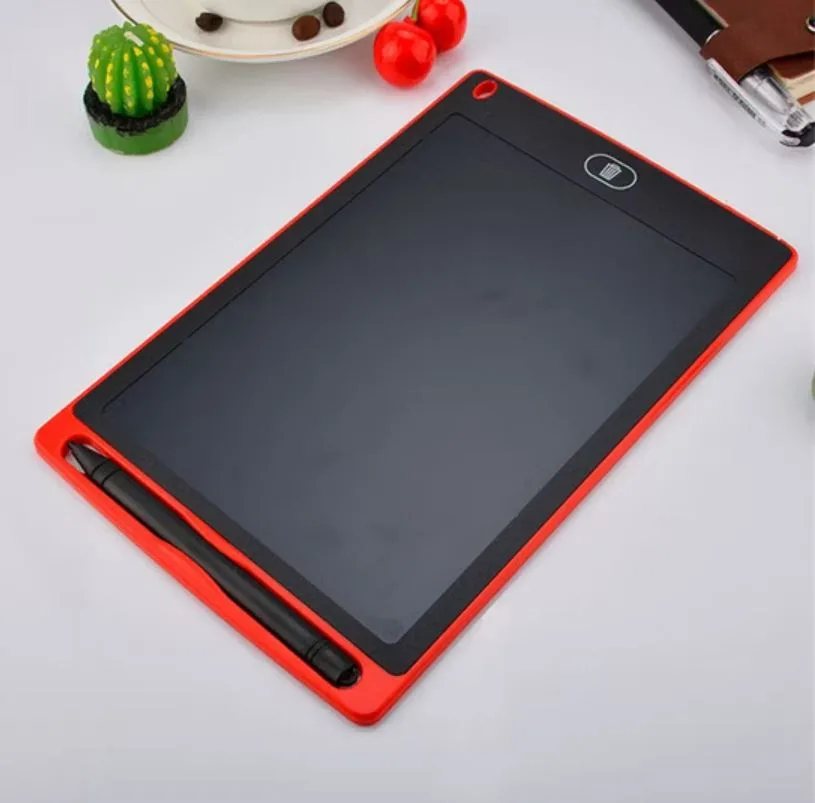
Writing and drawing activities play an important role in early childhood learning. Writing boards for kids provide a simple way to practice letters, numbers, shapes, spelling, and creative drawing without using large amounts of paper. Magnetic writing boards and LCD writing tablets are two popular options, with each offering different features for learning and play. Magnetic boards often support hands-on activities through movable pieces, while LCD boards provide a reusable digital-style surface for drawing and writing. Understanding the differences between these options can help parents, teachers, and caregivers select a suitable writing board based on age, learning goals, and everyday use.
What Are Writing Boards for Kids?
Writing boards for kids are reusable learning surfaces designed for drawing, handwriting practice, and simple educational activities. Depending on the type, a board may use magnets, a stylus, or pressure-sensitive LCD technology. Many boards are lightweight and easy to carry, making them suitable for home, school, travel, and quiet playtime. Reusable boards also reduce the need for constantly using notebooks and loose sheets during basic practice activities.
Magnetic Writing Boards
Magnetic writing boards use a magnetic surface that works with special magnetic pens, shapes, letters, or other accessories. Some designs include a drawing surface combined with movable magnetic pieces, creating opportunities for both handwriting practice and interactive learning.
Common activities include:
- Practicing letters and numbers
- Drawing simple shapes
- Matching magnetic letters
- Creating basic words
- Learning colors and patterns
- Practicing counting
- Developing hand-eye coordination
Magnetic boards can be particularly useful for younger children because movable pieces add a physical element to learning. Magnetic letters can also make early spelling activities more engaging.
LCD Writing Boards
LCD writing tablets use a pressure-sensitive screen that allows marks to appear when a stylus or similar writing tool is used. A button generally clears the screen so another drawing or writing activity can begin. Since the writing surface can be reused repeatedly, an LCD board can be useful for regular handwriting and drawing practice.
LCD writing boards are often suitable for:
- Letter formation
- Number practice
- Simple mathematics
- Drawing and doodling
- Handwriting exercises
- Making quick notes
- Practicing spelling
The screen does not require ink or traditional writing materials for normal use, which makes this type of board convenient for repeated activities.
Magnetic vs. LCD Writing Boards
Both types of writing boards for kids can support learning, but the experience is different. Magnetic boards offer a more hands-on approach because letters, numbers, and shapes can be moved around the surface. LCD boards focus more closely on writing and drawing through a digital-style surface.
FeatureMagnetic BoardLCD Writing BoardWriting practiceYesYesDrawingYesYesMovable lettersOften availableUsually notReusable surfaceYesYesHands-on learningStrongModerateEasy to carryDepends on designUsually very easyInk requiredUsually noNoSuitable for travelDepends on sizeOften suitableThe most suitable option depends on the activity. A magnetic board may be more useful for interactive alphabet and spelling exercises, while an LCD tablet may work well for repeated writing and drawing practice.
Benefits of Reusable Writing Boards
Reusable writing boards can make everyday learning more flexible. A child can practice the same letter several times without filling multiple notebook pages. This is helpful during early handwriting development, when repeated practice is often needed.
Other benefits include:
- Repeated practice: Letters, numbers, and shapes can be practiced again and again.
- Creative activities: Drawing provides an opportunity to explore imagination and basic visual skills.
- Less paper use: Reusable surfaces reduce dependence on disposable sheets for casual practice.
- Portable learning: Many boards are small enough to use during travel or outside the classroom.
- Simple cleanup: Magnetic boards can often be cleared quickly, while LCD boards can usually be erased with a button.
- Independent activity: A simple writing board can provide a structured activity during quiet learning time.
How Writing Boards Support Early Learning
Early writing practice involves more than learning how to form letters. Children gradually develop hand control, coordination, visual recognition, and the ability to follow patterns. Writing boards for kids can support these skills through repeated tracing, drawing, and writing activities.
For example, a child learning the alphabet can first identify a letter, then trace its shape, and later attempt to write it independently. Number activities can follow a similar pattern. Simple exercises such as drawing circles, squares, lines, and curves can also help develop the movements required for handwriting.
Age-Appropriate Activities
Different ages require different types of activities. Younger children may benefit from simple drawing, shape recognition, and magnetic letter games. Preschool children can begin practicing uppercase and lowercase letters, numbers, and basic words. Early school-age children can use reusable boards for spelling, mathematics, short sentences, and creative drawing.
Activities can gradually become more challenging as writing skills improve. Keeping exercises short and varied can help maintain interest without turning learning into a stressful task.
Safety and Durability Considerations
A writing board should match the child's age and abilities. Magnetic accessories should be stored carefully, especially around very young children, because small detachable pieces can present a choking risk. A sturdy frame and smooth writing surface can also improve everyday usability.
For LCD boards, checking the screen quality, stylus attachment, battery compartment, and erase button can help ensure reliable use. A protective case may be useful for children who frequently carry the board between home and school.
Tips for Effective Writing Practice
A writing board becomes more useful when activities have a clear purpose. Instead of focusing only on free drawing, short learning exercises can be introduced throughout the week.
Useful activities include:
- Trace a few letters.
- Copy simple words.
- Practice numbers from 1 to 20.
- Draw basic shapes.
- Solve simple addition problems.
- Create short spelling exercises.
- Draw a picture and label its main objects.
Short sessions can be easier for young learners than long practice periods. Positive encouragement and age-appropriate challenges can also make writing practice more enjoyable.
Why Reusable Learning Tools Matter
Reusable educational tools can support learning without requiring a complicated setup. A writing board can be placed on a desk, carried in a school bag, or used during travel. Magnetic models add tactile learning, while LCD models provide a clean and convenient surface for repeated writing. Both options can complement notebooks, worksheets, books, and classroom activities rather than replacing structured education.
The key benefit is flexibility. A single board can support drawing, handwriting, spelling, numbers, and creative exercises across different stages of early learning.
Bachaa Party: A Helpful Destination for Kids' Learning Needs
Bachaa Party offers a range of products designed around children's everyday learning, play, and development needs. Writing boards for kids can be a practical addition to a child's learning collection because reusable boards support handwriting practice, drawing, numbers, and creative activities. A suitable board can provide an engaging activity at home or during travel while helping children practice important early skills. Along with educational products, Bachaa Party provides access to various children's essentials, making it a useful destination for families looking for age-appropriate products in one place.