Muscle cramps often come on without warning. One minute you're fine, the next your calf or foot is locked into a hard, painful knot that won't let go. Cramps usually subside within minutes, but the muscle may stay sore for hours. If you've been reading up on magnesium lotion for muscle cramps, here's what causes cramping, how to ease a cramp in the moment and how a magnesium routine fits in.
What Causes Muscle Cramps?
People often ask, what causes muscle cramps? Often there isn't just one cause. Pushing a muscle harder than usual is a common one. So is sitting or standing in the same spot for ages, working out in the heat, or simply being worn out after a long day. Older adults and pregnant women tend to get them more often as well.
Some medications and medical conditions can increase the risk of cramps too. If you're having them frequently, or they began after a change in medication, it's worth telling your doctor.
Does Dehydration Cause Cramps?
Another common question is, does dehydration cause cramps? It can play a part. When you sweat heavily, get sick or spend a day in the heat, you lose fluid along with minerals like sodium, potassium and magnesium, and that shift can leave muscles more likely to seize up. That's why cramps often show up during long workouts or in hot weather.
Sip water throughout the day rather than gulping it all at once. After heavy sweating, food and drinks that replace lost minerals can also help.
How to Stop a Muscle Cramp Fast
Knowing how to stop a muscle cramp fast makes a big difference when one hits. Gently stretch the muscle in the opposite direction to the spasm. For a calf cramp, straighten your leg and pull your toes toward you, or stand and lean into a wall with your heel pushed down.
Massage will often help the muscle relax, and a gentle walk gets the blood flowing again once the worst is over. A warm towel or shower can then help release any lingering tightness.
Where Magnesium Comes In
Magnesium is a mineral your muscles need to contract and relax properly. If you've ever looked for muscle cramps magnesium advice, you'll know that many people now use a magnesium cream or lotion as part of their routine. There's still little research on how much magnesium is absorbed through the skin, so it's sensible to think of topical products as a comforting addition to stretching, hydration and a well-rounded diet rather than a cure.
Good dietary sources of magnesium include leafy greens, nuts, seeds, beans and whole grains.
How to Use a Magnesium Lotion for Cramps
If you want to try a magnesium lotion for cramps, rub a small amount onto clean skin over the muscles that tend to cramp, such as the calves, thighs or feet. Work it in with slow, firm strokes for a few minutes. A lot of people find it fits well after a workout or as part of an evening routine.
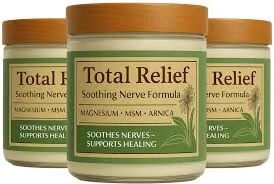
A little tingling is normal, especially on dry skin, and usually goes away fast. Patch test new products first and don't use them on broken skin. HiRelief makes a magnesium cream with a nano-magnesium formula and soothing botanicals, designed to be massaged into the legs, feet and back.
Preventing Cramps Day to Day
A few habits can help prevent cramping. Stretch your calves and thighs gently before bed, warm up properly before exercise and build up new activities gradually rather than doing too much at once. If you're on your feet all day, supportive, comfortable shoes help, and changing position often stops muscles from stiffening up.
When Cramps Need a Closer Look
Cramps are usually harmless, but some do need attention. See your doctor if cramps are frequent or severe, cause lasting weakness, or come with swelling, redness or changes in skin color. Those signs can mean something else is going on, so it's better to get them looked at.
Putting Magnesium Lotion for Muscle Cramps to Work
Nobody enjoys being woken up by a calf that's suddenly locked tight. The good news is that the basics go a long way: drink enough water, stretch a little each day, ease into new workouts and let sore muscles rest. Add a few minutes of massage with a magnesium lotion for muscle cramps and you've got a calm, simple routine you can stick with.
FAQs
What's a fast way to stop a cramp?
Stretch the muscle the other way, slowly, and rub it until the knot lets go. For a calf, pulling your toes toward you usually does the trick.
Can dehydration cause muscle cramps?
It can be part of it. Cramps are more likely after a sweaty workout or a hot day, when you've lost fluid and minerals and haven't topped them back up.
When are muscle cramps a concern?
Get them checked if they keep coming back, hurt a lot or leave the muscle weak. Swelling, redness or a change in skin color around the area is another reason to call your doctor.