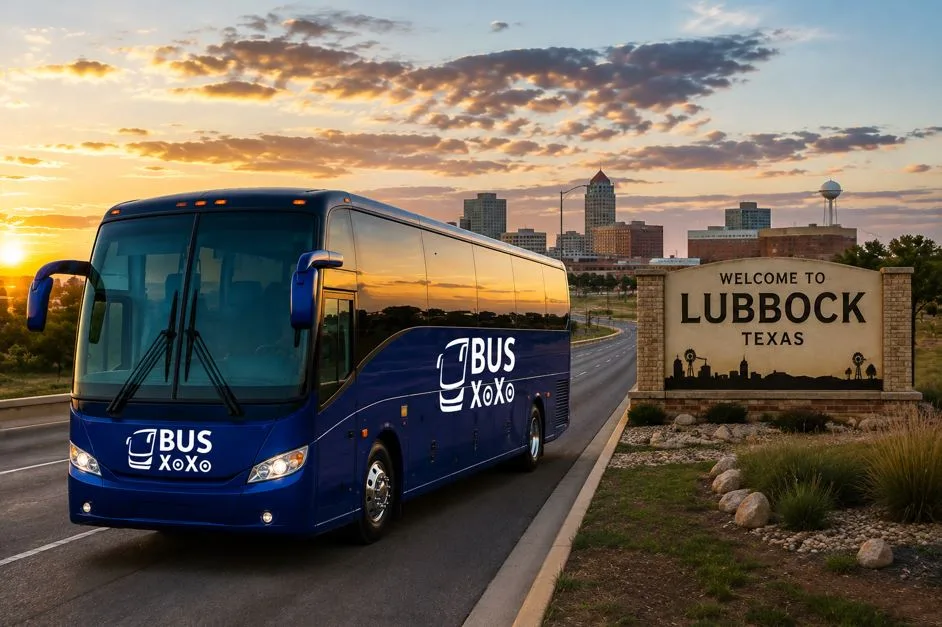
Organizing transportation for a group can quickly become complicated when every traveler has a different schedule, pickup location, or travel requirement. Whether the trip involves a family reunion, school outing, corporate event, sports competition, wedding, or sightseeing journey, a Lubbock charter bus rental can help bring the group’s transportation plan together under one organized itinerary.
The key to stress-free group travel is not simply choosing a vehicle. It starts with understanding the trip before transportation is arranged. Groups that plan passenger numbers, destinations, timing, and luggage requirements in advance are usually better prepared for the unexpected. Here are some of the most important things to consider before organizing group transportation.
Tip 1: Start With the Purpose of the Trip
The reason for traveling can influence almost every transportation decision. A corporate group traveling to a conference may have strict arrival times. A wedding group may need transportation between hotels and venues. A sports team may require additional space for equipment, while a sightseeing group may visit several attractions throughout the day. Before planning transportation, answer a few basic questions:
- Why is the group traveling?
- How many destinations are included?
- Is the trip local or long-distance?
- Does everyone need to travel together?
- Will passengers carry luggage or equipment?
Tip 2: Get an Accurate Passenger Count
One of the most common planning mistakes is estimating the group size too early and never updating the number. Create a passenger list and review it before confirming transportation. Remember to include everyone who will travel, such as:
- Event participants
- Organizers
- Teachers
- Chaperones
- Coaches
- Support staff
For some trips, the number of people attending the event may not be the same as the number using group transportation. For example, some wedding guests or conference attendees may arrange their own travel. Knowing the expected number of passengers helps determine the most practical transportation arrangement.
Tip 3: Write Down the Entire Itinerary
Avoid planning transportation based only on the first destination. Instead, write down the complete trip from departure to return. A useful itinerary should include:
Pickup point → Departure time → Scheduled stops → Main destination → Additional activities → Return location
This approach can reveal transportation needs that might otherwise be missed. For example, a group may initially plan transportation to a conference venue but later realize that attendees also need transfers between the airport, hotel, restaurant, and event location. The more complete the itinerary is, the easier it becomes to organize transportation around the actual trip.
Tip 4: Think About Luggage Before Choosing Capacity
Passenger seating is important, but it is not the only consideration. A group traveling overnight may carry suitcases. Students may bring personal bags. Sports teams may have uniforms and equipment. Ask the group what they plan to bring. This is particularly important for:
- Airport transfers
- Sports trips
- Overnight tours
- Multi-day events
- School travel
Tip 5: Avoid an Overly Tight Schedule
A travel itinerary can look realistic on paper while still being difficult to follow in practice. Groups need time to:
- Board transportation
- Gather belongings
- Exit at destinations
- Find entrances
- Move through large venues
Traffic can also affect arrival times. When possible, include extra time before important activities. This is especially useful for events with fixed start times, such as ceremonies, conferences, games, performances, and flights. A schedule with a reasonable buffer is generally easier to manage than one where every minute is already assigned.
Tip 6: Simplify Pickup Locations
Multiple pickup locations can add complexity and increase travel time. If passengers are staying near one another, consider whether a centralized meeting location would be more efficient. For trips requiring multiple pickups, arrange the locations in a logical route order. Passengers should receive clear information about:
- Where to wait
- What time to arrive
- Who to contact if they have questions
Clear pickup instructions can prevent one of the most common group travel problems: people waiting in different locations.
Tip 7: Consider the Needs of the Entire Group
Large groups often include travelers with different needs. Some passengers may need additional time to board. Others may have accessibility requirements. Families may be traveling with children, while business travelers may need to carry work materials. Discuss these requirements before finalizing the transportation plan. It is easier to address special considerations during the planning stage than on the day of the trip.
Tip 8: Assign One Transportation Contact
Group travel becomes more difficult when everyone contacts a transportation provider separately. Choose one organizer to manage the main transportation information. This person can coordinate:
- Passenger updates
- Pickup details
- Schedule changes
- Itinerary questions
- Communication with participants
Tip 9: Send the Plan Before Departure Day
Passengers should not receive important transportation information at the last minute. Send a clear itinerary in advance. The message should include:
- Pickup location
- Pickup time
- Major destinations
- Expected return time
- Important contact information
For larger groups, consider sending a reminder closer to departure. Clear communication can help passengers arrive prepared and reduce unnecessary delays.
Tip 10: Review Everything Before the Trip
A final transportation review can catch details that changed after the original plan was created. Check:
- Passenger count
- Pickup addresses
- Destination addresses
- Travel dates
- Departure times
- Luggage requirements
- Scheduled stops
- Return arrangements
Stress-Free Group Travel Starts Before Departure
The best way to reduce transportation-related stress is to plan before the group begins traveling. A clear itinerary, realistic schedule, accurate passenger count, and well-organized communication can make a significant difference. Instead of treating transportation as a separate part of the event, include it in the overall planning process. When travel arrangements support the schedule, passengers can spend less time worrying about directions, parking, and coordinating separate vehicles. With thoughtful preparation, group transportation can become a more organized part of trips, events, celebrations, and activities throughout Lubbock and beyond.