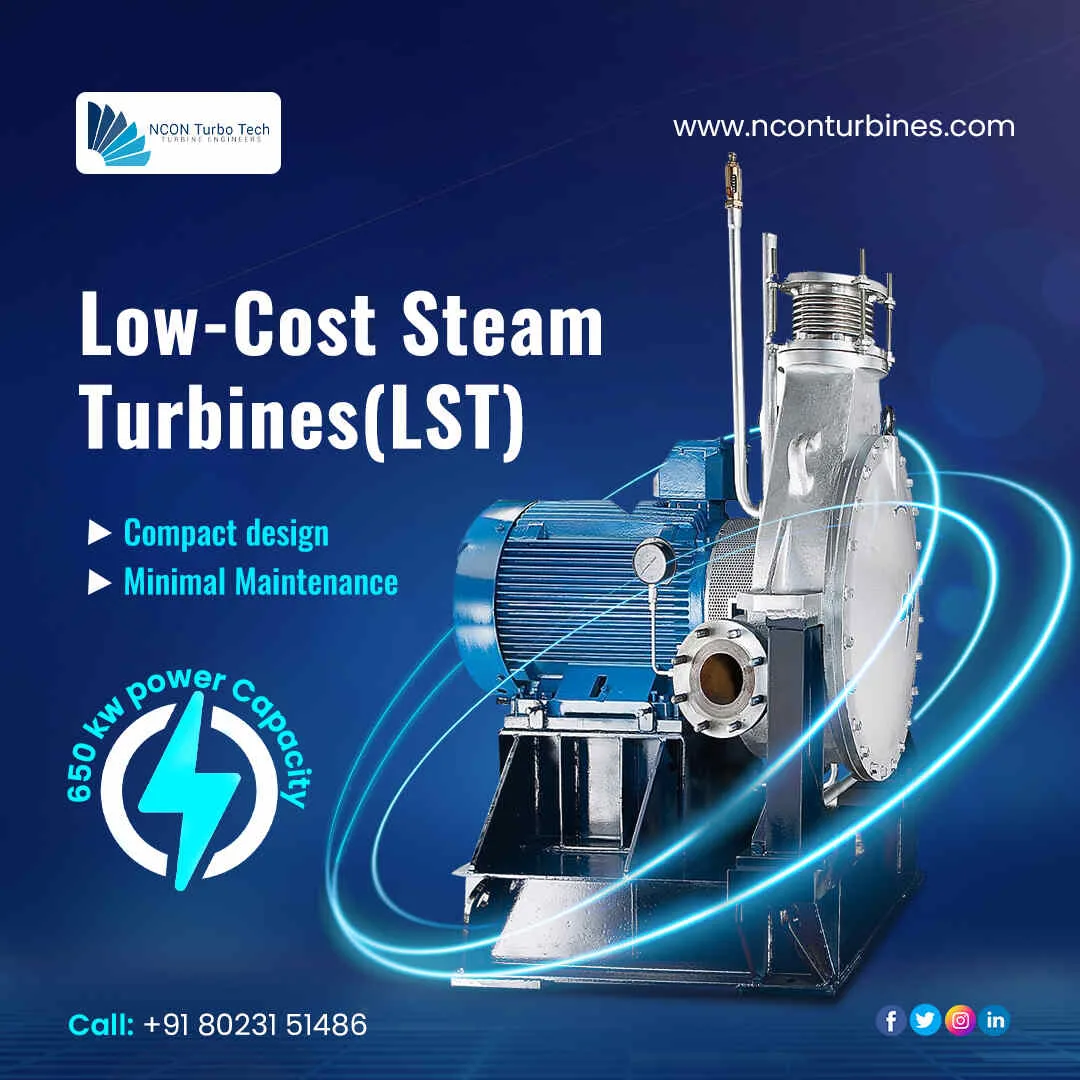
There's a quiet but common mistake many industries make when investing in power generation equipment — assuming that more advanced, higher-capacity technology automatically represents the better choice, regardless of whether their actual operating conditions require that level of complexity. This assumption often leads facilities toward overspecified equipment that doesn't genuinely serve their operational reality any better than a properly matched, simpler alternative would. Understanding this dynamic is precisely why working with experienced low pressure steam turbine manufacturers can prevent this common overcapacity trap.
This article examines why matching turbine technology precisely to actual operational needs matters more than defaulting to seemingly more impressive specifications, and how manufacturers like NCON Turbines help industries navigate this decision.
Your Boiler Already Knows What You Need
Before considering any turbine purchase, your facility's existing steam generation conditions provide the most important guidance for equipment selection. If your boiler system produces steam at relatively modest pressure levels, this isn't a limitation to overcome through purchasing more sophisticated turbine technology — it's simply the operational reality your equipment selection should reflect.
Many facilities make the mistake of assuming they need higher-pressure turbine systems without carefully examining whether their actual steam conditions justify this added complexity and expense. This assumption sometimes stems from viewing higher-pressure systems as inherently superior, rather than recognizing that appropriate technology selection depends entirely on matching equipment to genuine operational conditions.
The Hidden Costs of Overspecified Equipment
When industries invest in turbine capability beyond what their actual steam conditions require, they don't just pay more upfront — they often continue paying through less obvious ongoing costs. Overspecified equipment frequently operates below its designed efficiency range when actual conditions don't match the higher-capacity specifications it was built to handle, essentially wasting potential performance that was paid for but can't be genuinely utilized.
Additionally, more complex equipment typically requires more sophisticated maintenance, potentially higher-skilled technical support, and often more expensive replacement parts when maintenance issues eventually arise. These accumulated costs, spread across years of operation, frequently exceed what industries initially anticipated when focusing primarily on upfront purchase price comparisons.
Recognizing When Low Pressure Genuinely Fits
Several practical indicators suggest that low pressure steam turbine technology likely represents the appropriate choice for a given facility. If your boiler system consistently generates steam at lower pressure levels without significant variation, this steady, modest-pressure operation aligns naturally with low pressure turbine capabilities.
Similarly, if your facility's power generation needs are relatively modest — supporting specific equipment or processes rather than substantial facility-wide electrical demand — low pressure solutions often provide sufficient capability without unnecessary excess capacity. Facilities operating with limited space for equipment installation may also find that the relative simplicity of low pressure systems offers practical installation advantages compared to more complex alternatives.
How NCON Turbines Approaches This Matching Process
NCON Turbines has structured its client engagement process specifically to identify genuine operational needs before recommending any particular turbine technology. Rather than defaulting to higher-capacity recommendations that might seem more impressive, the company's engineering team conducts thorough assessments of actual steam conditions, power requirements, and facility constraints before suggesting appropriate solutions.
This assessment-first approach sometimes results in recommending low pressure technology even when clients initially inquired about more elaborate systems, based on genuine evaluation of what their actual operational conditions require. This honest, needs-based recommendation process, even when it results in a smaller initial sale, reflects the kind of genuine engineering integrity that builds lasting client trust over time.
Avoiding the "More Is Always Better" Assumption
Industry culture sometimes inadvertently reinforces the assumption that more sophisticated, higher-capacity equipment represents inherently superior engineering. This mindset can lead facility managers to request or approve equipment specifications beyond what their actual operations require, driven partly by genuine uncertainty about appropriate sizing and partly by cultural assumptions equating complexity with quality.
Recognizing this pattern helps industries make more genuinely informed decisions. Being counted among established steam turbine manufacturers with strong engineering integrity means being willing to recommend simpler, appropriately-sized solutions even when clients might initially expect or request more elaborate alternatives.
Understanding the Full Range of Appropriate Solutions
For facilities genuinely requiring simpler steam utilization solutions, low pressure turbines represent one option within a broader category of appropriately-scaled equipment. Facilities with straightforward, single-stage requirements might also benefit from saturated steam turbine manufacturers solutions, which share the practical, needs-matched philosophy that makes low pressure technology genuinely valuable for the right applications.
Similarly, facilities with limited space or modest overall power requirements might find that small steam turbine manufacturers offerings complement low pressure solutions particularly well, together representing a genuinely appropriate technology package for facilities with modest, straightforward operational needs.
The Value of Working With Manufacturers Who Prioritize Fit Over Sales Volume
Not every manufacturer approaches client relationships with this needs-matching philosophy. Some suppliers, focused primarily on maximizing transaction value, tend to encourage clients toward more expensive, higher-capacity equipment regardless of whether it genuinely serves their operational needs any better than appropriately-sized alternatives.
Being recognized among dependable turbine suppliers in India who genuinely prioritize appropriate technology matching over simply maximizing sale value represents a meaningful differentiator worth considering during manufacturer evaluation. This distinction often becomes apparent through the questions a supplier asks during initial consultations — genuine needs-assessment questions versus a quick pivot toward higher-value product recommendations.
Supporting Whatever Technology Genuinely Fits
Regardless of which specific turbine technology ultimately proves appropriate for a facility's needs, consistent after-sales support remains essential for long-term reliable performance. NCON Turbines maintains comprehensive turbine spares & services infrastructure that supports clients regardless of which turbine category they've selected, reflecting genuine commitment to client success rather than prioritizing support primarily for larger, more expensive equipment purchases.
Questions to Ask Yourself Before Approaching Manufacturers
Before beginning conversations with potential turbine suppliers, it's worth honestly evaluating your facility's actual steam conditions, realistic power generation needs, and genuine operational constraints. What pressure levels does your boiler system consistently produce? What specific power requirements are you actually trying to address? Are there genuine space or budget constraints that should influence your technology selection?
Approaching manufacturer conversations with this honest self-assessment already completed helps ensure you receive genuinely appropriate recommendations, rather than being guided primarily by a supplier's product preferences or sales incentives.
Final Thoughts
Matching turbine technology precisely to actual operational needs, rather than defaulting toward seemingly more impressive higher-capacity systems, represents one of the most important decisions industries make when investing in power generation equipment. Low pressure steam turbine manufacturers who genuinely prioritize this careful matching process, even when it means recommending simpler, more affordable equipment, demonstrate the kind of engineering integrity that ultimately serves clients far better than defaulting to unnecessarily complex alternatives.
Companies like NCON Turbines illustrate what this needs-focused approach looks like in practice, conducting genuine operational assessments before making recommendations rather than pushing predetermined product preferences. For industries currently evaluating their turbine options, taking time to honestly assess actual operational requirements — rather than assuming higher-capacity technology automatically represents the superior choice — is likely to result in equipment that genuinely serves long-term operational and financial interests.
Contact us
Address: F-62 & F-63, Industrial Estate, Rajajinagar, Bangalore, Karnataka, India - 560044
Call Us: +91 80231 5148
Website: https://www.nconturbines.com/
Services Quick Links:
Low-Cost Steam Turbines | Single-Stage Steam Turbines | Multi-Stage Steam Turbines | Parts and Services