
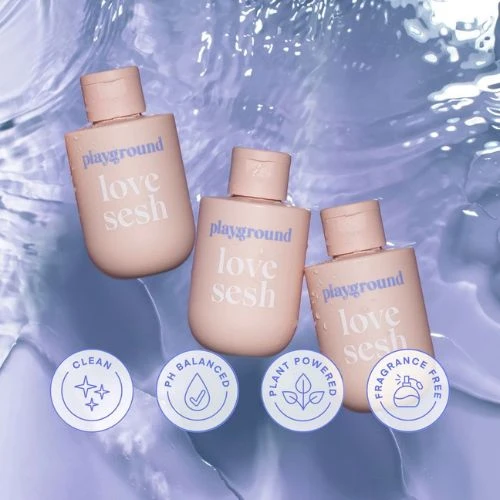
Learn what love lube is, how to use it, what to avoid, and how to pick a safe, comfy water-based lubricant for everyday intimacy.
If sex feels dry, tight, or “too much friction,” you do not have to push through it. A good lubricant can make things feel smoother, calmer, and more comfortable. This guide explains what love lube is, how to use it, and how to choose one that is gentle on your body.
What is love lube and what does it do?
Love lube is a personal lubricant. It adds slip so skin does not rub too hard. That matters because friction can cause burning, tiny tears, or soreness after sex.
A water-based lubricant is often the easiest starting point. It is usually easy to wash off, works with most condoms, and is generally toy-friendly. Health resources commonly describe water-based lube as a versatile option, especially for sensitive skin, with the main downside being it can dry out and need reapplying.
Why love lube can help when you feel dry or sore
Dryness is common. It can happen with stress, hormonal changes, some medicines, breastfeeding, or just a long day. Love lube helps in three practical ways:
- Less friction: smoother movement, less sting
- More comfort: less “pulling” feeling on skin
- More control: you can add a little, then add more if needed
If you often feel irritated after sex, lube choice can matter, but so can condoms, latex sensitivity, and product ingredients. If irritation is ongoing, it’s worth talking to a clinician.
How to use love lube step by step
Using love lube is simple, but a few small steps make it work better.
Start with clean hands. Put a small amount on your fingers first. Then:
- Apply to the outside area where friction happens most
- Add a little to the partner’s skin or the condom
- If using a toy, apply to the toy and a little to the body
- If it starts to feel sticky or dry, add more (or a few drops of water to “refresh” it)
Water-based lubes may need reapplication because water can evaporate during use.
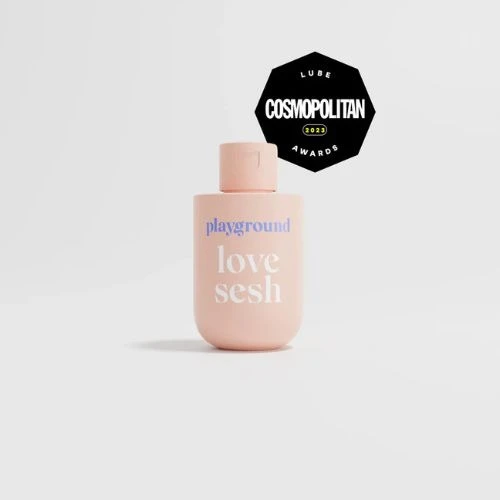
How to choose love lube that feels good and stays gentle
Not every formula feels the same. When picking love lube, focus on “comfort first,” not fancy extras.
A quick checklist for love lube (bullets)
- Condom compatible: water-based or silicone-based is typically recommended with latex condoms
- No strong scent or “warming” feel: these can bother sensitive skin
- Not too sticky: if it turns tacky fast, you may need a different texture
- Easy cleanup: water-based usually rinses off with water
Ingredients to be careful with in love lube (bullets)
- Oil-based additives if you use latex condoms (oil can weaken latex)
- Strong fragrances or “tingle” agents if you get irritation easily
- Very high-osmolality formulas (often linked to lots of glycols) because they may be more irritating for some people; safe-lube guidance discusses osmolality and why it matters
You do not need to memorize lab numbers, but it helps to know why “gentle, simple, and pH-aware” is a good rule of thumb.
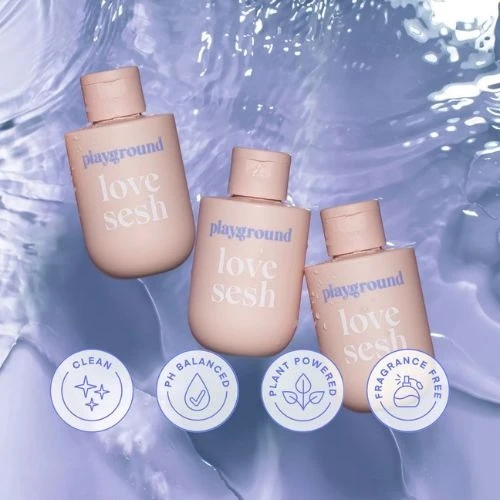
Love lube safety basics for condoms, toys, and daily use
Love lube is usually safe for regular use, but match it to your situation:
- Using condoms: Stick to water-based or silicone-based lubricants with latex condoms. Avoid oil-based products (like petroleum jelly or many oils) because they can damage latex.
- Using toys: Water-based love lube is generally a safe pick for most toys because it is less likely to affect toy material than oils.
- If you are yeast-prone or very sensitive: choose a simple formula and stop if you feel burning or itching. If symptoms last, talk to a clinician.
If love lube ever causes pain, swelling, rash, or strong burning, wash it off, stop using it, and consider checking ingredients or switching formulas.
Frequently Asked Questions
Is love lube safe to use with condoms?
Most water-based love lube is condom-safe, and medical guidance commonly advises water-based or silicone-based lubes with latex condoms while avoiding oil-based products.
Can love lube cause irritation or burning?
It can, especially if you react to certain ingredients (like fragrance or strong additives). If burning happens, rinse off, stop use, and switch to a gentler formula. Ongoing irritation after sex can have many causes, so get checked if it keeps happening.
How much love lube should I use?
Start with a pea-to-coin sized amount, then add more as needed. If it starts to feel sticky, add more love lube or a few drops of water to improve glide.
What type of love lube is best for sensitive skin?
A simple, unscented water-based love lube is often a good starting point. Many guides recommend avoiding “warming,” heavily scented, or novelty effects if you’re sensitive.
Can I use love lube every day?
Many people can use love lube often, but “safe for you” depends on how your body responds. If you notice recurring irritation, switch formulas or reduce frequency and consider medical advice.
What should I avoid mixing with love lube?
Avoid mixing love lube with oil-based products if you use latex condoms. Oils can weaken latex and raise the chance of breakage.