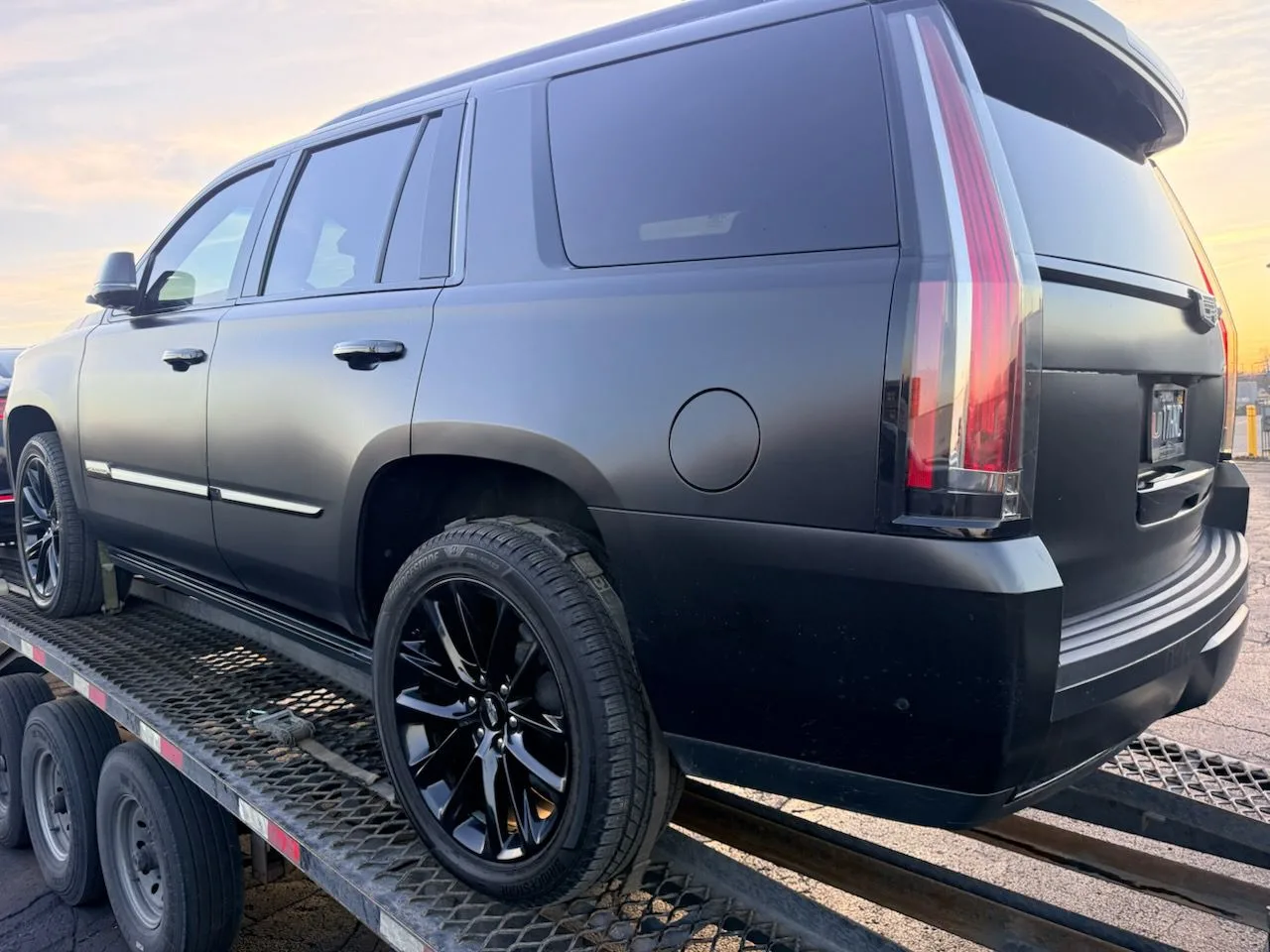
In today’s fast-paced global economy, a logistics transportation company plays a critical role in ensuring goods move efficiently from one point to another. Businesses rely on dependable logistics partners to streamline operations, reduce costs, and meet customer expectations. From small enterprises to large corporations, having a trusted transportation provider can significantly impact supply chain success.
What is a Logistics Transportation Company?
A logistics transportation company specializes in the planning, execution, and management of the movement of goods. These companies handle everything from freight shipping and warehousing to distribution and last-mile delivery. Their goal is to ensure timely, safe, and cost-effective transportation of products across local, national, and international routes.
Key Services Offered
Logistics transportation companies provide a wide range of services tailored to meet diverse business needs:
Freight TransportationThis includes moving goods via road, rail, air, or sea. Companies offer Full Truckload (FTL) and Less Than Truckload (LTL) shipping options to accommodate different shipment sizes and budgets.
Warehousing and DistributionModern logistics providers offer secure storage facilities equipped with inventory management systems. These warehouses help businesses manage stock efficiently and ensure quick order fulfillment.
Supply Chain ManagementEnd-to-end supply chain solutions help businesses optimize their operations. From procurement to final delivery, logistics companies ensure seamless coordination and visibility.
Last-Mile DeliveryThe final step in the delivery process is crucial for customer satisfaction. Logistics companies ensure timely and accurate deliveries to customers’ doorsteps.
Benefits of Hiring a Logistics Transportation Company
Improved Efficiency
Professional logistics providers use advanced technologies and experienced teams to streamline transportation processes. This reduces delays and ensures faster delivery times.
Cost Savings
Outsourcing logistics helps businesses save on operational costs such as fuel, labor, and infrastructure. Companies can focus on core operations while experts handle transportation.
Scalability
Logistics companies offer flexible solutions that can scale with your business. Whether you need to ship small packages or large volumes, they can adapt to your requirements.
Real-Time Tracking
Modern logistics providers use tracking systems that allow businesses to monitor shipments in real time. This improves transparency and helps in better decision-making.
Types of Transportation Services
Road Transportation
One of the most common methods, road transportation is ideal for short to medium distances. It offers flexibility and door-to-door delivery options.
Rail Transportation
Rail is a cost-effective solution for transporting large volumes over long distances. It is also more environmentally friendly compared to road transport.
Air Freight
Air transportation is the fastest option for urgent shipments. Although more expensive, it ensures quick delivery for time-sensitive goods.
Sea Freight
Sea freight is suitable for international shipments and bulk cargo. It is a cost-efficient method for transporting goods across continents.
Choosing the Right Logistics Transportation Company
Experience and Expertise
Look for a company with proven experience in handling shipments similar to yours. Industry knowledge ensures better handling of logistics challenges.
Technology Integration
A reliable logistics provider should use advanced tools like GPS tracking, automated systems, and data analytics to enhance efficiency.
Customer Support
Strong customer support is essential for addressing issues quickly and ensuring smooth communication throughout the shipping process.
Network and Coverage
Choose a company with a wide network and strong carrier relationships. This ensures timely deliveries across multiple locations.
Challenges in Logistics Transportation
Rising Fuel Costs
Fuel price fluctuations can impact transportation costs. Logistics companies must find efficient routes and optimize loads to manage expenses.
Regulatory Compliance
Transporting goods across regions requires compliance with various regulations. Experienced logistics providers ensure all legal requirements are met.
Supply Chain Disruptions
Unexpected events such as weather conditions, strikes, or global crises can disrupt supply chains. A reliable logistics partner helps mitigate risks through contingency planning.
Future of Logistics Transportation
Automation and AI
Automation and artificial intelligence are transforming logistics operations. From route optimization to predictive analytics, technology is improving efficiency and accuracy.
Sustainable Logistics
Eco-friendly practices such as electric vehicles and optimized routing are becoming more common. Businesses are prioritizing sustainability in their logistics operations.
Digital Transformation
The adoption of digital platforms is enhancing visibility and communication across the supply chain. Real-time data helps businesses make informed decisions and improve performance.
Conclusion
A logistics transportation company is an essential partner for businesses aiming to streamline their supply chain and improve delivery efficiency. With a wide range of services, advanced technologies, and scalable solutions, these companies help businesses stay competitive in a dynamic market. By choosing the right logistics provider, companies can reduce costs, enhance customer satisfaction, and achieve long-term growth.