Homeowners in Fayetteville can reduce their energy loss by up to 40 percent by installing professional spray foam insulation. This material creates a custom air barrier that prevents air from moving through walls, attics, and crawlspaces. By sealing every gap, you ensure your heating and cooling systems operate at maximum efficiency while lowering your monthly utility costs.
This guide explains how professional application improves home comfort and durability in the North Carolina climate. Experts in the field share practical knowledge to help you understand the differences between material types and installation methods. You will learn how to protect your property and improve indoor air quality with modern building science.
Immediate Impact Of High Performance Air Sealing
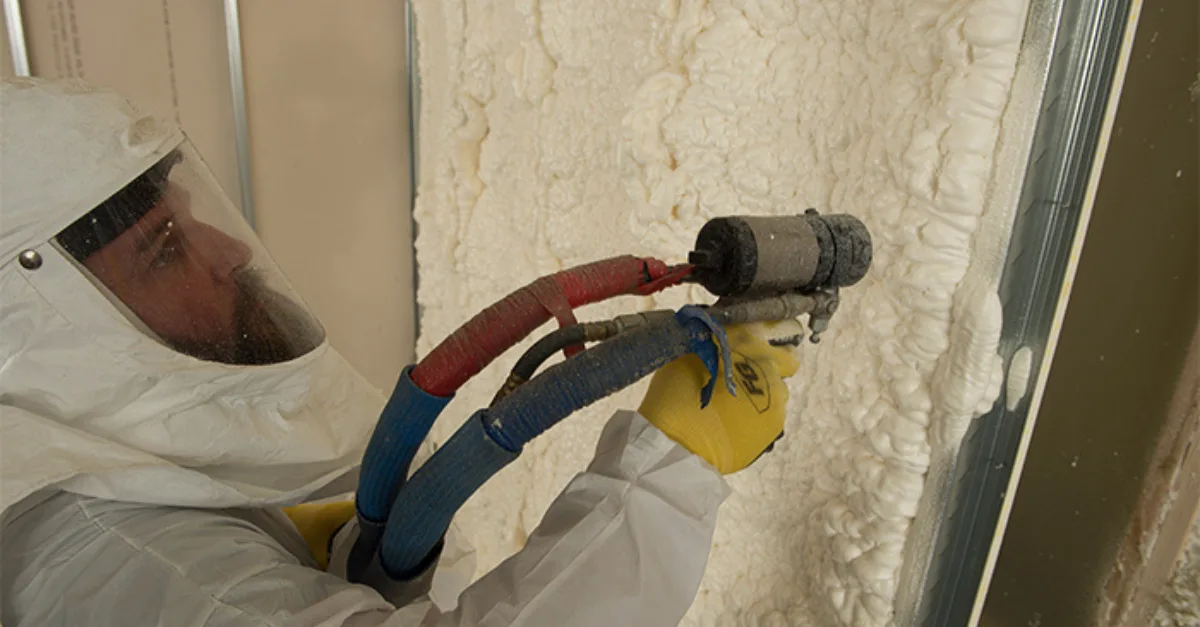
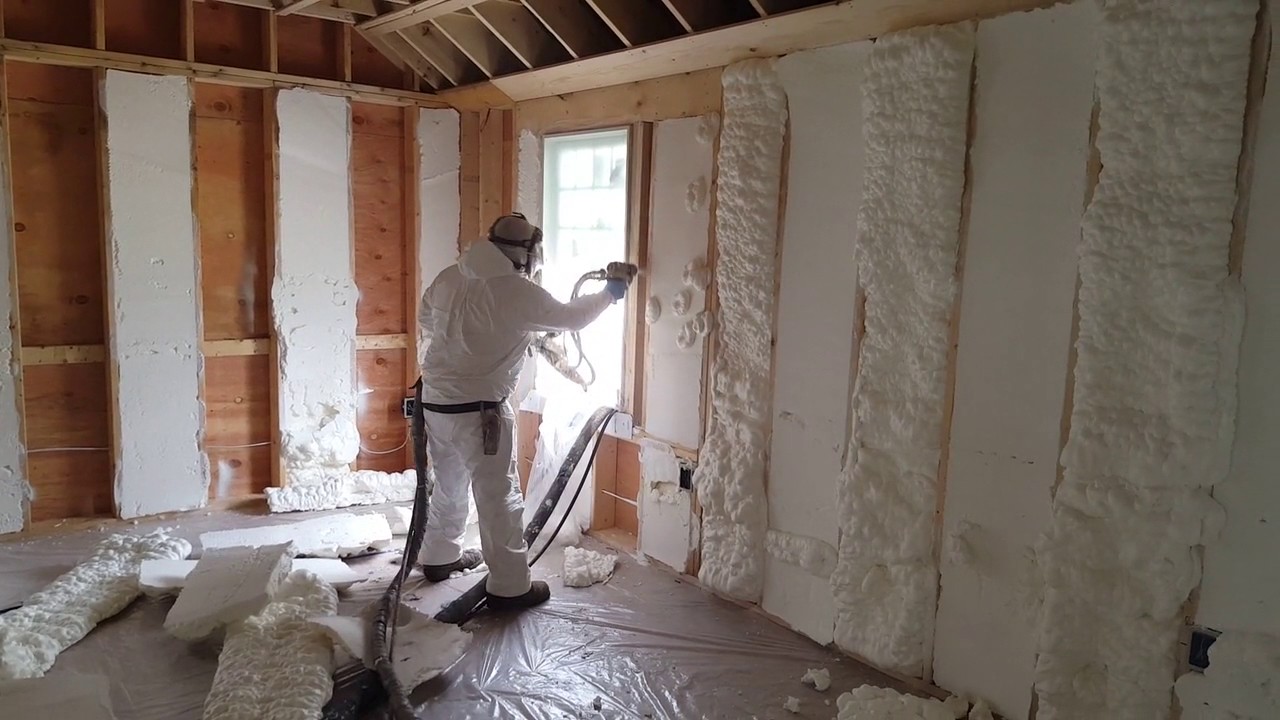
Spray foam works fundamentally different than traditional fiberglass or cellulose. It acts as both a thermal barrier and a physical air seal. This dual role is why it effectively lowers monthly power bills immediately after application.
When they apply the liquid foam, it expands rapidly to fill tiny cracks that other materials miss. This prevents conditioned air from leaking out of your living space. It also blocks unconditioned outdoor air from entering your home.
- It fills tiny cracks around electrical outlets and switches.
- The foam expands into plumbing penetrations in the floor.
- It adheres directly to wood and masonry surfaces for a tight bond.
- The seal remains intact even as the home settles over time.
Technical Performance Of Spray Foam Varieties
Understanding the specific properties of different foams helps you make the right choice for your property. Studies show that homes with proper air sealing maintain a 15 to 20 percent more consistent indoor temperature. This stability reduces the wear on your HVAC equipment.
Open Cell Foam Characteristics
Open cell foam is light and flexible. It is an excellent choice for attic ceilings and interior walls. Its sponge like texture allows it to absorb sound waves, which makes your home much quieter. This material is typically more affordable for large residential spray foam insulation projects.

Closed Cell Foam Strength
Closed cell foam is much denser and more rigid. It provides structural strength to the walls and acts as a waterproof barrier. This makes it the standard choice for crawlspaces or areas prone to moisture. It has a higher R-value per inch, which is helpful when space is limited.
PropertyOpen Cell FoamClosed Cell FoamR-Value Per Inch3.5 to 3.86.5 to 7.0Moisture BarrierBreathableWaterproofExpansion RateHigh ExpansionLow ExpansionDensityLight WeightHigh DensityRegional Climate Challenges In North Carolina
Fayetteville experience high humidity levels that can damage traditional insulation. When fiberglass batts get damp, they lose their ability to resist heat flow. Spray foam is different because it does not provide a food source for mold or mildew.
High humidity in the summer forces your air conditioner to work harder to dehumidify the air. By sealing the building envelope, you keep that humidity outside. This results in a much more comfortable indoor environment during the peak of the North Carolina summer.
- Fayetteville homes often face high cooling demands from May to September.
- Residences need protection from seasonal humidity spikes.
- Air sealing prevents humid air from condensing on cold ductwork.
- The material helps maintain a stable indoor environment during winter freezes.
Bonus Tip For Homeowners Seal the rim joists first. This area is often the leakiest part of a North Carolina crawlspace or basement and sealing it provides immediate comfort improvements for the first floor.
How Does Spray Foam Improve Indoor Air Quality
Indoor air quality is a major concern for families with allergies or respiratory issues. Traditional insulation can hold dust, pollen, and other allergens that circulate through the home. Spray foam seals the gaps where these particles enter the building.
By stopping air infiltration, you also reduce the entry of outdoor pollutants. This means your home's air filtration system can work more effectively. A tightly sealed home is often a much cleaner home with less dust accumulation on surfaces.
- The seal blocks outdoor pollen from entering through the attic.
- It prevents dust from blowing through wall cavities.
- The material reduces the entry of outdoor odors.
- It helps control indoor humidity to prevent mold growth.
Bonus Tip For Property Managers If you manage rental properties, high efficiency insulation can lower your turnover rate. Tenants are more likely to stay in a home that has low utility bills and consistent comfort levels.
Factors To Review Before Choosing An Insulation Expert
Selecting the right team is just as important as the material itself. Spray foam insulation service in Fayetteville, NC requires precise mixing of chemicals at specific temperatures and pressures. You should look for professionals who use modern equipment and follow strict safety protocols.
Check if the contractor offers a thorough site assessment before they start the job. They should identify any existing moisture issues or structural problems. A true expert will explain the curing process and tell you when it is safe to return to your home.
- Verify that they carry full liability and workers' compensation insurance.
- Ask about the specific training and certifications of the spray team.
- Request references from other homeowners in Fayetteville.
- Ensure they use high volume ventilation fans during the installation.
Improving Home Value And Comfort Longevity
According to industry research, high efficiency insulation can add up to 5 percent to a home's resale value in the Mid Atlantic market. Potential buyers look for properties with lower monthly overhead costs. A sealed home is a much more attractive asset in the local real estate market.
Spray foam is a permanent solution that does not sag or settle like fiberglass or cellulose. Once it is installed, it remains effective for the life of the structure. This durability ensures that your investment continues to pay off for decades.
- The material does not require top off services after several years.
- It maintains its R-value regardless of outside temperature extremes.
- The airtight seal prevents pests from nesting in your walls.
- It adds a layer of structural rigidity to older homes.

Things To Consider For Your Home Project
Before you decide on a project, evaluate the current state of your attic and crawlspace. If you have old insulation that is wet or dusty, it should be removed first. This allows the foam to bond directly to the surfaces for the best possible seal.
Think about your long term goals for the property. If you plan to stay in the home for many years, the energy savings will easily cover the initial cost. You should also consider any soundproofing needs, especially if you live near a busy road in Fayetteville.
- Identify any roof leaks that need repair before insulating.
- Determine if you need the structural benefits of closed cell foam.
- Check for local utility rebates that might lower your project cost.
- Plan for a short period of vacancy while the foam cures.
Bonus Tip For Homeowners Ask for a blower door test. This test proves the effectiveness of the air seal by measuring exactly how much air is leaking from the house after the job is finished.
Final Thoughts On Residential Efficiency
Upgrading your home with professional spray foam is a practical way to manage costs and improve daily comfort. The combination of an air seal and high thermal resistance addresses the unique challenges of the North Carolina climate. By choosing the right material for your specific needs, you protect your home from moisture, pests, and energy waste. This investment provides immediate returns through lower utility bills and long term value through increased property equity. Evaluate your specific situation and needs to choose the solution that best fits your long term goals.
Schedule Your Consultation With Raleigh Excel Spray Foam Insulation For A Free Quote
If you want to improve the efficiency and comfort of your home, Raleigh Excel Spray Foam Insulation provides the expert services you need. They help homeowners in Fayetteville find the best ways to seal their property and lower their monthly expenses. You can reach their professional team by calling (919) 301-9435 or emailing [email protected] to discuss your specific requirements. They offer a free quote to help you plan your energy efficiency upgrades without any hidden costs. Contact Raleigh Excel Spray Foam Insulation today to learn how their team can assist with your next home improvement project.
Common Questions About Home Insulation Services
How long does the installation process take for a standard home?
Most residential projects can be completed in one to two days. This includes the preparation of the area, the actual application, and the final cleanup. The time varies based on the size of the attic or crawlspace and the amount of old insulation that needs removal.
Is spray foam safe for my family and pets?
Yes, once the foam has fully cured, it is completely inert and safe. Professionals use high volume ventilation during the application to ensure the air is clear. It is standard practice to stay away from the home for 24 hours to allow the foam to set.
Does spray foam lose its effectiveness over time?
No, unlike fiberglass which can settle or cellulose which can pack down, spray foam maintains its R-value for the life of the building. It does not shrink or degrade, meaning your energy savings remain consistent year after year.
Can spray foam be applied in an existing home?
Yes, it is very common to retrofit existing homes with spray foam. It is especially effective in attics and crawlspaces. In some cases, it can also be injected into existing wall cavities without removing the drywall.
Will spray foam help with my summer cooling bills?
Yes, it is extremely effective at lowering cooling costs. By sealing the attic, you prevent hot air from pushing down into your living spaces. This allows your air conditioner to run less frequently, even during the peak of a North Carolina summer.