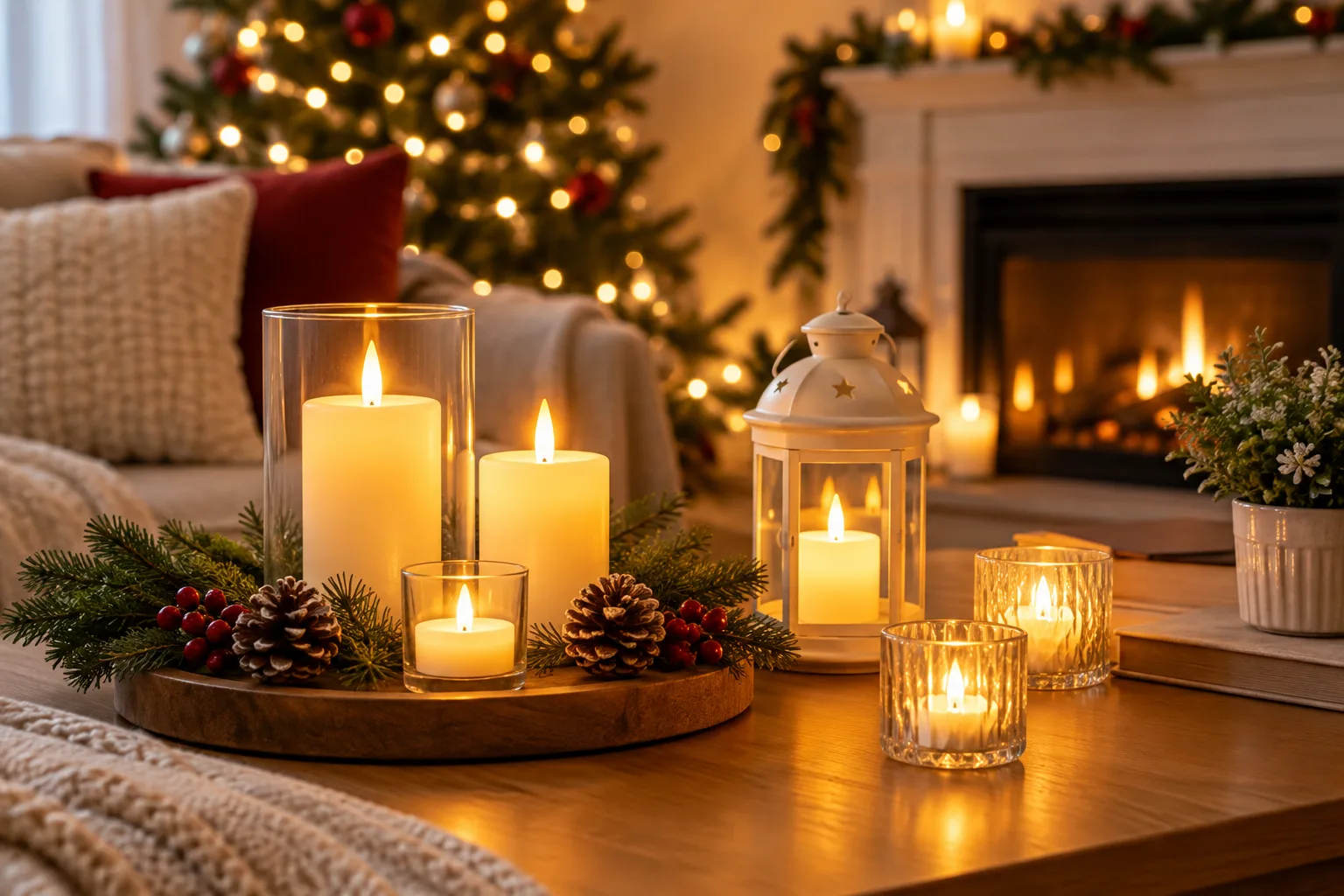
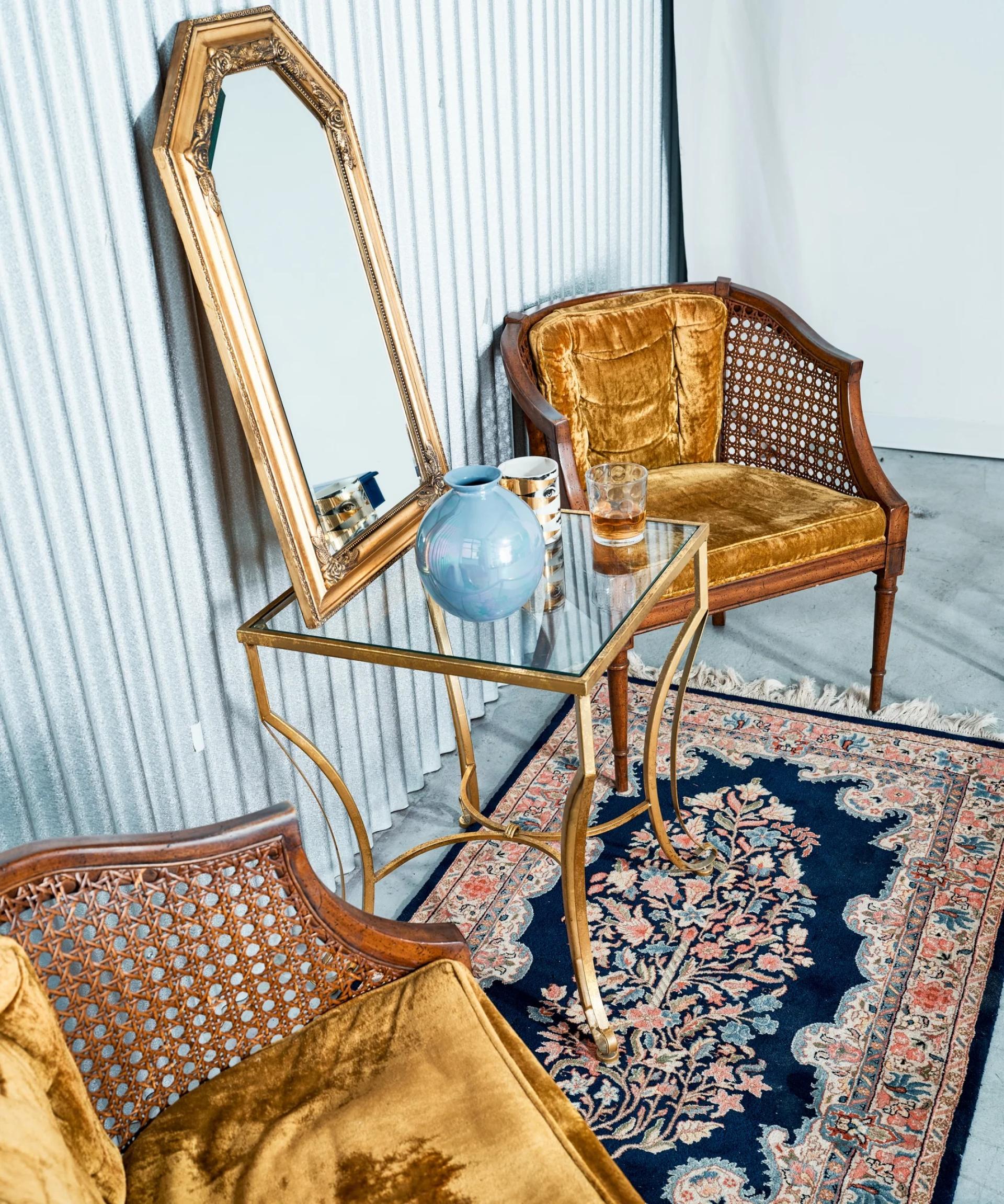
The living room is the heart of the home, where comfort meets personal style. While the main furniture pieces—like sofas, sectionals, and coffee tables—form the foundation of the room, it’s the living room furniture accent pieces that bring personality and depth. These accents add character, highlight your design choices, and make the space feel truly complete. From side tables to ottomans, accent chairs, and decorative details, each piece enhances the room’s atmosphere while serving practical purposes.
The Role of Accent Pieces in Living Rooms
Accent furniture goes beyond basic functionality. While a sofa provides seating and a coffee table offers utility, accent pieces add flair and elevate the overall aesthetic. They allow homeowners to express creativity, experiment with textures, and introduce pops of color or unique designs that make the living room more engaging.
Well-chosen living room furniture accent pieces balance beauty with usability. Whether it’s a sculptural side table, a bold accent chair, or a stylish bench, each element contributes to a layered and inviting design.
Popular Types of Living Room Accent Furniture
There are many types of accent furniture to explore, each adding value in different ways:
- Accent Chairs: Ideal for introducing bold colors or unique shapes while offering extra seating.
- Ottomans and Poufs: Functional as footrests, coffee tables, or additional seating.
- Side Tables: Compact and versatile, perfect for holding lamps, books, or décor.
- Console Tables: Useful behind sofas or along walls for decorative displays.
- Benches: A flexible option for seating or styling with cushions and throws.
- Nesting Tables: Provide layered surfaces that can be rearranged easily.
- Bookshelves and Cabinets: Combine storage with style, showcasing personal collections.
Each of these accent pieces can be customized to suit your design theme, from traditional to modern.
Choosing the Right Accent Pieces for Your Style
The key to selecting the right accent furniture is aligning it with your interior style. Here are a few ways to do that:
- Modern Living Rooms: Opt for clean lines, sleek finishes, and minimalistic accents.
- Traditional Spaces: Choose tufted ottomans, carved wood side tables, and elegant cabinets.
- Rustic or Farmhouse: Embrace natural wood finishes, distressed details, and cozy textures.
- Industrial Interiors: Metal frames, reclaimed wood, and exposed elements add character.
- Bohemian Style: Colorful poufs, patterned textiles, and eclectic accent chairs bring vibrancy.
- Scandinavian Décor: Light woods, simple designs, and functional pieces enhance airy spaces.
Accent furniture allows flexibility to experiment with new styles without committing to large, expensive pieces.
Functional Benefits of Accent Furniture
While accent pieces enhance the look of your living room, they also serve practical roles:
- Space Maximization: Compact side tables or benches fit easily in smaller rooms.
- Storage Solutions: Cabinets, ottomans, and bookshelves keep clutter under control.
- Extra Seating: Benches, poufs, and accent chairs accommodate guests comfortably.
- Visual Balance: Accent pieces help distribute design elements evenly across the room.
- Flexibility: Smaller pieces are easier to rearrange, making your space adaptable.
These benefits make living room furniture accent pieces an essential part of thoughtful design.
Placement Ideas for Accent Pieces
Strategic placement ensures your accent furniture adds value without overcrowding the space. Consider these ideas:
- Side Tables by Sofas: Convenient for holding drinks, remotes, or lamps.
- Ottomans in the Center: Use as a coffee table alternative or extra seating.
- Benches by Windows: Create a cozy reading nook with cushions and throws.
- Accent Chairs in Corners: Fill empty corners while adding seating and style.
- Console Tables Behind Sofas: Anchor open layouts and display decorative objects.
- Bookshelves as Dividers: Define spaces in open-plan living areas with tall shelving units.
Smart placement creates flow and functionality while keeping the design balanced.
Styling Tips for Living Room Accent Furniture
Accent pieces are an opportunity to showcase creativity. Here’s how to style them effectively:
- Play with Color: Use accent chairs or poufs in bold shades to add contrast.
- Layer Textures: Mix leather, velvet, wood, and metal for richness.
- Add Greenery: Place plants on side tables or shelving for freshness.
- Use Lighting: Pair console tables with lamps for both utility and ambiance.
- Mix Shapes: Contrast rectangular coffee tables with round ottomans for balance.
- Display Collections: Books, ceramics, or art pieces can add personality.
These styling touches ensure your living room furniture accent pieces feel cohesive and intentional.
Accent Furniture for Small Living Rooms
Small spaces benefit greatly from accent furniture when chosen wisely. Compact benches, nesting tables, and multi-functional ottomans provide versatility without overwhelming the room. Light-colored pieces or transparent materials like glass also create the illusion of space.
Storage benches and slim console tables help maximize function while keeping the living room clutter-free. By choosing practical yet stylish accents, even the smallest rooms can feel open and welcoming.
Current Trends in Living Room Accent Furniture
Interior design trends show growing interest in versatile, expressive accent furniture. Popular trends include:
- Sustainable Materials: Eco-friendly wood, recycled fabrics, and natural fibers.
- Curved Silhouettes: Softer lines in accent chairs and benches for a relaxed look.
- Bold Textures: Velvet, boucle, and leather making strong statements.
- Mixed Materials: Pairing wood with metal, stone, or glass for contrast.
- Statement Pieces: Sculptural accent chairs or artistic side tables acting as focal points.
- Neutral Foundations with Pops of Color: Keeping large furniture neutral while using accent pieces to experiment with vibrant hues.
These trends prove that accent furniture isn’t just about function—it’s also a way to showcase evolving design tastes.