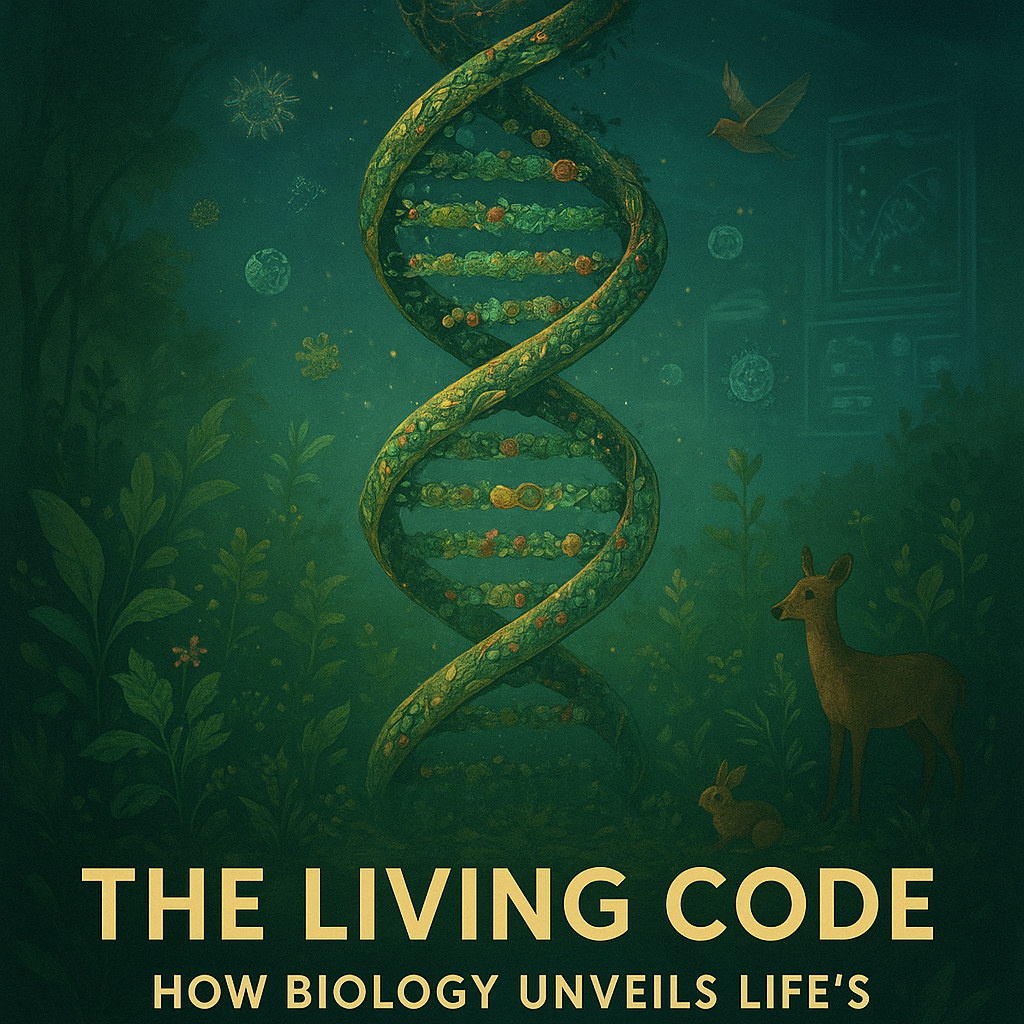
The Pulse of Life: A Window Into Biology’s Vast Realm
Every second, billions of microscopic processes unfold within and around us, making life possible. From the cellular machinery humming inside a single neuron to the complex ecosystems sustaining biodiversity, biology captures the essence of existence. Even as technology rockets forward, biology remains the ultimate key to understanding the fabric of life itself.
Consider this: the human body harbors approximately 37.2 trillion cells, each a bustling metropolis of molecular activity. These cells communicate, adapt, and evolve, orchestrating the symphony of life. Recent advances in single-cell sequencing have opened unprecedented vistas, revealing cellular heterogeneity once thought impossible to discern, according to recent reports from leading research institutes.
The significance of biology transcends academia; it is the foundation for medicine, agriculture, environmental stewardship, and biotechnology industries shaping global economies. The discipline’s rapid evolution in 2026, fueled by AI-driven analysis and multi-omics integration, has positioned biology as a fulcrum of innovation and societal transformation.
"Biology is not just a science; it’s the narrative of life itself, revealing patterns that define health, disease, and the environment." — Dr. Elena Martinez, Genomics Pioneer
Tracing Biology’s Roots: From Natural Philosophy to Molecular Mastery
Biology’s journey began in antiquity with natural philosophers like Aristotle, who categorized animals and plants. The Renaissance sparked renewed interest, culminating in the 19th century’s Darwinian revolution that introduced the concept of evolution by natural selection. This foundation paved the way for the molecular era.
The discovery of DNA’s double helix structure in 1953 by Watson and Crick marked a seismic shift. Biology transformed into a discipline capable of decoding life’s blueprint. Subsequent decades saw the rise of molecular biology, genomics, and bioinformatics, culminating in the Human Genome Project’s completion in 2003.
These milestones catalyzed a cascade of innovations: gene editing tools like CRISPR, synthetic biology constructs, and systems biology approaches to understand complex networks. The integration of computational power with biological data has accelerated discovery, enabling real-time insights into cellular dynamics and organismal behavior.
According to historical analyses from the National Academy of Sciences, the synergy of experimental biology and computational methods has redefined research paradigms, fostering interdisciplinary collaborations unprecedented in scale and scope.
"The evolution of biology mirrors our expanding curiosity—moving from observation to manipulation of life itself." — Prof. Samuel Cheng, Historian of Science
Biology in Numbers: Analyzing The Data Behind Life’s Complexity
Biology’s complexity is mirrored in the staggering volumes of data generated annually. The International BioData Consortium estimates that by 2026, biological datasets exceed 3 exabytes—a 300% increase over 2022. This data explosion underscores the need for advanced analytics and AI to extract meaningful insights.
Key numbers highlight biology’s multifaceted nature:
- 37.2 trillion – approximate number of cells in the human body.
- 3 exabytes – estimated global biological data volume in 2026.
- 200,000+ – newly discovered protein structures cataloged in the Protein Data Bank since 2020.
- 75% – percentage of species on Earth yet to be described, according to biodiversity surveys.
Comparative genomics now allows researchers to analyze thousands of genomes simultaneously, revealing evolutionary patterns and disease susceptibilities. The integration of multi-omics data—genomics, proteomics, metabolomics—has facilitated holistic views of biological systems, enabling predictive models of cellular responses.
Moreover, spatial transcriptomics and real-time imaging technologies have provided temporal and spatial context to molecular data, deepening understanding of developmental biology and pathogenesis.
According to data from the Global Institute of Bioinformatics, AI-assisted biological research projects have increased by 45% since 2024, reflecting a paradigm shift towards computational biology as an indispensable tool.
2026 Advances: Biology at the Nexus of Innovation and Application
The year 2026 marks a watershed for biology, with breakthroughs accelerating across multiple fronts. One landmark is the refinement of gene-editing therapies, now approved for a broader spectrum of genetic disorders. CRISPR 3.0 variants, boasting enhanced precision and minimized off-target effects, have entered clinical trials spearheaded by firms like Genova Therapeutics and Helixion Biotech.
Environmental biology has also surged forward. Synthetic biology applications in carbon capture and ecosystem restoration have scaled up. Projects deploying engineered microorganisms to sequester atmospheric CO2 report promising pilot results, contributing to climate mitigation strategies.
In agriculture, precision biology has revolutionized crop resilience. Bioengineered plants equipped with enhanced drought and pest resistance traits, developed through integrative genomics, have improved yield stability amid increasingly erratic climate patterns.
The convergence of biology with AI and robotics is evident in automated laboratories capable of hypothesis generation, experiment design, and data analysis with minimal human intervention. This shift dramatically compresses research timelines and increases reproducibility.
"The fusion of AI and biology in 2026 is unleashing a new era of discovery, where machines augment human intuition and accelerate breakthroughs." — Dr. Kavita Rao, AI-Biology Integration Specialist
These developments underscore biology’s expanding role beyond pure science into socio-economic domains, highlighting the relevance of ethical frameworks and policy to guide responsible innovation.
Voices From the Field: Experts Weigh In on Biology’s Transformative Impact
Leading voices in biology emphasize its transformative power and the responsibilities it entails. Dr. Helena Wu, head of a major genomics institute, remarks on the democratization of biological data: "Open access to vast biological datasets is fueling global collaboration, but it demands robust data governance to protect privacy and ensure equity." This sentiment resonates as data-sharing platforms proliferate worldwide.
Industry leaders stress biology’s economic potential. According to the BioEconomy Council’s 2026 report, the global bioeconomy has surpassed $5 trillion in market value, driven by advances in therapeutics, sustainable materials, and bioenergy. This growth generates millions of jobs and reshapes traditional sectors.
Academic experts highlight the importance of interdisciplinary training. Dr. Miguel Sanchez, a systems biologist, advocates for curricula integrating biology, computer science, and ethics to prepare the next generation of researchers for the challenges ahead.
- Increased funding for integrative biology projects by 30% over the past two years.
- Expansion of international consortia focusing on biodiversity genomics.
- Emergence of bioethics guidelines addressing synthetic biology and human enhancement.
These perspectives illustrate biology’s dynamic interface with technology, economy, and society, demanding holistic approaches to maximize benefits and mitigate risks.
Charting the Path Forward: What Biology’s Future Holds
Looking ahead, biology’s trajectory is poised to redefine humanity’s relationship with life itself. Anticipated avenues include:
- Personalized Medicine Expansion: Leveraging multi-omics data and AI to tailor interventions to individual molecular profiles.
- Environmental Resilience: Deploying engineered organisms and biomimetic systems to restore ecosystems and combat climate change.
- Neurobiological Insights: Decoding brain complexity to innovate treatments for neurodegenerative diseases and mental health.
- Synthetic Life: Creating minimal cells and novel organisms to address industrial and medical needs.
- Data Integration: Developing unified biological databases enabling seamless cross-disciplinary research.
These directions necessitate rigorous ethical oversight and public engagement to balance innovation with societal values. As biology continues to unlock life’s deepest mysteries, it also challenges humanity to steward this knowledge responsibly.
"The future of biology is not merely in discovery but in the wisdom to apply it for the common good." — Prof. Amina El-Khatib, Bioethics Authority
For readers interested in deeper insights, this analysis explores how biology is reshaping science and society. Meanwhile, the latest breakthroughs and challenges in life sciences provide a comprehensive overview of the field's current momentum.