
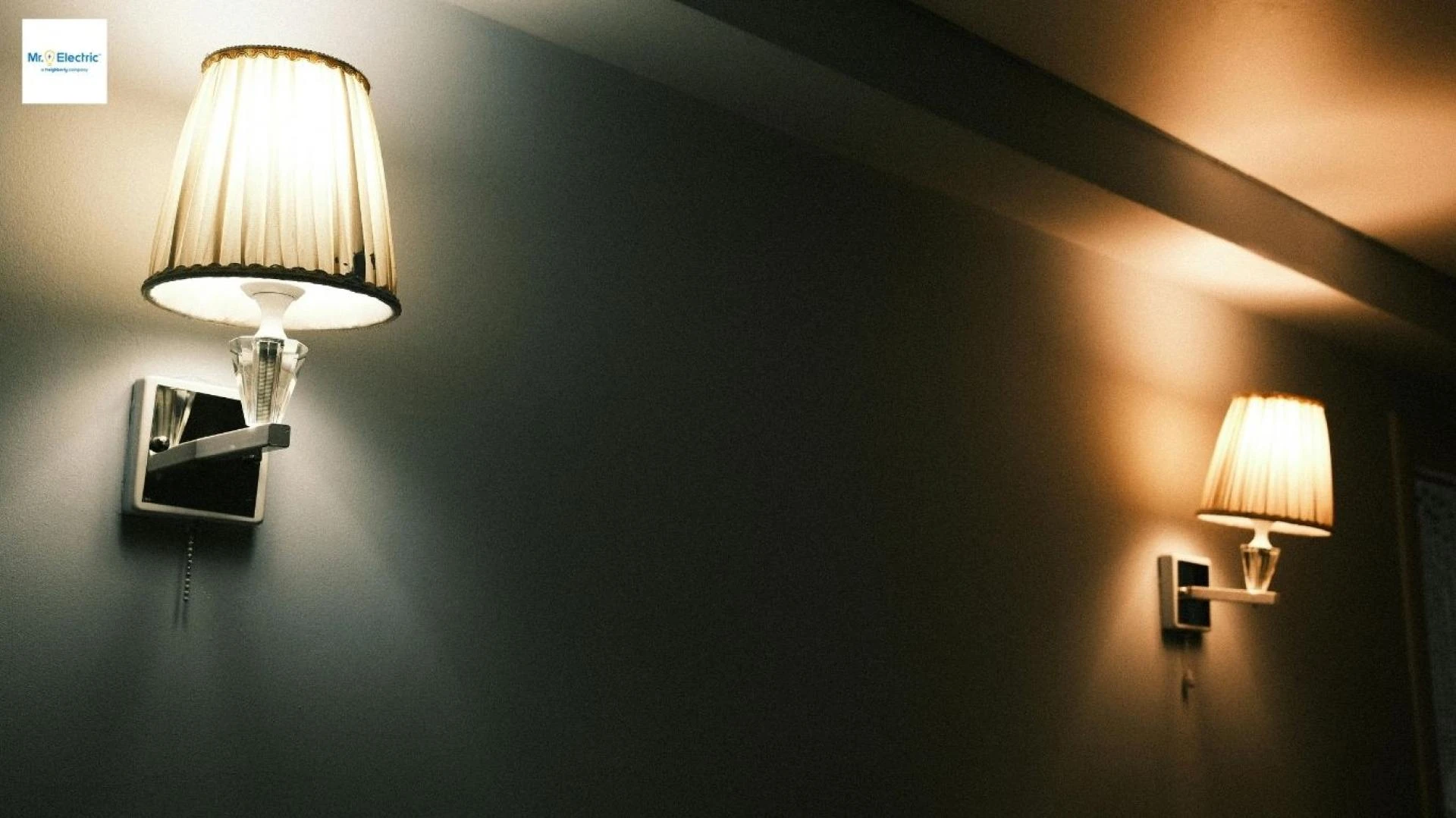
Flickering lights are more than just an annoyance—they can signal serious electrical issues in your home. Many homeowners searching for an electrician in Grand Prairie, TX often notice this problem first but don’t fully understand what’s causing it. From minor bulb issues to dangerous wiring faults, flickering lights can indicate underlying problems that need immediate attention.
In this guide, we’ll break down the causes, warning signs, and practical solutions to help you protect your home and electrical system.
Understanding What Flickering Lights Mean
When your lights flicker, it usually means there’s an inconsistency in electrical flow. This can happen due to voltage fluctuations, poor connections, or overloaded circuits.
Occasional flickering might not be serious, but frequent or widespread issues can indicate deeper electrical problems such as:
- Voltage instability
- Loose wiring connections
- Circuit overload
- Electrical panel issues
Understanding the root cause is the first step toward fixing the problem effectively.
Common Causes of Flickering Lights in Homes
1. Loose or Faulty Light Bulbs
Sometimes the simplest explanation is the correct one. A loose bulb or faulty fixture can interrupt the electrical connection.
- Bulbs not screwed in properly
- Worn-out sockets
- Low-quality LED bulbs
What to do: Tighten or replace the bulb and check if the flickering stops.
2. Voltage Fluctuations
Voltage fluctuations are one of the most common causes of flickering lights in residential properties.
Signs include:
- Lights dimming when appliances turn on
- Brightness changing unexpectedly
- Flickering across multiple rooms
This can be caused by heavy appliances like air conditioners or refrigerators drawing excess power.
3. Overloaded Circuits
When too many devices run on a single circuit, it can cause instability in power distribution.
Common signs:
- Breakers tripping frequently
- Lights flickering when multiple devices run
- Warm outlets or switches
Solution: Redistribute electrical load or upgrade your circuit capacity.
4. Loose Wiring or Connections
Loose wiring is not just a cause of flickering—it’s also a serious fire hazard.
Warning signs:
- Burning smell
- Buzzing sounds from outlets
- Flickering in one specific area
This issue requires immediate attention from a professional.
5. Outdated Electrical Panel
Older homes in Grand Prairie may still rely on outdated electrical panels that cannot handle modern energy demands.
Issues include:
- Insufficient power distribution
- Frequent breaker trips
- Inconsistent voltage supply
Upgrading your panel can significantly improve performance and safety.
6. Utility Service Problems
Sometimes the issue isn’t inside your home. External problems like damaged power lines or transformer issues can cause flickering.
If your neighbors experience similar issues, it’s likely a utility-related problem.
When Flickering Lights Become Dangerous
Not all flickering lights are harmless. Some situations require immediate action:
- Flickering combined with burning smell
- Sparks from outlets
- Sudden power loss in parts of your home
- Warm or discolored switches
These signs could indicate electrical hazards or potential fire risks.
What You Should Do to Fix Flickering Lights
Step 1: Identify the Scope
Determine whether the issue is:
- Limited to one light
- Affecting one room
- Occurring throughout the house
This helps narrow down the cause.
Step 2: Check Bulbs and Fixtures
Replace bulbs and inspect fixtures for damage or wear.
Step 3: Reduce Electrical Load
Unplug unnecessary devices and see if flickering stops.
Step 4: Inspect Your Electrical Panel
Look for:
- Tripped breakers
- Signs of overheating
- Outdated fuse systems
Step 5: Call a Professional Electrician
If the problem persists, it’s best to consult a licensed electrician to diagnose and fix the issue safely.
Preventing Flickering Lights in the Future
Prevention is key to avoiding costly repairs and safety risks.
Upgrade Your Electrical System
Modern homes require updated panels and wiring to handle increased power demand.
Use Quality Electrical Components
Cheap bulbs and fixtures often lead to inconsistent performance.
Schedule Regular Electrical Inspections
Routine inspections help detect issues early before they become serious.
Install Dedicated Circuits
Heavy appliances should have separate circuits to prevent overload.
How Flickering Lights Affect Your Home
Ignoring flickering lights can lead to:
- Increased energy bills
- Damage to appliances
- Reduced lifespan of electrical components
- Fire hazards
Addressing the issue early ensures long-term safety and efficiency.
Why Professional Help Matters
DIY fixes may solve minor issues, but electrical systems are complex. A professional electrician ensures:
- Accurate diagnosis
- Safe repairs
- Compliance with electrical codes
- Long-term solutions
In the last analysis, choosing a trusted electrician service provider like Mr. Electric of Dallas ensures your home’s electrical system is handled with expertise and care, helping you eliminate flickering issues permanently while improving safety and efficiency.
FAQs
1. Why do my lights flicker when I turn on appliances?
This usually happens due to voltage fluctuations caused by high-power appliances drawing electricity.
2. Is flickering lights a serious problem?
It can be. Occasional flickering is minor, but frequent flickering may indicate wiring or panel issues.
3. Can flickering lights cause a fire?
Yes, especially if caused by loose wiring or faulty connections.
4. Should I replace my electrical panel for flickering lights?
If your panel is outdated or overloaded, upgrading it can solve the issue and improve safety.
5. When should I call an electrician?
If flickering persists, affects multiple areas, or is accompanied by warning signs like burning smells or buzzing sounds, call a professional immediately.