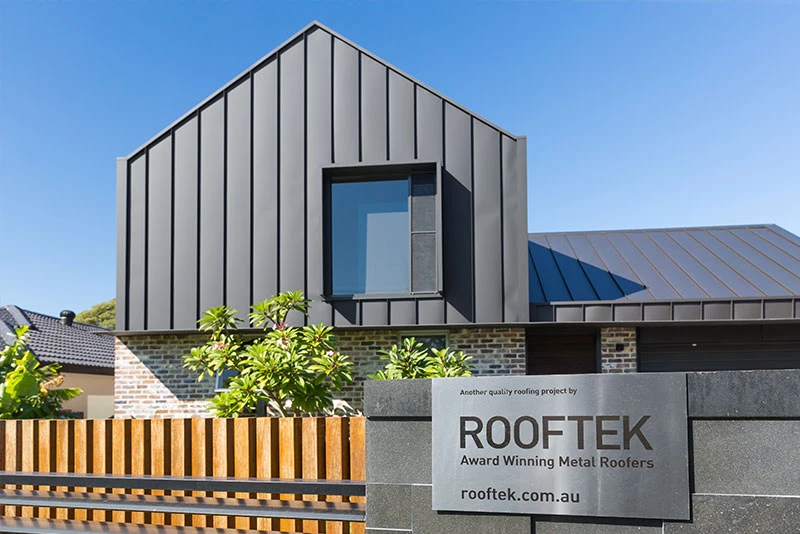
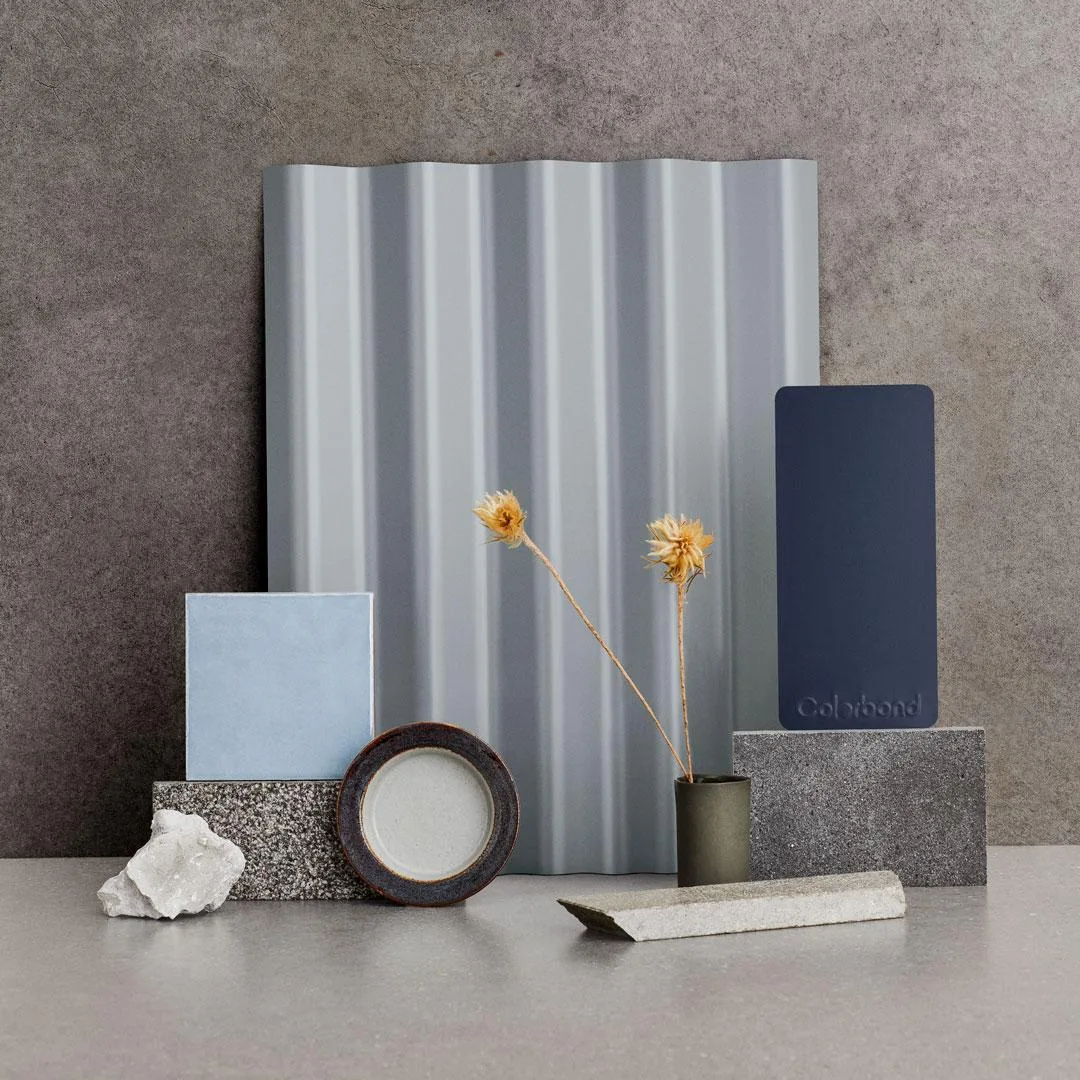
The street appeal of your property relies heavily on the looks of the property, and the roof colour plays a major role in this. A freshly installed Colorbond roof will not just transform your property, but also give it a glamorous look. Added weather protection will be there, provided that the colour selection is not focused entirely on the appearance. When selecting the right colour from a Colorbond roofing colour chart in Australia, residential and commercial property owners should prioritise factors such as climate, heat performance, and long-term maintenance. Decision-making will become easier for homeowners when selecting a light or dark colour based on the elements discussed above.
IMPORTANCE OF ROOFING COLOUR IN AUSTRALIAN CONDITIONS
The climate conditions are not at all favourable for any roof material used on residential and commercial properties. Harsh sun, coastal salt, air, moisture, and sudden temperature swings influence the condition and performance of all roofing structures, including Colorbond roofs. The colour also affects how well your home manages heat, and the type of colour determines how well it does so. For example, light coloured Colorbond roofing structures reflect sunlight, whereas dark roof colours absorb it. The basic principle applied here influences indoor comfort and the energy costs the family will incur.
Research by the Australian Government’s energy-efficient resources has highlighted how reflective roofing can help reduce cooling demand during the summer months, particularly in warmer regions like Queensland and Western Australia. However, it is worth noting that lighter colours are not always suitable for every home or region. Design harmony also matters, and keeping this in mind, some homeowners can consider other colours and tones present in the Colorbond roofing colours chart in Australia.
COLORBOND ROOF COLOUR RANGE – A BRIEF EXPLANATION
Every Colorbond roofing colours chart in Australia offered to property owners has over 22 shades and colour designs, keeping Australian homes and landscaping in mind. Each colour falls within a carefully developed palette inspired by the country’s natural environment.
COMMON CATEGORIES INCLUDE:
- Light tones – surfmist, shale grey, paperbark
- Mid-range neutrals – dune, evening haze, gully
- Dark tones – monument, woodland grey, basalt
These colours appear quickly on modern developments, coastal properties and traditional suburbs. The palette is designed to collaborate well with Australian bricks, renders and timber façades rather than competing.
Colorbond steel is manufactured by BlueScope – the largest manufacturer of steel roofing solutions- and uses coloured coating technology on corrosion-resistant steel. This makes Colorbond roof the most widely used roofing material in the country.
LIGHT ROOF COLOURS: PRACTICAL BENEFITS
Australian homeowners lean towards lighter roofing colours for several practical reasons. The difference becomes easily noticeable during long summer periods when the roofing surface is exposed to intense sunlight, ultraviolet rays, unexpected rainfall, etc. Advantages of lighter shades present in the Colorbond roofing colours chart in Australia are –
- Reduced heat absorption because light colours reflect more solar radiation, which helps keep roof cavities cooler.
- Lower cooling costs in homes in warmer states that often experience reduced reliance on air conditioning.
- Clean, modern appearance for contemporary homes, and they frequently pair pale roofing with white render or light brick.
- Better performance in hot climates, and this is particularly useful in regions with long summers and minimal winter cold.
Surfmist and shale grey remain the two most popular colour selections in terms of Colorbond roofing on new homes. They are a perfect balance of energy performance with neutral styling. The downside of lighter colours is that Colorbond roofs show dirt more quickly due to dust, leaf staining, and pollution marks. They are more easily visible on pale finishes, particularly in suburban areas, where trees and pollution both are available in adequate quantities.
DARK ROOF COLOURS – DESIGN AND CONTRAST
Darker shade available for Colorbond roof carries a strong visual impact. They are a preferred choice for architects and home builders, particularly when they want a home to stand out against lighter walls and natural surroundings. The most popular dark colour options available in the Colorbond roofing colours chart in Australia are monument, basalt and woodland grey. These colours are very commonly seen on modern architectural buildings in Melbourne and Sydney, and they come with the following advantages.
- Bold visual contrast as dark roofs create strong definition against white or light façades.
- Lower visible staining because dirt and organic debris tend to blend more easily.
- Premium architectural appearance and dark roofing suit modern and industrial-style homes.
An important point to note is that dark coloured Colorbond roofs absorb more heat, particularly in hot regions. In these circumstances, the attic’s temperature can climb really quickly in the absence of proper insulation and ventilation. To negate the situations, builders have to install upgraded insulation systems or properly ventilated roofing spaces in residential and commercial properties.
CLIMATE CONDITIONS AND THEIR IMPACT ON COLOUR CHOICE
Australia has multiple climate zones, and the Colorbond roof performs differently across each one. The colour selection should also focus on the particular climate region where you live. A practical rule of thumb that vendors and contractors of Colorbond roof solutions follow is –
- Hot climates (QLD, NT, WA) – lighter roofs usually perform better
- Temperate zones (NSW, VIC) – colour choice becomes more flexible
- Cooler southern regions – darker roofs may offer minor winter warmth benefits
The thermal performance data released by the AUSTRALIAN BUILDING INDUSTRY and the National Construction Codes Board have clear guidelines related to energy-efficiency standards for residential buildings. This data can be used to select the colour from the Colorbond roofing colours chart in Australia for your residential or commercial property. The colour choice is also influenced a lot by the local council planning guidelines, particularly for certain development and heritage areas.
MATCHING COLORBOND ROOF COLOUR TO THE HOME
Your Colorbond roof colour must work with the exterior palette because a poor colour combination will stand out immediately from the street. Builders and roofing contractors follow some basic principles while selecting the roof colour for your Colorbond roofing in Australia.
WORKING WITH EXISTING MATERIALS
Brick tone will play a major role when selecting the colour from the Colorbond roofing colours chart in Australia. Red brick homes work well with deep grey colours, whereas cream bricks gel very easily with warmer neutral colours.
AVOIDING COMPETING COLOURS
Exterior palettes work best when limited to 2 or 3 key tones rather than selecting multiple colours for your residential or commercial Colorbond roofing solution.
CONSIDER THE LANDSCAPE
Homes surrounded by bushland often suit darker tones, as these tones blend naturally with the environment. Homeowners can visualise this combination easily before committing by reviewing the Colorbond roofing colours chart in Australia. This review will reveal how these combinations and principles used by roofing contractors work in real-world situations.
COMMON MISTAKES THAT HOME OWNERS COMMIT
Even after proper guidance on selecting between dark and light Colorbond roof colours, homeowners commit several mistakes that cost money to fix later. It is a good idea to consult roofing contractors while going through the colour samples present in the Colorbond roofing colours charts in Australia. Here are some common pitfalls homeowners should stay away from –
- Choosing colour under indoor lighting
- Outdoor light dramatically changes how colours appear.
- Ignoring surrounding houses
- An overly bold colour can clash with neighbouring homes.
- Overlooking long-term maintenance
- Dust, bird droppings, and tree debris affect colours differently.
- Forgetting future resale value
- Neutral colours generally appeal to more buyers.
MAINTENANCE DIFFERENCES BETWEEN LIGHT AND DARK COLORBOND ROOF COLOURS
The colour influences how the roof will age visually and how the material will perform. Lighter colours show signs of dust accumulation, leaf staining and urban population really fast, whereas darker colours hide these imperfections very smartly. However, they display fading due to prolonged exposure to ultraviolet sunrays and unprecedented rainfall.
FAQs
WHAT IS THE MOST POPULAR COLORBOND ROOF COLOUR IN AUSTRALIA?
- Monument, surfmist, and woodland grey consistently rank among the most widely chosen colours.
- Monument remains especially popular in modern architectural builds.
DO DARK ROOFS MAKE HOUSES HOTTER IN AUSTRALIA?
- Dark roofing absorbs more solar radiation.
- This can increase roof cavity temperatures.
- Proper insulation and ventilation reduce this impact.
WHICH COLORBOND COLOUR REFLECTS THE MOST HEAT?
- Surfmist and other light shades reflect higher levels of solar radiation.
- They are well-suited to warmer climates.
DO ROOF COLOURS AFFECT PROPERTY VALUE?
- Neutral colours generally attract broader buyer interest.
- Highly unusual colours can reduce resale appeal.
CAN I CHANGE ROOF COLOUR WITHOUT REPLACING THE ROOF?
- In some cases, roof painting provides an alternative.
- However, full replacement often delivers better long-term performance.