
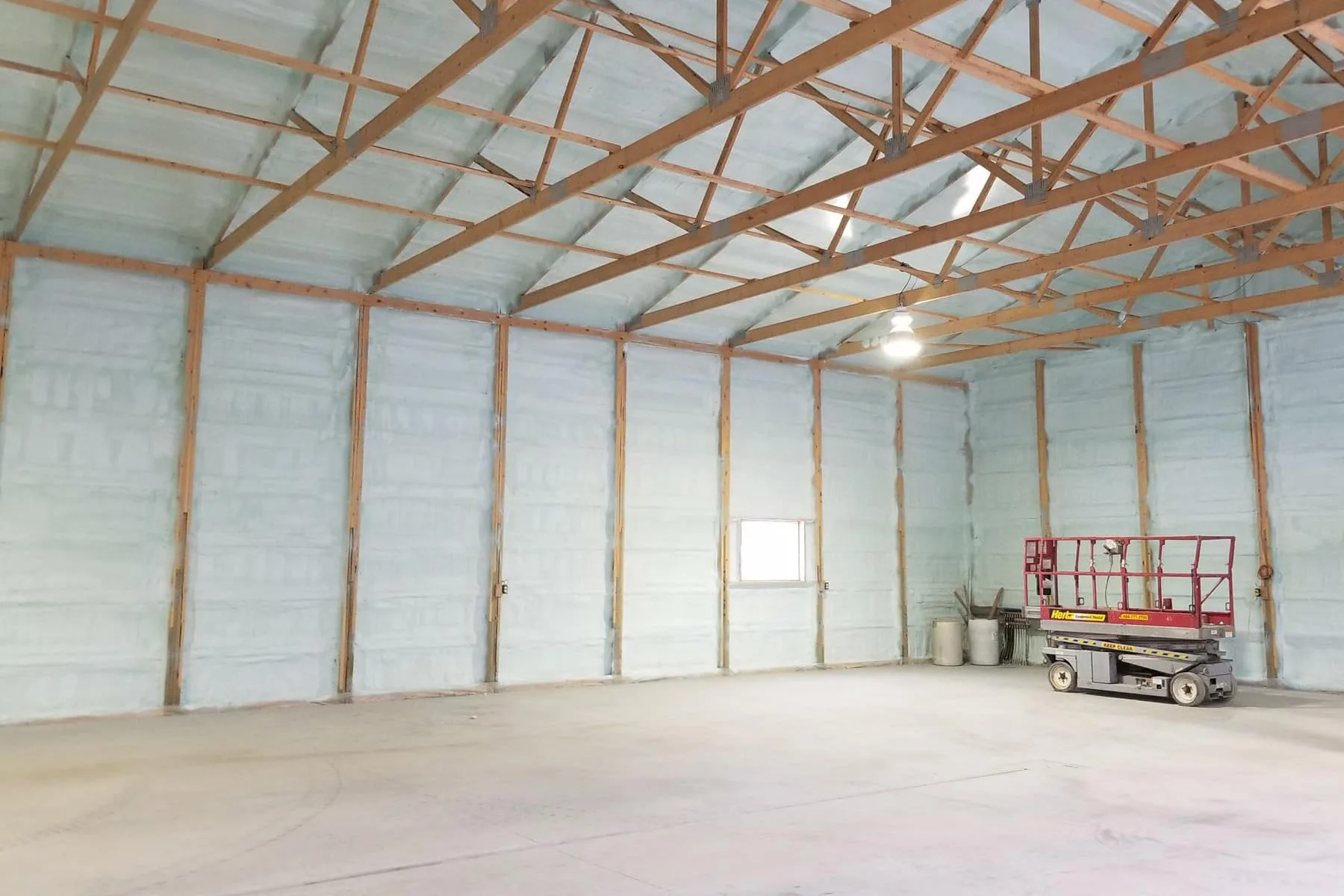
We helped lower livestock mortality rates in Beverly, Chicago by installing high-performance spray foam insulation that creates a stable and controlled environment inside the barn. The primary reason animals struggle in traditional pole barns is the extreme fluctuation in temperature. By sealing the building envelope, we stopped the life-threatening heat stress that occurs during Illinois summers and the bone-chilling drafts that lead to pneumonia in the winter. Our team focused on creating a thermal barrier that prevents the interior temperature from mirroring the harsh outside weather.
Beyond just temperature, we addressed the moisture and air quality issues that often kill young or vulnerable animals. In many Beverly, Chicago farm buildings, metal roofs and walls lead to heavy condensation. This dripping water creates damp bedding where bacteria thrive. By using closed-cell spray foam, we eliminated condensation and improved the effectiveness of the barn ventilation systems. This keeps the air cleaner and the floors drier, which are two of the most important factors in keeping livestock alive and healthy.
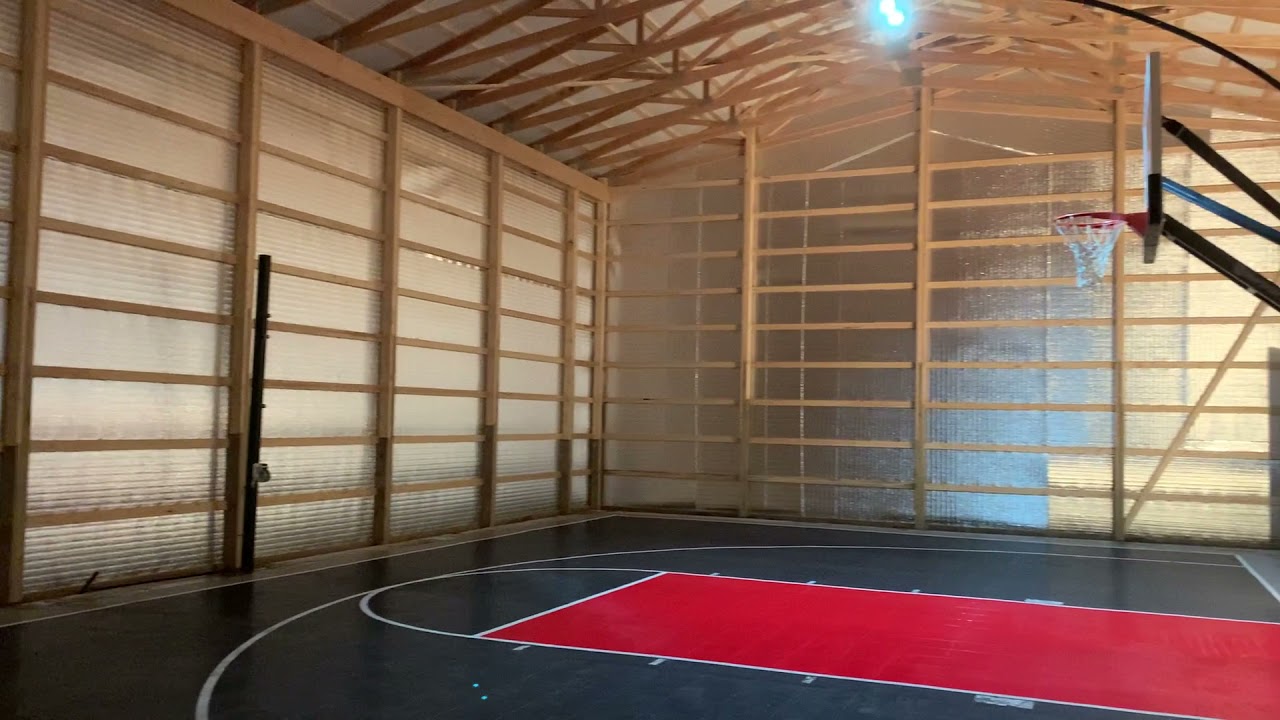
The Connection Between Temperature and Animal Health
Every animal has a thermoneutral zone. This is the temperature range where they do not have to work hard to stay warm or stay cool. When a pole barn has poor insulation, the animals spend all their energy trying to maintain their body temperature. This weakens their immune systems. We have seen that in Beverly, Chicago, the humidity combined with high heat can lead to rapid livestock loss. Our pole barn insulation for livestock health works by keeping the interior temperature within that safe zone.
When we upgrade a barn, we look at how the building handles the sun. A metal building without insulation acts like an oven. The radiant heat from the roof beats down on the animals, causing their heart rates to spike and their respiratory systems to fail. By applying insulation directly to the underside of the roof, we stop that radiant heat transfer before it even enters the space.
Preventing Heat Stress in Summer
Heat stress is a silent killer in the livestock industry. In Beverly, Chicago, summer days are often accompanied by stagnant air and high humidity. We found that many farmers were relying solely on fans, but fans only move hot air around. If the building itself is 100 degrees, the fans are just blowing 100-degree air on the animals.
Our farm insulation upgrades in Beverly, Chicago, IL focus on lowering the actual surface temperature of the walls and ceilings. When we insulate, the ambient temperature inside the barn can stay 15 to 20 degrees cooler than the outside air. This difference is often the gap between a healthy herd and a significant loss.
Cold Weather Protection for Farm Animals
Winter in Illinois brings a different set of risks. Newborn calves, lambs, and piglets are especially susceptible to the cold. We often see mortality rates climb when frigid winds blow through small gaps in the siding or under the eaves of a pole barn. Our insulation fills every crack and crevice, stopping those icy drafts.
We also use insulation to protect the water lines. If the interior of the barn stays above freezing because of the thermal mass we have created, the animals always have access to liquid water. Dehydration in the winter is a common cause of death that many people overlook.
Bonus Tip: When planning your insulation, always consider the height of the ceiling. If you have a very high ceiling, we recommend insulating the roof deck rather than creating a drop ceiling. This allows for better natural airflow while still keeping the heat where it belongs.
Managing Moisture and Air Quality
One of the biggest problems we solve for Beverly, Chicago farmers is "rain" inside the barn. This happens when warm air from the animals rises and hits a cold metal roof. The water vapors turn into liquid and drip back down onto the livestock and their bedding.

Wet bedding is a breeding ground for pathogens. It also pulls heat away from an animal’s body much faster than dry air. When we apply spray foam, it acts as a vapor barrier. Since the surface of the foam stays closer to the air temperature, condensation cannot form. This keeps the environment dry and significantly reduces the risk of respiratory infections.

Improving Barn Ventilation and Insulation
Insulation and ventilation must work together. Many people think that if they insulate, the barn will become too "tight" and the air will get stale. In reality, our insulation allows your ventilation system to do its job correctly. When we seal the leaks, we can control exactly where the air enters and leaves.
We use insulation to create a "chimney effect" or to help power ventilators move air efficiently. Without insulation, air leaks everywhere, and the fans cannot create the pressure needed to pull fresh air through the entire building. Better air movement means lower ammonia levels. High ammonia levels damage the lungs of livestock, making them more likely to die from secondary infections.
Why Spray Foam is the Standard for Livestock
We recommend spray foam insulation in Beverly, Chicago, IL over fiberglass or cellulose for agricultural buildings every time. In a barn, you are dealing with dust, moisture, and pests. Traditional batts will eventually sag under the weight of moisture and become a home for mice and rats.
Spray foam is a hard, dense material that rodents find difficult to chew through. It also does not provide the soft nesting material that they love. By keeping the pests out, we also reduce the spread of diseases that these animals carry into the barn. This is another way our insulation's impact on livestock productivity is seen clearly by our clients.
Things to Consider Before Making a Decision
Choosing to upgrade your barn is a big investment. We want our customers to make the best choice for their specific needs. Here are a few things to think about:
- Animal Type: Different animals have different temperature needs. For example, poultry barns require much tighter temperature control than beef cattle barns. We can help you determine the right thickness of foam based on what you are raising.
- Existing Structure: If your pole barn is older, we need to inspect the structural integrity of the wood and metal before applying foam. We make sure the building is ready to handle the upgrade.
- Wash-Down Requirements: If you regularly power wash the inside of your barn, you need an insulation that can stand up to the water. Closed-cell spray foam is ideal for this because it is waterproof and can be cleaned easily.
- Local Climate: Beverly, Chicago experiences both extremes. You need a solution that handles the humidity of July and the sub-zero temperatures of January.
- Ventilation Plan: Ensure you have a plan for moving air. We often work with farmers to adjust their fan placement after the insulation is installed to maximize the new efficiency.
Bonus Tip: Check with your local utility provider or agricultural extension office. There are often grants or rebates available for energy-efficient pole barn insulation that can help offset the initial cost of the project.
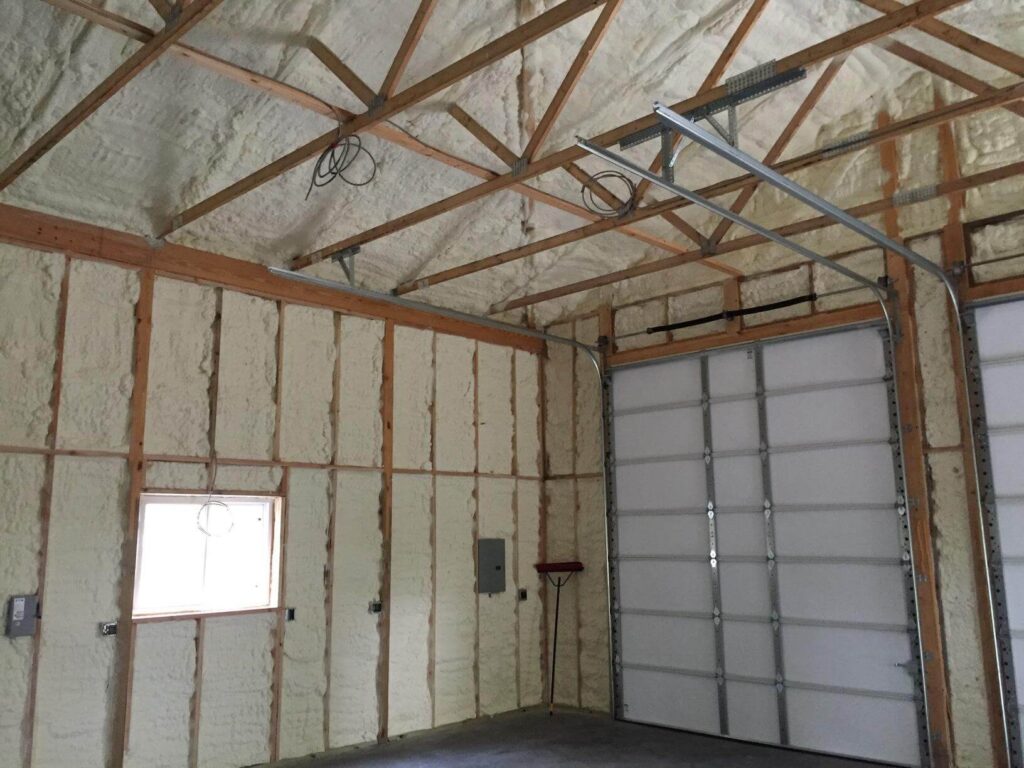
How Insulation Improves Productivity
While lowering the mortality rate is the primary goal, the side benefits are also impressive. When animals are not stressed by the weather, they grow faster. They use the calories from their feed to build muscle or produce milk rather than just trying to stay alive.
We have seen farmers in Beverly, Chicago report better feed conversion ratios after we finished their barn insulation. This means the animals are more profitable over their lifetime. The investment in insulation often pays for itself in just a few years through reduced vet bills, lower mortality rates, and better growth.
Common Questions About Barn Insulation
Does spray foam insulation produce fumes that hurt the animals?
We use materials that are safe once they are fully cured. During the installation, we require the barn to be empty of livestock. However, once the foam has set, which usually happens within 24 hours, it is inert and does not off-gas. It is safe for the animals to return to their housing.
How do you handle insulation in barns with high ammonia?
High ammonia is exactly why we recommend closed-cell foam. Traditional insulation absorbs those odors and the chemical compounds, which can eventually break down the material. Closed-cell foam is dense and non-porous, so it does not trap the ammonia smells or degrade in that environment.
Can we insulate only the roof to save money?
While the roof is where the most heat transfer happens, we usually recommend doing the walls as well. If you only do the roof, you still have massive energy loss and drafts coming through the sides. For the best livestock housing insulation solutions, a complete seal is the most effective approach.
Will the insulation attract bugs?
No, unlike organic materials like cellulose or soft fiberglass, spray foam does not provide a food source or an easy nesting ground for insects. It actually helps keep them out by sealing the tiny gaps they use to enter the building.
How long does the installation process take for a standard barn?
Most of our projects in Beverly, Chicago are completed in two to four days. It depends on the size of the barn and how much prep work is needed. We work quickly to minimize the time your animals have to be out of their normal housing.
Looking Ahead for Your Beverly, Chicago Farm
Maintaining a healthy herd starts with the environment you provide. We have seen firsthand how much a simple upgrade can change the outcome for a farm. By focusing on temperature control, moisture reduction, and air quality, we help you protect your investment and your animals.
Upgrading your insulation is a proactive step toward a more stable and profitable operation. We are proud to serve the Beverly, Chicago community and help our local farmers reach their goals for animal welfare and productivity.
Get in Touch for a Better Barn Environment
If you are concerned about the health of your livestock during the upcoming season, we are here to help. Our team at South Chicago Insulation has the experience needed to handle the specific demands of agricultural buildings. We can provide a detailed evaluation of your current barn and show you exactly how our insulation solutions will benefit your animals. Whether you are looking to prevent heat stress or stop winter drafts, we have the tools to get it done.
Contact us today at (779) 803-8025 or reach out via email at [email protected]. We look forward to helping you improve your farm and protect your livestock.