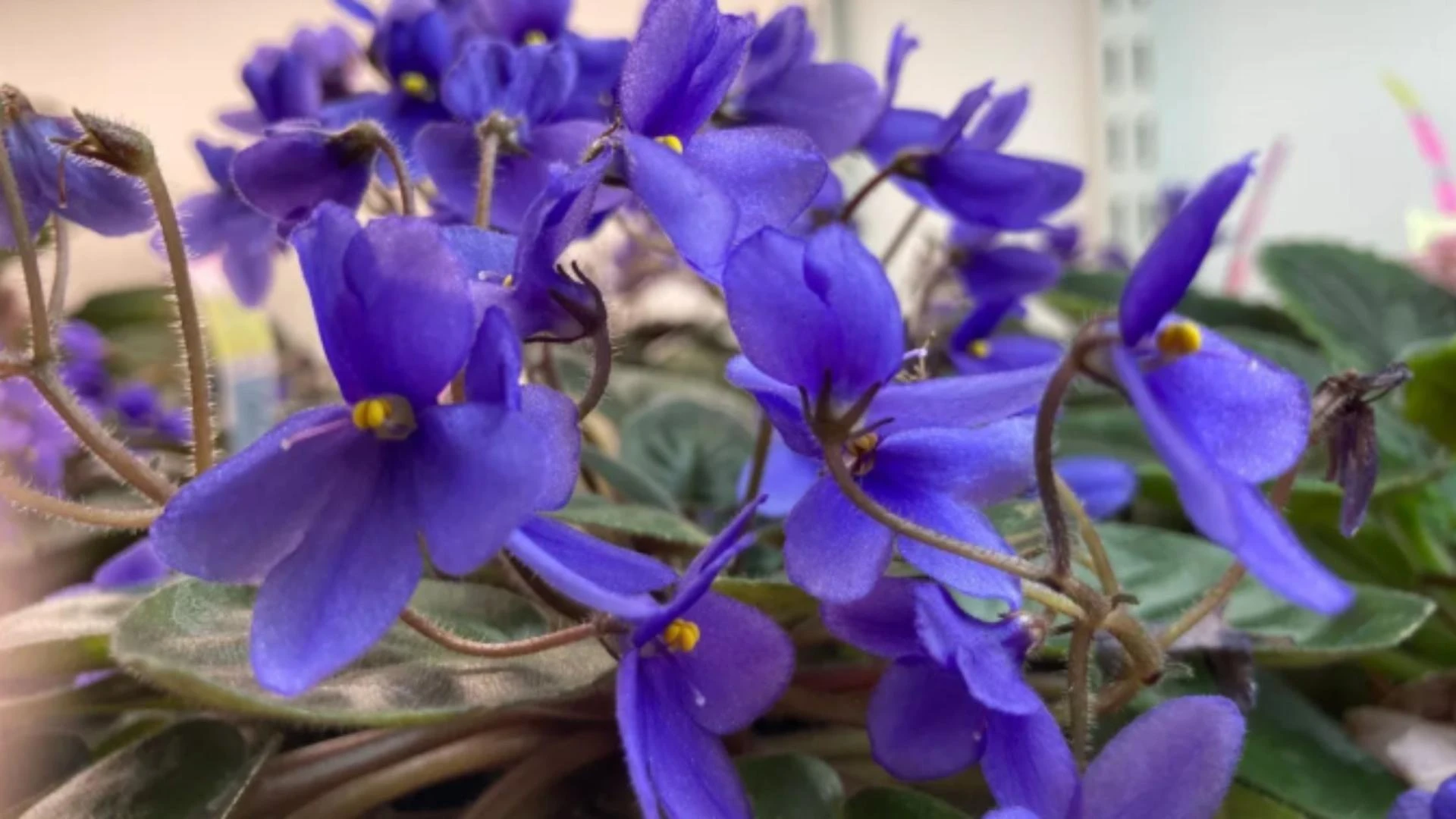
Understanding the light requirements for African violet seeds is essential for their healthy growth. African violets seeds need bright, indirect light to develop strong leaves and vibrant blooms. Too little light slows growth and causes weak plants, while direct sunlight can burn delicate leaves. By placing seedlings near a bright window or using artificial grow lights, gardeners can provide the ideal conditions. Proper light ensures seedlings grow into healthy, flowering plants. Beginners who follow these guidelines can enjoy beautiful African violet grown from seeds without the frustration of poor growth.
Quick Overview
African violet seedlings are sensitive to light. They need enough brightness to grow but not so much that the leaves get burned. Natural light, artificial lighting, and the duration of light exposure all matter. This guide explains the best lighting options, placement tips, and simple care strategies to help seedlings thrive. Following these steps allows gardeners to cultivate strong plants from these seeds.
Table of Contents
- Natural Light for African Violet Seedlings
- Artificial Light Options
- Duration of Light Exposure
- Signs of Too Much or Too Little Light
- Placement Tips for Indoor Seedlings
- Combining Light with Other Care Practices
- Why Light Is Critical for Seedling Health
- Conclusion
- FAQs
1. Natural Light for African Violet Seedlings
African violet seedlings do well in bright, indirect sunlight. A north- or east-facing window is usually best. Direct sunlight can scorch leaves, while windows with curtains or sheer coverings can filter the light for safety. Morning sun is preferred over harsh afternoon rays. Beginners should rotate seedlings occasionally to ensure even light exposure and prevent uneven growth.
2. Artificial Light Options
For gardeners with limited natural light, artificial lighting works well. Fluorescent lights, LED grow lights, or compact fluorescent bulbs provide sufficient light for seedlings. Place lights about 6–12 inches above the plants. Artificial lights allow for consistent light exposure and can be used during darker months or in apartments without sunny windows.
3. Duration of Light Exposure
Seedlings require around 12–14 hours of light each day. Too little light leads to leggy, weak plants, while too much light can stress seedlings. A timer can help maintain a consistent schedule, especially when using artificial lights. Consistency in light exposure promotes steady growth and prepares seedlings for flowering.
4. Signs of Too Much or Too Little Light
Gardening beginners should watch for visual cues:
- Too little light: Leaves grow long and thin, plants appear pale, and growth is slow.
- Too much light: Leaves may curl, fade, or develop brown spots.
Adjusting placement or lighting intensity can correct these problems quickly.
5. Placement Tips for Indoor Seedlings
- Keep seedlings on a bright windowsill with filtered light.
- Use reflective surfaces like white walls or foil to increase light exposure.
- Rotate plants every few days to ensure even growth.
- Avoid drafts or extreme temperature changes near windows.
Following these tips helps seedlings grow evenly and develop strong roots.
6. Combining Light with Other Care Practices
Light works best when paired with proper watering, humidity, and soil. African violet seedlings prefer light, well-draining soil and moderate humidity. Overwatering or soggy soil can harm roots even if lighting is perfect. Consistent care in all areas supports healthy, flowering plants.
7. Why Light Is Critical for Seedling Health
Light fuels photosynthesis, which allows seedlings to produce energy for growth. Without proper light, seedlings remain weak and may fail to thrive. Healthy light conditions lead to strong leaves, better color, and earlier flowering. Providing the right light from the beginning ensures a successful indoor gardening experience.
Concluding thoughts
The light requirements for African violet seedlings are simple but crucial. Bright, indirect light for 12–14 hours a day, combined with good soil, water, and care, leads to strong, healthy plants. For beginners who want to start growing African violets successfully, Nadeau African Violet Seeds offers high-quality seeds and guidance. You can buy violet seeds online today at this site and begin your journey to a beautiful indoor violet collection.
Frequently Asked Questions
1. How much light do African violet seedlings need daily?
Seedlings need about 12–14 hours of bright, indirect light each day to grow strong and healthy.
2. Can African violet seedlings survive under artificial light?
Yes, fluorescent or LED grow lights work well and can replace natural light if sunlight is limited.
3. What happens if seedlings get too much light?
Too much light can cause curling leaves, faded colors, or brown spots. Adjust placement or filter sunlight.
4. What if seedlings don’t get enough light?
Leaves become thin, pale, and leggy, and growth slows. Move seedlings to brighter locations or use supplemental lighting.
5. Should I rotate seedlings near windows?
Yes, rotating seedlings every few days ensures even growth and prevents uneven leaf development.
6. Can African violet seedlings flower under artificial light?
Yes, proper light intensity and duration support healthy growth and flowering even under artificial lighting.