Photography is a powerful medium that allows us to capture moments, tell stories, and express creativity. While many people focus on the camera body, it is the lens that truly shapes how an image looks. From framing and perspective to sharpness and depth, the lens plays a defining role in the final result. Understanding different lenses for camera systems and their applications can help photographers of all levels make better choices and improve their skills.
In today’s world, where the digital camera has become widely accessible, the variety of lenses available can feel overwhelming. Each type is designed for specific purposes, and knowing how they work will help you select the right one for your needs. This guide explores the major types of lenses, their uses, and the benefits they offer.
Understanding the Role of a Camera Lens
A camera lens is responsible for directing light onto the sensor, allowing the camera to capture an image. It determines how much of the scene is visible, how sharp the details appear, and how the subject is separated from the background.
When using a digital camera, interchangeable lenses provide flexibility and creative control. Instead of being limited to a single perspective, you can adapt your equipment to suit different photography styles, from portraits to landscapes and beyond.
Key Concepts You Should Know
Before diving into lens types, it’s important to understand a few fundamental concepts:
Focal Length
Focal length, measured in millimeters (mm), determines the field of view and magnification. Short focal lengths capture wider scenes, while longer focal lengths bring distant subjects closer.
Aperture
Aperture controls how much light enters the lens. It is expressed as f-numbers such as f/1.8 or f/8. A wider aperture allows more light and creates a shallow depth of field.
Depth of Field
This refers to how much of the image is in focus. A shallow depth of field isolates the subject, while a deep depth of field keeps more of the scene sharp.
Types of Camera Lenses
There are several categories of lenses, each designed for specific purposes. Understanding these types will help you choose the right option for your photography style.
1. Cine Lenses
Cine lenses are specially designed for video production, offering precise control over focus, aperture, and zoom. Unlike standard photography lenses, they are built to deliver smooth and consistent performance during filming.
Uses:
- Professional filmmaking
- Video production
- Commercial shoots
- Documentary work
Benefits:
- Smooth, de-clicked aperture control for seamless exposure changes
- Geared focus and zoom rings for precise manual adjustments
- Consistent optical performance across different focal lengths
- Minimal focus breathing for stable framing
Cine lenses are engineered for accuracy and control, allowing filmmakers to achieve consistent results across scenes. They often use standardized designs and advanced mechanisms that make them ideal for professional video workflows, especially when paired with follow-focus systems and external controls.
2. Prime Lenses
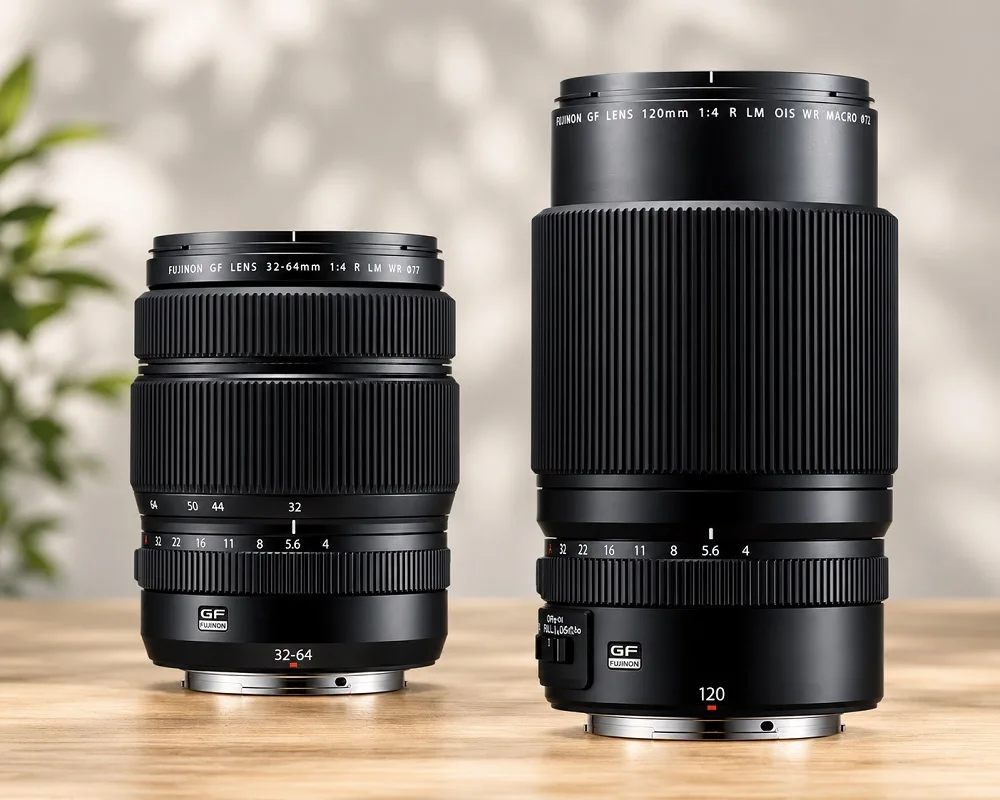
Prime lenses have a fixed focal length, meaning they do not zoom. While this may seem limiting, they offer several advantages.
Uses:
- Portrait photography
- Low-light photography
- Artistic shooting
Benefits:
- Superior image quality
- Wider apertures
- Lightweight design
Prime lenses encourage photographers to think more about composition, as they require physical movement to frame shots.
3. Zoom Lenses
Zoom lenses offer a range of focal lengths in a single lens, providing flexibility and convenience.
Uses:
- Travel photography
- Events and weddings
- Everyday shooting
Benefits:
- Versatility
- Reduced need to switch lenses
- Convenience in dynamic situations
Zoom lenses are ideal for photographers who need to adapt quickly to changing scenes.
4. Teleconverters
Teleconverters are optical accessories that attach between the lens and the camera, extending the focal length of compatible lenses. Instead of changing the lens itself, they increase magnification, allowing you to get closer to distant subjects.
Uses:
- Wildlife photography
- Sports photography
- Capturing distant subjects
- Extending telephoto reach
Benefits:
- Increases focal length (e.g., 1.4x or 2x magnification)
- Maintains autofocus and camera communication
- Compact and lightweight compared to large telephoto lenses
- Preserves overall optical performance of the original lens
Teleconverters are a practical solution when you need extra reach without carrying additional heavy lenses. They expand shooting possibilities by effectively multiplying the focal length, though they may slightly reduce the amount of light reaching the sensor and impact maximum aperture.
Choosing the Right Lens for Your Needs
Selecting the right lens depends on your photography goals and shooting style. Here are some factors to consider:
Purpose
Identify what you want to shoot most often. Different lenses are suited for different scenarios, so understanding your needs is the first step.
Budget
Lenses come in a wide price range. While high-end lenses offer better performance, there are many affordable options that deliver excellent results.
Portability
Consider the size and weight of the lens, especially if you plan to carry it frequently. A lighter lens is more convenient for travel and everyday use.
Compatibility
Ensure that the lens is compatible with your digital camera system. Different brands use different mounts, so compatibility is crucial.
Benefits of Using the Right Lens
Choosing the right lenses for camera systems offers several advantages:
Improved Image Quality
High-quality lenses produce sharper images with better color accuracy and contrast.
Creative Control
Different lenses allow you to experiment with perspective, depth of field, and composition.
Versatility
Having multiple lenses enables you to adapt to different shooting conditions and subjects.
Professional Results
Using the appropriate lens for a specific scenario can significantly enhance the overall quality of your work.
Common Mistakes to Avoid
When selecting a lens, it’s important to avoid common pitfalls:
- Choosing a lens based solely on price
- Ignoring compatibility with your camera
- Overlooking weight and portability
- Buying lenses you don’t actually need
Taking the time to research and understand your requirements can help you avoid these mistakes.
Conclusion
Understanding the different types, uses, and benefits of lenses for camera systems is essential for anyone interested in photography. Each lens offers unique capabilities, allowing you to capture images in ways that reflect your creative vision.
With the flexibility of a digital camera, you can explore various styles and techniques by simply changing lenses. Whether you’re capturing everyday moments, dramatic landscapes, or detailed close-ups, the right lens can make all the difference.