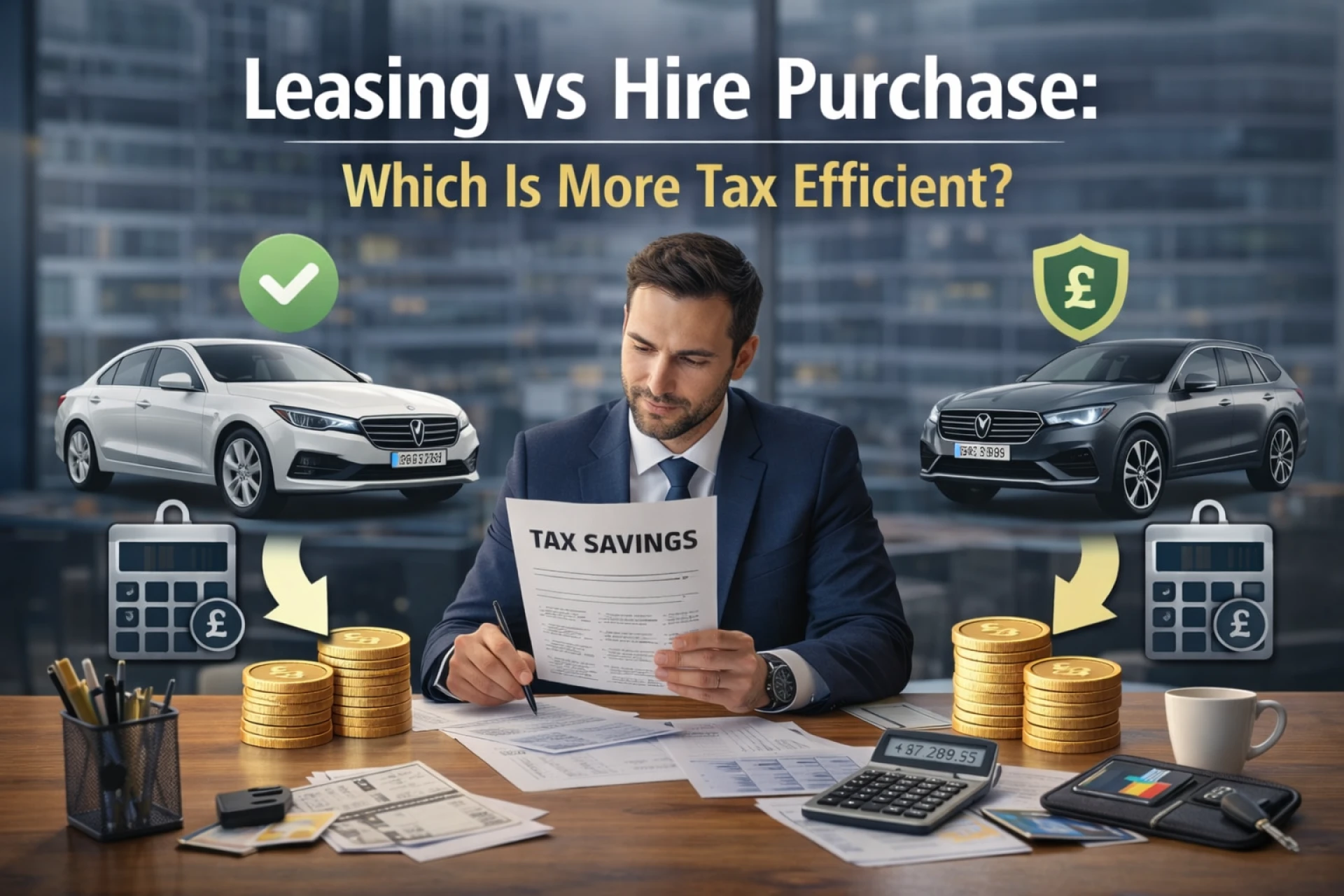
When businesses need to acquire equipment or vehicles, understanding the difference between leasing vs hire purchase is essential. Both are popular asset finance options, but they offer different benefits in terms of ownership, tax treatment, and cash flow.
With leasing, a business pays regular instalments to use an asset over an agreed period without owning it. Lease payments are usually treated as operating expenses, meaning they can often be deducted from taxable profits. This can make leasing an attractive option for companies that want lower upfront costs and predictable monthly payments.
In contrast, hire purchase allows businesses to spread the cost of an asset through instalments while working toward full ownership. After the final payment, the asset becomes the property of the business. One major advantage is that companies may claim capital allowances and sometimes recover VAT, which can provide valuable tax relief.
Ultimately, the choice between leasing vs hire purchase depends on your business goals, tax strategy, and whether ownership of the asset is important for long-term operations.