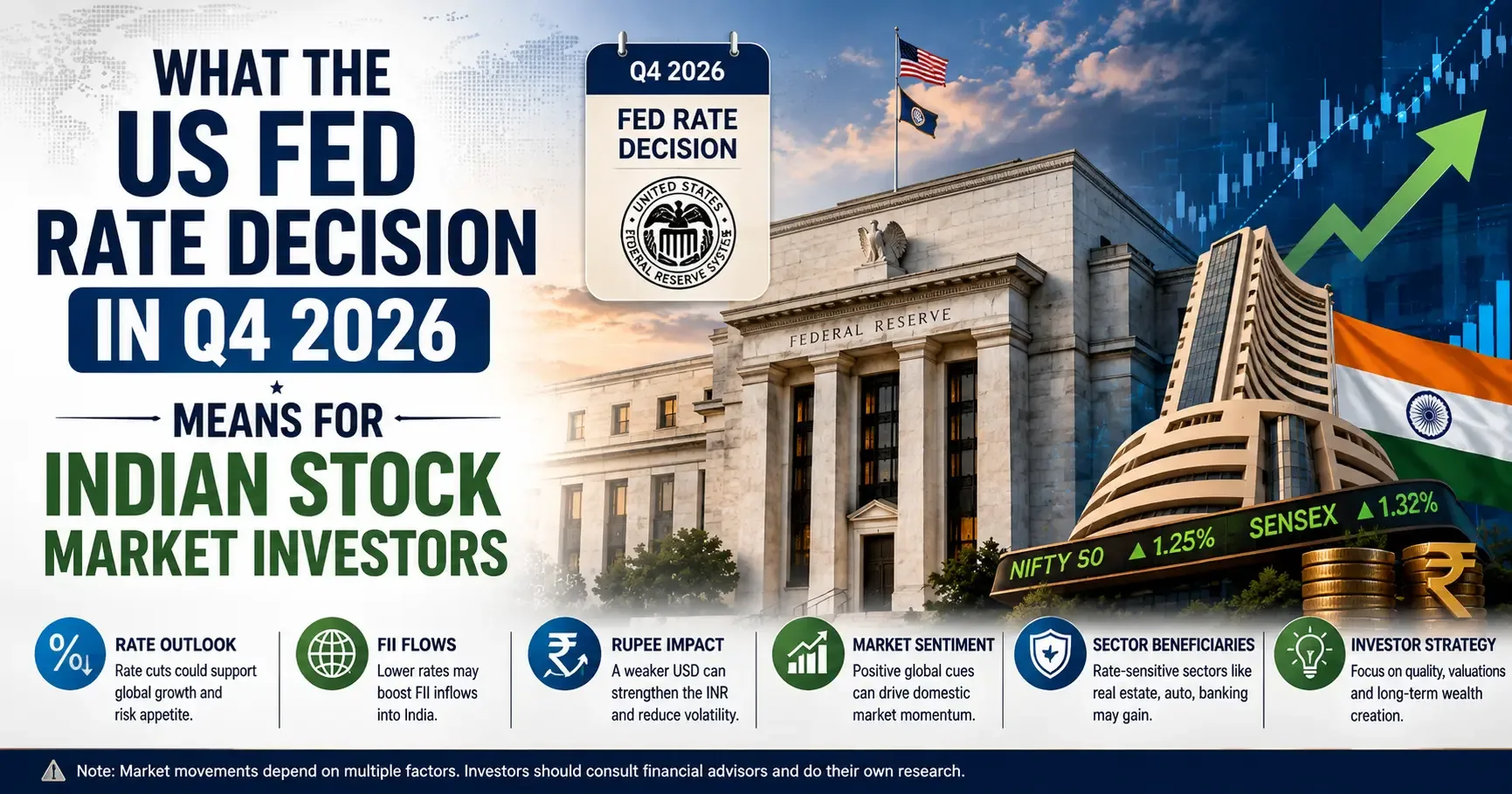
If you’ve spent any amount of time tracking the stock market, you’ll know it doesn’t move in a straight line. Every quarter brings new earnings, fresh policies, shifting sector trends, and technological disruptors. Yet many investors treat learning as a one-time event like “take the course, done.”
But the truth is: when the market changes, your knowledge should too.
Here’s why and how an online stock-market course can help you keep up.
1. Markets Move in Cycles and Quarters: Why That Matters
Markets don’t simply go up steadily. They go through phases. According to Investopedia, every market follows the pattern: accumulation → rise → peak → decline → trough. That means what worked last quarter may not work the next.
In India especially, there are sectoral seasonality patterns: one study of 20-plus years of data found that Q1 and Q2 often favour cyclical sectors, while Q4 can be weaker due to budget and election effects.
If you keep using an outdated strategy built on what worked six months ago, you risk becoming “behind the times”.
2. Why Continuous Learning Matters in the Stock Market
Analysts and expert opinions change every quarter because companies report new results and guidance but many investors ignore this. A piece by Davidson Capital notes that “continuous learning ensures investors aren’t stuck in outdated strategies but are flexible enough to adjust to evolving market conditions”. And from the world of trading: “Continuous learning is vital for traders to stay competitive and adapt to market changes, minimizing risks and maximizing opportunities.”
So: if the market is changing, your toolkit should change too.
3. What “Change” Looks Like in Practice
- Regulatory shifts: New rules, taxes, compliance affect sectors differently.
- Sector rotation: As business cycles evolve, some sectors move in, others move out. For example the concept of sector-rotation (moving from one sector to another as the cycle changes) is a known strategy.
- Technological disruption: AI, automation, green energy etc. alter business models and hence valuations.
- Quarterly results & earnings surprises: These trigger re-ratings, alter sentiment, escalate volatility.
- In each case, the “playbook” needs to be updated, not just your watch-list.
4. How Online Stock Market Courses Help You Keep Up
Here’s how structured learning fits into all this:
- Fresh content: Good courses update modules when markets evolve, so you learn current methods, not outdated ones.
- Foundation + flexibility: You learn core tools (eg, fundamental analysis, technicals, derivatives) plus get refreshed regularly. For instance, understanding sector rotation is key, our “Sector Rotation” unit shows how business cycles impact sector performance.
- Confidence & execution: When you know why something is happening (not just what), you act more rationally. One article says: “Knowledge breeds confidence… when you are armed with proper share-market courses you will know what risks you can afford and what you cannot.”
- Adaptability: With fast-moving markets, having a mindset of ongoing learning ensures you don’t get stuck using old templates.
5. What to Look For in an Online Course (so it actually helps you keep up)
When choosing a stock-market course online, make sure it has:
- Regular updates (new modules, real-time case studies)
- Practical tools (charting, live examples, sector modules)
- Flexible access (so you can revisit when markets shift)
- Mentorship/community (to discuss what’s changed this quarter)
- Clear linkage to evolving market dynamics (business cycles, regulatory changes, technology)
- Because if a course is static, it quickly becomes old.
Conclusion
Every quarter the market writes a new chapter. If you’re using last quarter’s playbook, you’re already behind. The way forward is to treat learning like investing: ongoing, adaptable, ready for change.
Online stock market courses can help you stay ahead if they’re built for change and you commit to revisiting them. At Elearnmarkets, we believe that when the market alters its shape, your knowledge should shape-shift too. Stay curious. Stay updated. Because in the market, knowledge isn’t just power, it’s survival.