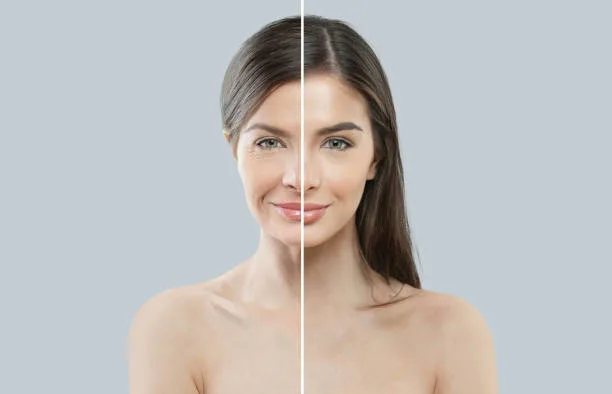
Skin ageing is a gradual process influenced by declining collagen production, reduced elastin support, environmental exposure, and changes in the skin's underlying structure. Over time, these changes can contribute to loose skin, fine lines, and reduced facial definition. Modern aesthetic technologies offer different approaches to supporting skin firmness by targeting deeper tissue layers and stimulating natural collagen remodelling.
How Does Skin Tightening Work?
Collagen is an essential structural protein responsible for maintaining skin firmness, elasticity, and resilience. As collagen production decreases with age, the skin gradually loses some of its natural support.
Energy based skin tightening technologies use controlled thermal stimulation to encourage collagen remodelling within targeted tissue layers. The treatment approach depends on the technology, treatment depth, skin condition, and individual aesthetic requirements.
Understanding Sofwave Technology
Sofwave is a non invasive ultrasound based technology designed to address skin laxity and support collagen production. It uses Synchronous Ultrasound Parallel Beam (SUPERB™) technology to deliver controlled ultrasound energy into the mid dermis.
The system targets tissue at approximately 1.5 mm beneath the skin surface, creating controlled thermal stimulation while protecting the epidermis through its integrated cooling mechanism.
This targeted energy delivery supports the body's natural wound healing response and stimulates the production of collagen and elastin. Over time, these biological processes contribute to improvements in skin firmness and the appearance of fine lines.
Key Areas Addressed Through Skin Tightening
Skin laxity can affect several facial and body regions. Treatment planning considers the anatomical structure and degree of collagen loss in each area.
- Jawline Definition: Addresses mild skin laxity around the lower face and supports a more refined facial contour.
- Neck Firmness: Targets loose skin and visible ageing changes around the neck.
- Cheek Rejuvenation: Supports collagen remodelling to improve the appearance of skin firmness.
- Brow Elevation: May help improve the appearance of mild brow laxity.
- Fine Lines: Supports gradual improvements in skin texture and firmness through collagen stimulation.
Factors That Influence Treatment Outcomes
Several factors contribute to the effectiveness of ultrasound based skin tightening. Age, baseline collagen levels, skin thickness, degree of laxity, and individual healing responses can influence the visible outcome.
A professional assessment helps determine suitable treatment parameters and identify the areas requiring attention. It also establishes realistic expectations regarding the gradual nature of collagen remodelling.
Why Is Collagen Remodelling Important?
Collagen remodelling is a natural biological process that helps maintain the structural integrity of the skin. Controlled thermal stimulation encourages fibroblast activity, supporting the formation of new collagen within the dermis.
Unlike approaches that temporarily alter the skin's surface appearance, ultrasound based technologies focus on deeper structural support. Improvements develop progressively as the body's collagen production and remodelling processes take place.
Understanding laser skin tightening also introduces readers to modern skin firming approaches, including Sofwave ultrasound technology, and the role of collagen stimulation in aesthetic rejuvenation.
Conclusion
Modern skin tightening technologies combine anatomical precision with controlled energy delivery to address age related changes in skin firmness. Understanding the science behind ultrasound technology, collagen stimulation, and individual treatment requirements provides a clearer perspective on contemporary non surgical skin rejuvenation.