
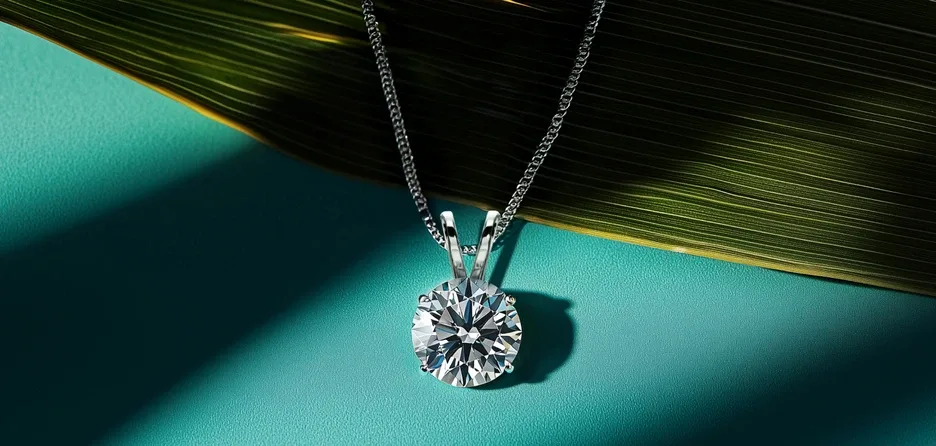
Lab-Grown Diamond Necklaces in Dubai: Quality and Certification Guide
Dubai is known worldwide for fine jewellery, luxury shopping and an extensive selection of diamonds. In recent years, lab-grown diamond necklaces have become another option for buyers who want the brilliance and durability associated with diamonds while exploring modern alternatives to mined stones.
However, choosing a necklace should involve more than simply looking at its design or carat weight. Diamond quality, certification, setting, metal choice and the reputation of the jeweller can all influence what you are buying.
This guide explains what shoppers should consider when choosing lab-grown diamond necklaces in Dubai.
What Is a Lab-Grown Diamond?
A lab-grown diamond is created in a controlled environment using technology designed to reproduce the conditions in which diamonds form.
The two main production methods are:
- Chemical Vapour Deposition (CVD)
- High Pressure High Temperature (HPHT)
Although their origin is different from mined diamonds, laboratory-grown diamonds have the fundamental physical and optical properties associated with diamond.
This distinction is important because lab-grown diamonds should not be confused with diamond simulants such as cubic zirconia or moissanite.
Buyers interested in contemporary diamond jewellery can explore collections of lab-grown diamond jewellery in Dubai at Laxmi Jewellers when comparing available designs and styles.
Why Lab-Grown Diamond Necklaces Are Attracting Buyers in Dubai
A diamond necklace can range from an understated everyday pendant to an elaborate piece containing numerous stones.
Lab-grown diamonds give jewellery designers greater flexibility to create pieces featuring larger stones or more extensive diamond coverage across a necklace.
Popular styles include solitaire diamond pendants, tennis necklaces, halo pendants, graduated diamond necklaces and contemporary geometric designs.
For buyers, the important consideration is not whether a necklace contains one diamond or dozens. The quality and appearance of the stones should complement the overall craftsmanship of the piece.
Understanding Diamond Quality
When evaluating a lab-grown diamond necklace, shoppers should consider the familiar 4Cs: cut, colour, clarity and carat weight.
Cut
Cut has a significant influence on how effectively a diamond reflects light.
Well-proportioned diamonds can display greater brightness, fire and scintillation. This becomes particularly noticeable in necklaces where several diamonds are positioned next to one another.
For a multi-stone necklace, consistency is also important. Diamonds with noticeably different cutting quality may create an uneven appearance.
Colour
Diamond colour is commonly evaluated on a scale beginning with D for colourless diamonds and continuing through increasingly noticeable levels of colour.
For necklaces containing several diamonds, closely matching their colour can sometimes be more important visually than selecting an exceptionally high colour grade for every individual stone.
The aim should be a balanced and consistent appearance across the jewellery.
Clarity
Clarity describes internal and external characteristics that may be present within a diamond.
Higher clarity grades indicate fewer or less noticeable characteristics. However, buyers do not necessarily need the highest available clarity grade for every necklace.
A diamond that appears clean to the unaided eye can provide an attractive appearance without paying solely for microscopic differences that may not be visible during everyday wear.
Carat Weight
Carat refers to diamond weight rather than simply its visible size.
With necklaces, sellers may provide the weight of an individual centre diamond or the total carat weight of all diamonds used in the piece.
Buyers should therefore check whether the advertised carat figure refers to a single diamond or combined diamond weight.
Why Certification Matters
Certification or an independent grading report provides buyers with additional information about the diamond they are considering.
Recognised gemological laboratories can examine diamonds and document characteristics such as their laboratory-grown origin, measurements and quality information.
The International Gemological Institute's laboratory-grown diamond report guidance explains how laboratory-grown diamonds can be assessed for characteristics including colour, clarity and other gemological details.
Buyers should remember that a grading report is different from an appraisal. A grading report describes characteristics of the diamond, whereas an appraisal generally concerns estimated monetary value.
Check the Grading Report
When purchasing a significant diamond necklace or pendant, ask the jeweller what documentation accompanies the piece.
Where an individual diamond has a report number, buyers may be able to verify that number through the grading laboratory.
Some diamonds also carry a microscopic laser inscription on the girdle that connects the stone with its grading documentation.
This provides another useful level of identification.
The Gemological Institute of America laboratory-grown diamond service also explains how laboratory-grown diamonds can be independently assessed and identified.
Examine the Jewellery, Not Only the Diamonds
Diamond quality is only one part of a good necklace.
The construction of the jewellery itself should also be inspected carefully.
Check the setting around each diamond and make sure the stones appear secure. Clasps should open and close smoothly, while chains and links should feel appropriate for the weight of the piece.
The precious metal should also be clearly described.
Common choices for diamond necklaces include white gold, yellow gold, rose gold and platinum.
Gold jewellery may be available in different purities, so buyers should confirm the metal specification and look for appropriate purity information or hallmarks where applicable.
Matching Diamonds in Multi-Stone Necklaces
A necklace containing numerous diamonds presents a different buying challenge from a solitaire pendant.
Even when every stone is attractive individually, poorly matched diamonds may make the finished necklace appear inconsistent.
Look for uniformity in:
- Diamond colour
- Apparent clarity
- Cutting style
- Diameter
- Brilliance
- Setting height
Well-matched diamonds help produce a continuous appearance, which is particularly important for tennis necklaces and graduated designs.
Consider How You Will Wear the Necklace
The right diamond necklace also depends on its intended use.
For daily wear, a smaller pendant or understated necklace may provide greater versatility.
For weddings, celebrations and formal occasions, buyers may prefer larger centre stones, halo designs or necklaces with diamonds extending around a larger section of the chain.
Necklace length also affects how the piece looks with different clothing and necklines.
Trying different lengths can therefore be just as important as comparing diamond specifications.
Questions to Ask Before Buying
Before purchasing a lab-grown diamond necklace in Dubai, consider asking the jeweller:
- Is the diamond clearly disclosed as laboratory-grown?
- Was it produced using CVD or HPHT technology?
- Does the main diamond have an independent grading report?
- Can the report number be verified?
- What are the diamond's colour and clarity specifications?
- Does the stated carat weight refer to one diamond or total diamond weight?
- What precious metal and purity are used?
- What warranty or after-sales service is available?
- What is the return or exchange policy?
- Can the necklace be resized, repaired or serviced later?
Clear answers to these questions can make it easier to compare jewellery from different sellers.
Choosing a Trusted Jeweller in Dubai
Certification is important, but so is the business selling the jewellery.
A reputable jeweller should clearly describe whether diamonds are natural or laboratory-grown rather than leaving their origin unclear.
Product specifications, metal information, diamond details and applicable policies should also be easy for customers to understand.
Before making a significant purchase, compare several pieces rather than focusing entirely on the advertised discount or carat size.
Quality jewellery should combine attractive diamonds with secure settings, good finishing and dependable after-sales support.
Final Thoughts
Lab-grown diamond necklaces offer Dubai shoppers a growing range of choices, from subtle solitaire pendants to elaborate multi-diamond designs.
The best purchase is not necessarily the necklace with the largest total carat weight. Cut quality, colour consistency, clarity, certification, jewellery construction and the reputation of the seller should all form part of the decision.
Independent gemological documentation can provide additional confidence by helping buyers understand exactly what type of diamond they are purchasing and how its characteristics have been assessed.
By checking certification, comparing specifications and examining the craftsmanship of the complete necklace, buyers can choose a lab-grown diamond necklace that suits both their style and expectations.