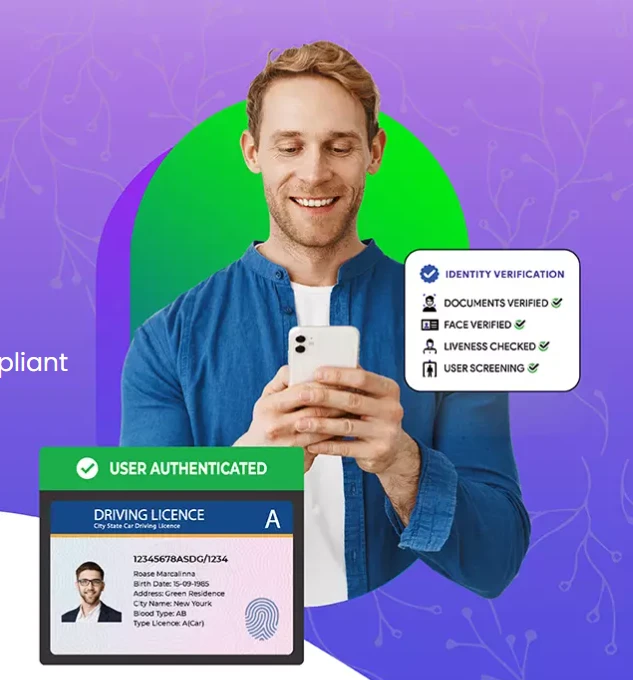
In today’s fast-paced digital world, identity fraud and financial crimes are becoming increasingly common. To combat these challenges, businesses are adopting KYC verification services as a crucial part of their onboarding process. KYC, which stands for Know Your Customer, is a regulatory requirement that helps organizations verify the identity of their clients, ensuring compliance, security, and trust.
What is KYC Verification Service?
KYC verification service is the process of authenticating a customer’s identity through official documents such as passports, ID cards, or driver’s licenses. This process helps banks, financial institutions, fintech companies, and other regulated industries confirm that their customers are legitimate individuals or businesses. By implementing KYC, organizations can prevent fraud, money laundering, and illegal activities.
Importance of KYC Verification
With increasing digital transactions and remote services, the need for secure identity verification has grown significantly. Some key benefits of using KYC verification services include:
- Fraud Prevention: Detects fake identities and reduces the risk of identity theft.
- Regulatory Compliance: Meets international standards like AML (Anti-Money Laundering) and CFT (Counter Financing of Terrorism).
- Customer Trust: Builds credibility by showing customers that their data and financial transactions are secure.
- Smooth Onboarding: Provides a seamless experience by verifying identities quickly and accurately.
How Does KYC Verification Work?
KYC verification typically involves multiple steps to ensure accuracy:
- Document Collection – Customers submit official identity documents online or offline.
- Data Extraction – Advanced OCR (Optical Character Recognition) technology extracts key details.
- Authentication – The system checks document validity, cross-references databases, and verifies authenticity.
- Biometric Verification – Some services also use face recognition or fingerprint scans for added security.
Industries Using KYC Verification
While KYC is essential in the banking and financial sector, its applications have expanded to other industries as well:
- Fintech & Payments – To verify user accounts and prevent fraud.
- Cryptocurrency Exchanges – To comply with AML regulations and ensure safe trading.
- E-commerce & Online Services – To validate customer identities and prevent chargebacks.
- Telecommunications – To authenticate SIM card registrations.
Conclusion
The adoption of KYC verification services is no longer optional; it is a necessity for businesses aiming to maintain compliance and safeguard customer trust. By integrating advanced KYC solutions, companies can minimize risks, stay compliant with global regulations, and provide a seamless customer experience.
In a world where digital security is paramount, KYC verification ensures that businesses not only protect themselves but also create a safer environment for their customers.