
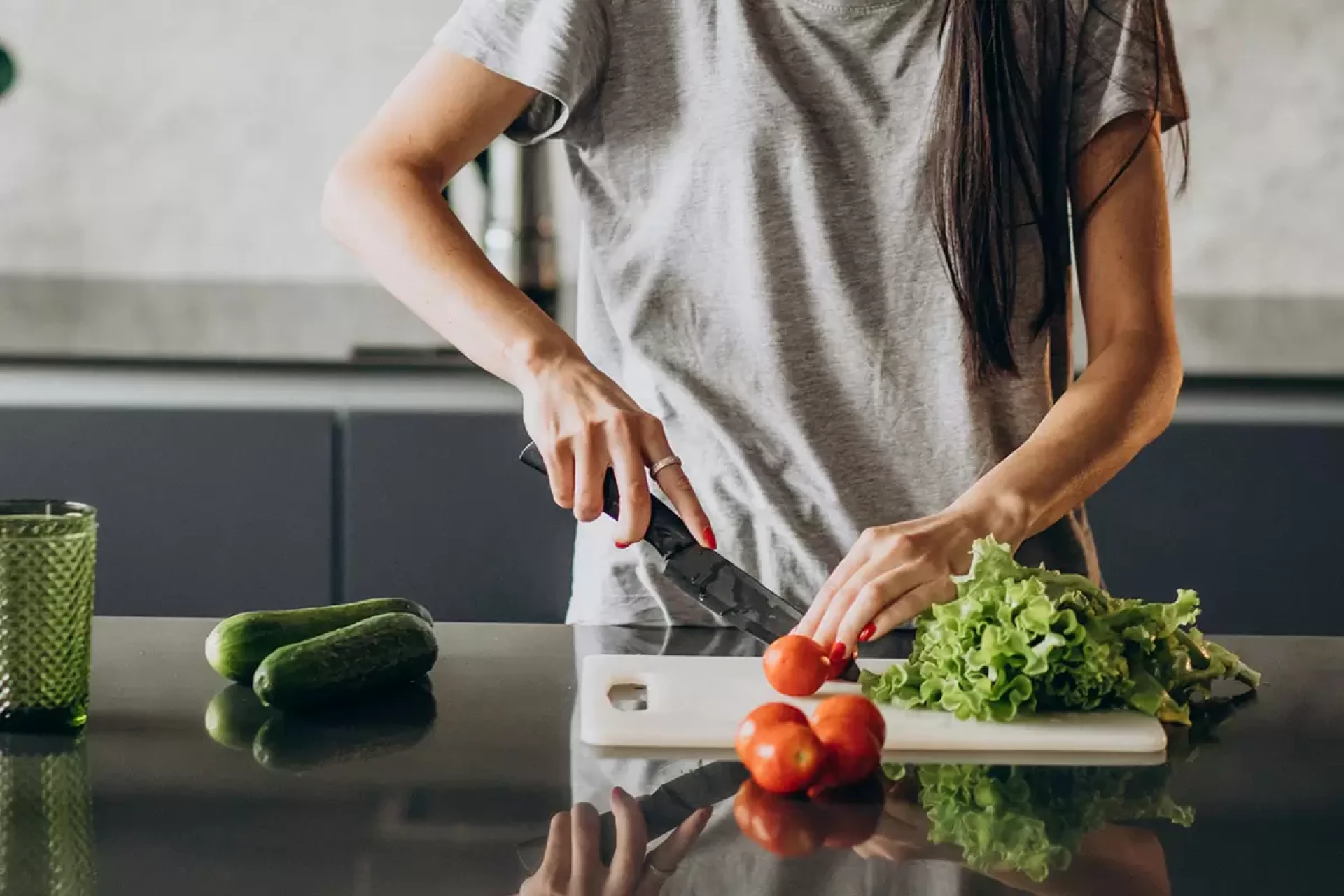
The kitchen transforms from chaos to symphony the moment steel meets cutting board with intention. Every great chef understands that knife mastery isn't just about speed or showmanship it's about developing an intimate relationship with your blade that transcends the mechanical act of cutting. This relationship becomes the foundation upon which all culinary excellence is built, turning raw ingredients into masterpieces through nothing more than precise, deliberate movements.
Blade and Board
Professional kitchens operate on a rhythm that civilians rarely witness. Each cut creates a percussion that builds into the complex symphony of service. The knife becomes an extension of the chef's hand, moving with fluid precision that appears effortless yet requires years to master. This isn't about memorizing techniques from cookbooks—it's about understanding how steel interacts with cellular structures, how blade angles affect flavor release, and how the weight of your knife can determine the success of your entire dish.
The cutting board beneath your blade serves as more than just a surface; it becomes your canvas. Wood grain direction affects knife preservation, while the board's height influences your posture and ultimately your precision. Professional chefs develop preferences for specific board materials not from superstition, but from understanding how different surfaces respond to their blade's edge and how this interaction affects their cutting rhythm.
Where Anatomy Meets Artistry
Your fingers become instruments of precision, creating tunnels and bridges that guide the blade while protecting flesh from steel. The claw grip isn't just a safety measure—it's a positioning system that allows for consistent, uniform cuts that cook evenly and present beautifully. The relationship between your knuckles and the blade's flat surface creates a natural fence that maintains perfect spacing without conscious measurement.
Hand positioning extends beyond just the gripping hand. Your non-cutting hand controls ingredient movement, applies pressure for stability, and even influences the blade's path through subtle positioning adjustments. Professional chefs develop ambidextrous awareness, where both hands work in perfect coordination, creating a cutting motion that appears almost mechanical in its consistency yet remains deeply personal in its execution.
The wrist becomes the pivot point for all cutting motions, eliminating the need for excessive arm movement that leads to fatigue and inconsistency. This economical movement pattern allows for extended periods of precise cutting without strain, transforming marathon prep sessions from endurance challenges into meditative practices.
Blade Geometry and Its Hidden Language
Every knife speaks through its geometry. The spine thickness, edge angle, and blade profile communicate intended uses that extend far beyond basic categorization. A gyuto's curved belly allows for efficient rocking motions, while a nakiri's straight edge excels at push cuts through dense vegetables. Understanding these geometric languages allows you to select the perfect tool for each task, maximizing efficiency while minimizing ingredient damage.
The relationship between blade hardness and edge retention creates a delicate balance that affects daily kitchen operations. Harder steels hold sharper edges longer but require more skill to maintain, while softer steels forgive mistakes but demand frequent attention. This balance influences not just performance but also the cutting techniques that work best with each blade type.
Edge geometry extends beyond the obvious—the transition from heel to tip creates different cutting zones along the blade's length. Professional chefs intuitively use the heel for heavy-duty work, the middle section for general cutting, and the tip for delicate precision work. This zonal awareness transforms a single knife into multiple specialized tools.
Rhythm and Repetition as Muscle Memory
Muscle memory develops through deliberate practice that focuses on consistency rather than speed. Each cutting motion follows a specific pattern that becomes increasingly automatic through repetition. The blade's path, the pressure applied, and the timing of each movement eventually synchronize into a personal cutting rhythm that feels as natural as walking.
This rhythm isn't just about efficiency—it's about developing the kinesthetic awareness that allows for consistent results regardless of external conditions. Professional chefs can maintain their cutting precision whether working in familiar home kitchens or chaotic restaurant environments because their muscle memory provides stability in any situation.
The development of cutting rhythm also creates a meditative quality that transforms prep work from tedious chore into focused practice. This mental state allows for greater awareness of ingredient changes, blade performance, and cutting board condition, leading to better overall results and increased kitchen safety.
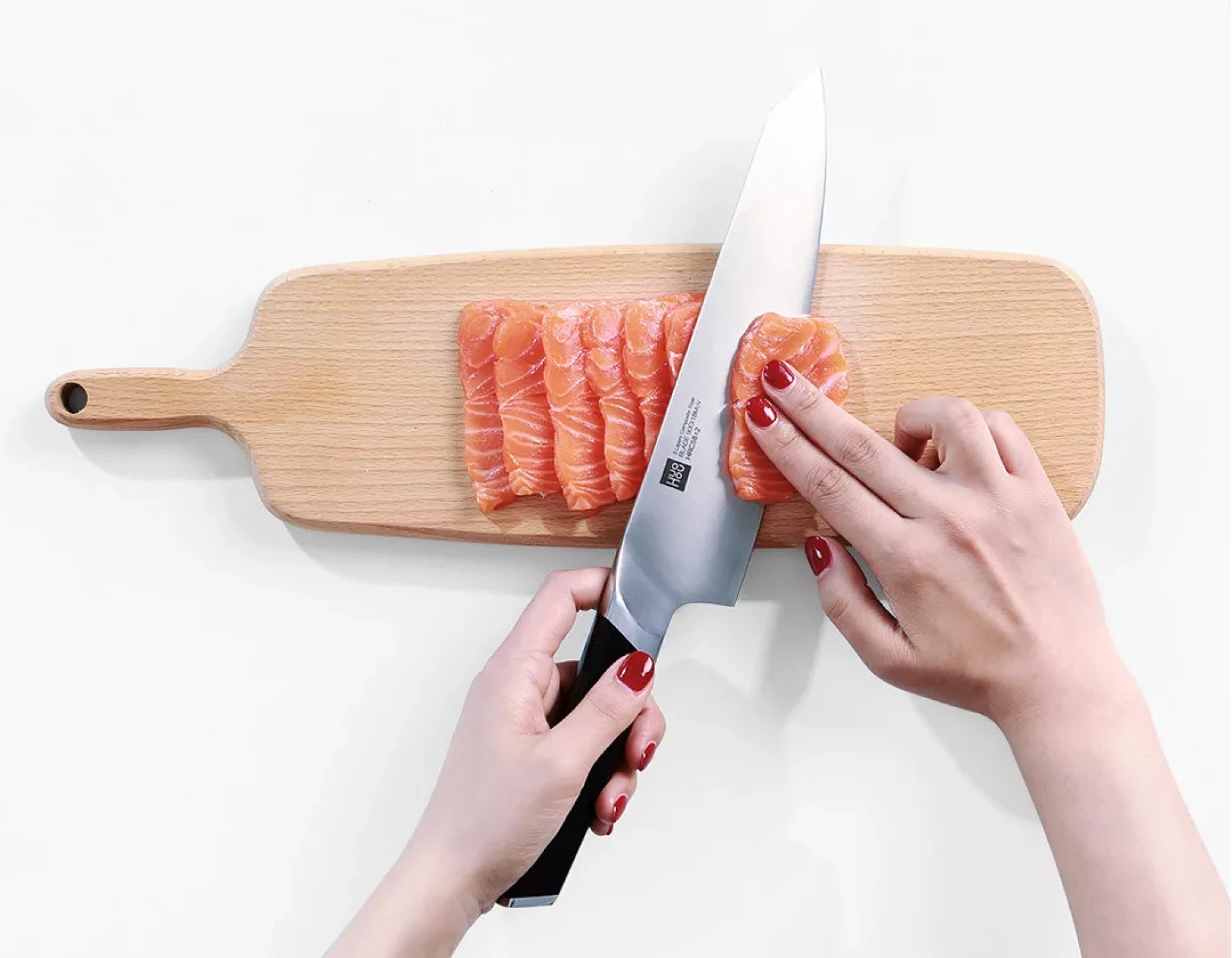
Mastering Heat Through Cold Steel
The best italian food san diego establishments understand that knife skills directly impact flavor development in ways that extend far beyond simple ingredient preparation. The cellular damage caused by dull blades or improper cutting techniques can significantly alter cooking results, affecting everything from moisture retention to flavor concentration.
Proper knife cuts create consistent piece sizes that ensure even cooking, preventing some portions from overcooking while others remain underdone. This consistency becomes particularly crucial when building complex dishes where multiple ingredients must finish cooking simultaneously. The precision achieved through proper knife skills eliminates the guesswork from timing, allowing for predictable results that can be replicated consistently.
The angle and pressure of your cuts also influence ingredient texture after cooking. Cutting against the grain breaks down tough fibers, while following the grain preserves structure. Understanding these relationships allows you to manipulate final dish textures through strategic cutting decisions made during prep.
Beyond Basic Cuts Into Culinary Architecture
Advanced knife skills transcend basic dice and julienne cuts, entering the realm of culinary architecture where ingredient preparation becomes an art form. Brunoise cuts create tiny, uniform cubes that dissolve into sauces, while chiffonade creates delicate ribbons that provide texture contrast. Each technique serves specific culinary purposes that go far beyond visual appeal.
The ability to create these precise cuts consistently allows for advanced cooking techniques that depend on uniform ingredient sizes. Confit preparations require precise cuts to ensure even oil penetration, while pickling demands consistency for proper acid distribution. These advanced applications demonstrate how knife skills serve as the foundation for sophisticated cooking techniques.
Knife skills also enable creative presentation techniques that transform simple ingredients into visually stunning components. The ability to create paper-thin vegetables, perfect brunoise, or intricate garnish work elevates home cooking to professional standards, proving that exceptional knife skills can compensate for equipment limitations in most cooking situations.
The Maintenance Ritual
Knife maintenance extends far beyond occasional sharpening, becoming a daily ritual that preserves your blade's performance and your cutting precision. Proper cleaning techniques prevent corrosion and edge damage, while appropriate storage protects the blade geometry that took time to develop through proper use.
Understanding the difference between honing and sharpening allows for appropriate maintenance timing. Honing realigns the edge between sharpenings, maintaining performance without removing steel, while sharpening rebuilds the edge geometry when honing no longer provides adequate results. This knowledge prevents over-sharpening that can reduce blade life while ensuring consistent performance.
The maintenance ritual also includes cutting board care, as damaged boards can quickly dull even the finest blades. Understanding how different cutting surfaces interact with various blade types allows for strategic equipment choices that maximize both board and blade longevity.
Conclusion
Knife skills represent the intersection of craftsmanship, science, and artistry in the culinary world. These techniques transform cooking from mere sustenance preparation into a practice that engages mind, body, and spirit. The precision developed through proper knife skills creates a foundation that supports every other cooking technique, making it possible to achieve professional results regardless of kitchen equipment or ingredient quality.
The journey from novice to master requires patience, practice, and understanding that extends far beyond memorizing cutting techniques. True knife mastery emerges from developing the sensitivity to feel when your blade needs attention, the awareness to adjust your technique based on ingredient conditions, and the confidence to trust your hands when precision matters most.
Every meal becomes an opportunity to practice these skills, transforming daily cooking from routine chore into continuous learning experience. The investment in proper knife skills pays dividends throughout your culinary journey, providing the technical foundation that allows creativity to flourish and ensuring that your cooking continues to improve with every dish you prepare.